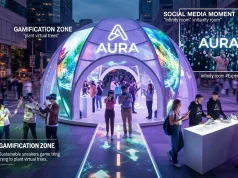
Event Influencer Promotion uses influencers and creators to increase event awareness, attract relevant audiences, encourage registrations, and strengthen engagement. Through Event Influencer Marketing, influencer partnerships, social media promotion, campaign content, and audience-focused messaging, event organizers can create more engaging promotional experiences before, during, and after an event.
Event Influencer Promotion has become an important part of modern event marketing because influencers can connect events with highly engaged communities through authentic and relatable content. Whether the goal is to increase registrations, build awareness, attract attendees, or maintain interest after an event, influencers can help extend the reach of an event beyond traditional promotional channels.
Events often depend on visibility before they take place. Potential attendees need to discover the event, understand its value, and develop enough interest to register or participate. Influencers can introduce an event to audiences that may already trust their recommendations, creating another communication channel between the event brand and potential attendees.
The value of influencer promotion goes beyond simply publishing a sponsored post. Effective campaigns connect the influencer’s content style, audience interests, event identity, and promotional objectives. When these elements work together, influencer marketing can become part of a broader event marketing strategy rather than an isolated promotional activity.
What Is Event Influencer Promotion?
Event Influencer Promotion is the use of influencers, content creators, and online personalities to promote an event to their established audiences. Influencers can create posts, videos, stories, live content, reviews, interviews, or other promotional material that introduces an event and encourages people to learn more or participate.
The approach can work for many types of events, including conferences, exhibitions, festivals, webinars, product launches, workshops, networking events, trade shows, entertainment experiences, and community gatherings.
The main advantage is the connection between the influencer and their audience. Instead of an event organization communicating only through its own channels, influencer promotion allows the event to appear within communities that already follow and engage with the creator.
The content can also make an event feel more tangible. A creator may explain why they are attending, show the venue, introduce speakers, discuss expected experiences, or share highlights from previous editions.
Event Influencer Marketing and Audience Reach
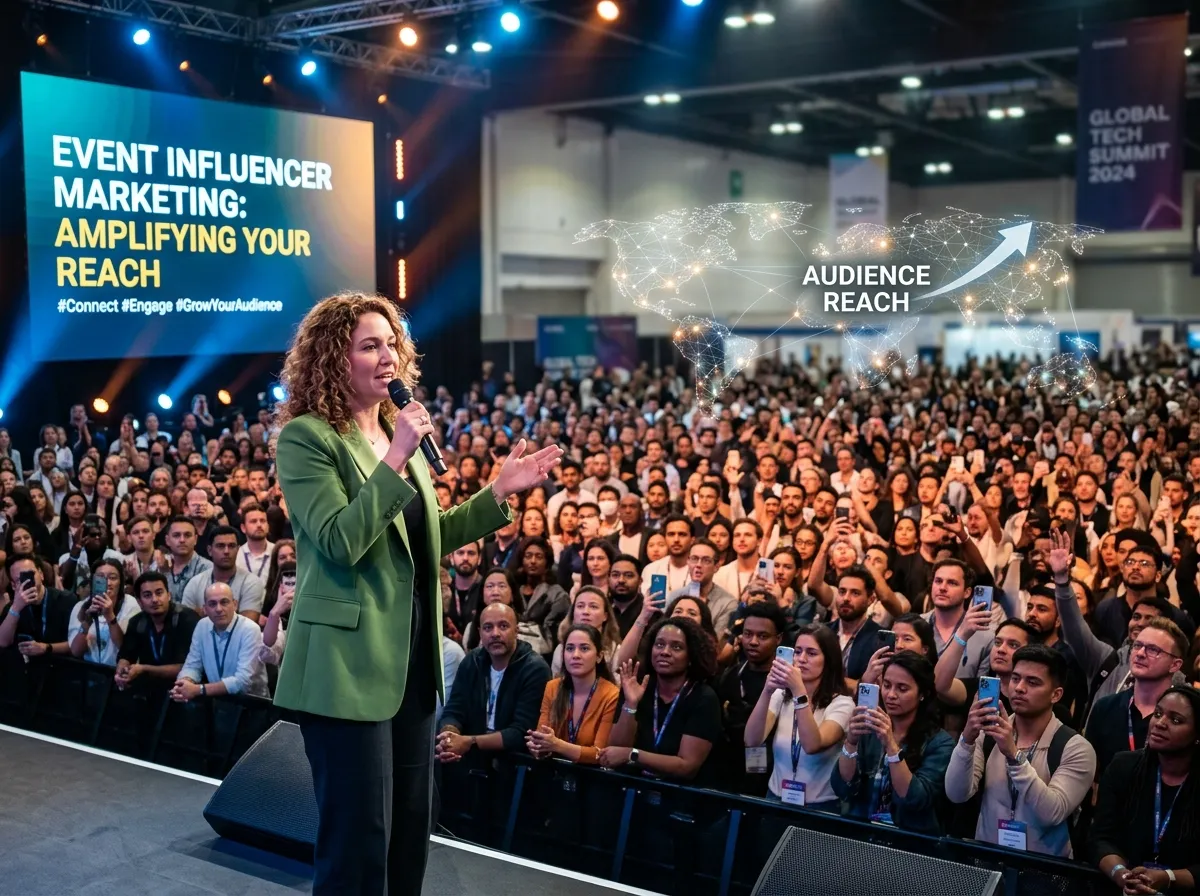
Event Influencer Marketing combines influencer relationships with the broader objectives of event promotion. Influencers can help an event reach specific audience segments based on interests, location, profession, age group, or online behavior.
Audience relevance is particularly important. A large following does not automatically mean an influencer is appropriate for an event. A creator with a smaller but highly relevant audience may generate meaningful attention because their followers have a genuine interest in the event’s subject.
For example, a technology conference may benefit from creators who regularly discuss technology, entrepreneurship, software, or business innovation. A fashion event may work with creators whose audiences actively follow fashion, lifestyle, and design content.
This makes influencer selection closely connected to the event’s audience profile.
Influencer Event Promotion
Influencer Event Promotion can support different stages of the event lifecycle. Before the event, influencers can create awareness and encourage registrations. During the event, they can share real-time experiences and increase social visibility. Afterward, they can extend the lifespan of event content through recaps, interviews, reviews, and highlights.
Pre-event promotion can introduce the event’s theme, speakers, activities, location, or unique experiences. This type of content can help potential attendees understand what they can expect.
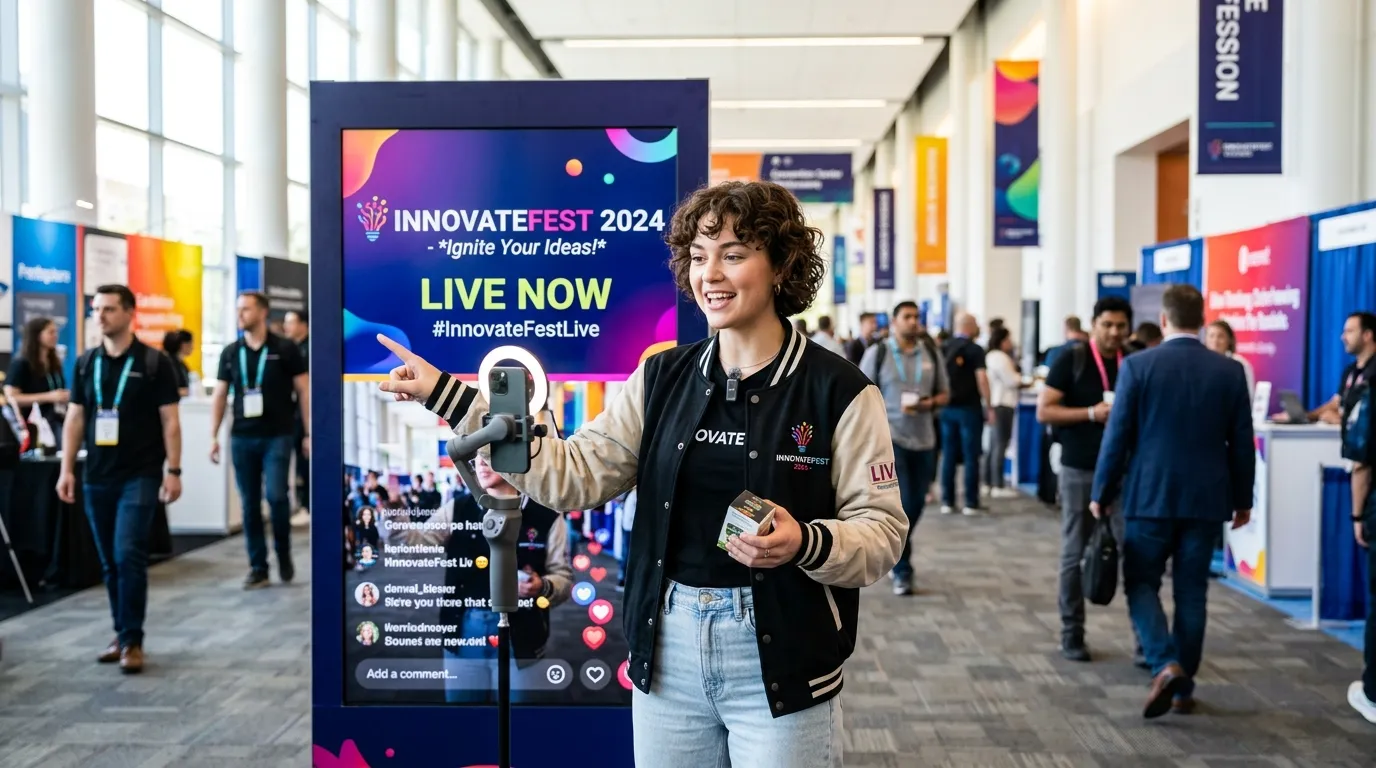
During the event, influencer content can create a sense of participation for people who are not physically present. Photos, short videos, live updates, interviews, and behind-the-scenes material can show the event from a participant’s perspective.
Post-event content can continue the conversation. Recap videos, key takeaways, speaker discussions, and personal experiences can keep the event visible after the main program has ended.
Creating an Event Influencer Strategy
An Event Influencer Strategy provides the broader direction for using creators within an event marketing campaign. It connects influencer activity with the event’s audience, positioning, content, timing, and business objectives.
A strong strategy begins with understanding what the event wants to achieve. Awareness, registrations, ticket sales, attendance, social engagement, brand visibility, and post-event reach may require different approaches.
The event’s identity should also influence the type of creator selected. An event positioned as professional and industry-focused may require a different content style from an entertainment event aimed at lifestyle audiences.
The relationship between the event and influencer should feel natural. When the creator has a genuine connection to the event topic, their content is more likely to fit their normal communication style.
Influencer activity can also be coordinated with the event’s other marketing channels. This creates a consistent message across social media, email, search, advertising, websites, and other promotional touchpoints.
Influencer Marketing for Events
Influencer Marketing for Events can help transform event promotion from a one-directional announcement into a broader conversation. Instead of simply telling people that an event exists, influencers can discuss why it may be relevant to their audiences.
This difference can affect how audiences perceive promotional content. An official event announcement provides essential information, while creator content can add personal context.
For example, an influencer attending a business conference might explain which sessions they are most interested in, introduce other attendees, or discuss the topics they expect to learn about. This creates additional reasons for their audience to pay attention.
Influencers can also help answer common questions through their content. Their posts may demonstrate the event experience in ways that traditional advertisements cannot easily communicate.
A well-integrated campaign can therefore combine official event information with creator perspectives.
Event Brand Promotion Through Influencers
Event Brand Promotion involves building recognition and associations around the event itself. While immediate registrations may be an important goal, long-term brand awareness can also create value for recurring events.
Influencer content can help establish an event’s identity by repeatedly presenting its themes, experiences, speakers, community, or unique characteristics.
Over time, audiences may begin to associate particular topics or experiences with the event brand. This can be especially useful for annual conferences, recurring festivals, industry exhibitions, and established event series.
Consistency matters here. Influencer content should complement the event’s visual identity and messaging without making every creator’s content look identical. The goal is to maintain recognizable event branding while allowing creators to communicate naturally.
Social Media Event Promotion
Social Media Event Promotion provides the environment where much influencer activity takes place. Platforms such as Instagram, YouTube, TikTok, LinkedIn, Facebook, and other social networks allow event-related content to reach audiences before, during, and after an event.
Different platforms can serve different purposes. Short-form video may be effective for creating excitement and showing event experiences, while professional networks may be more suitable for conferences and business-focused events.
The content format should match both the platform and the influencer’s normal style. An influencer who regularly produces video content may be more effective through video than through a static promotional post.
Social media can also encourage audience participation. Questions, polls, comments, event hashtags, live discussions, and user-generated content can turn promotion into an interactive experience.
Broader Digital Marketing for Events can complement influencer activity by connecting social campaigns with search, email, websites, advertising, and other event marketing channels.
Influencer Event Campaigns
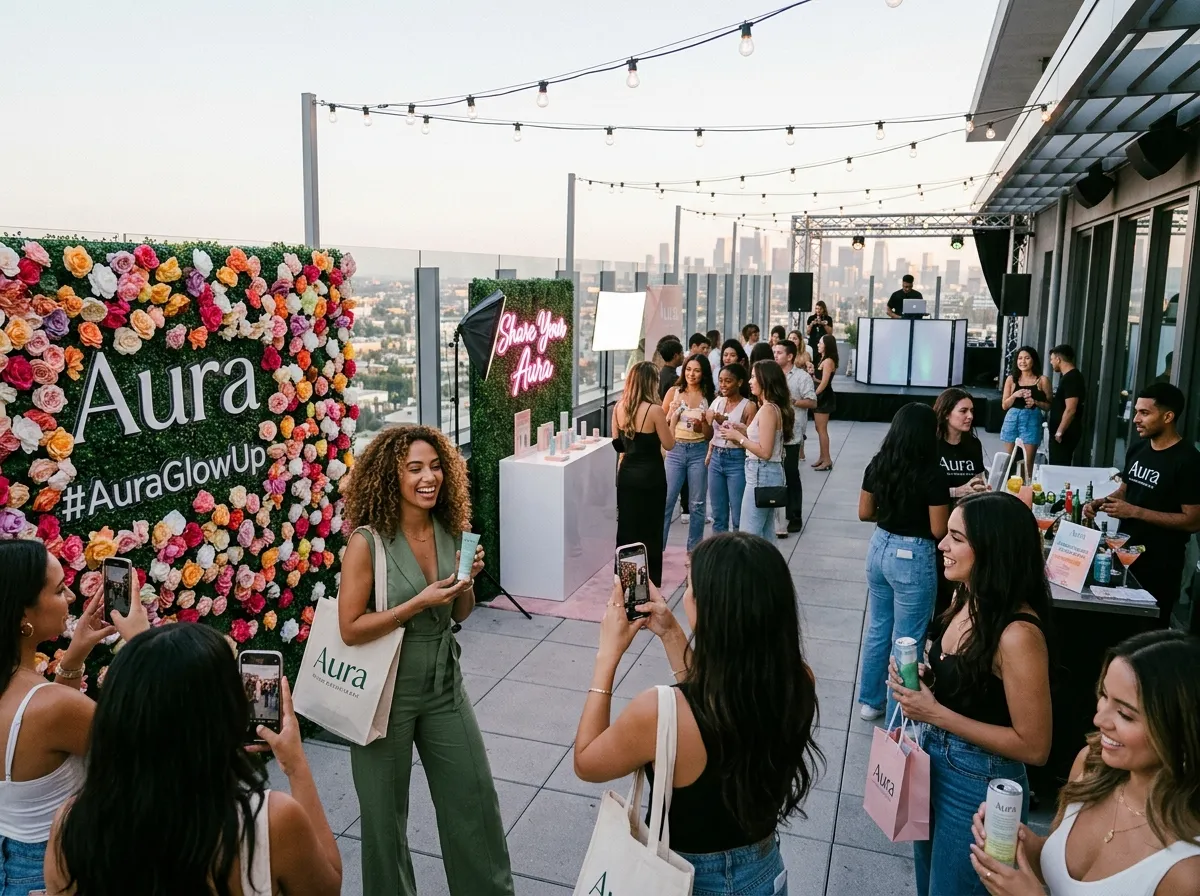
Influencer Event Campaigns can be structured around different stages and content themes. A campaign might begin with awareness content, move into registration-focused communication, continue through live event coverage, and conclude with post-event storytelling.
Pre-event content can introduce the event and create curiosity. As the event approaches, creators can highlight specific sessions, speakers, activities, or reasons to attend.
During the event, creators can provide real-time content that captures the atmosphere. This can include interviews, behind-the-scenes footage, attendee reactions, demonstrations, and event highlights.
After the event, creators can publish reflections, summaries, key lessons, and memorable moments. This extends the useful life of the campaign and provides content that can continue attracting attention.
The strongest campaigns maintain a consistent narrative while giving each creator enough freedom to communicate in their own voice.
Event Audience Engagement
Event Audience Engagement is one of the most important benefits of influencer promotion. Events are inherently social experiences, and influencer content can encourage potential attendees to participate in conversations before they arrive.
Influencers can ask questions, discuss event topics, encourage followers to share their expectations, or invite audiences to participate in event-related discussions.
During the event, engagement can become even more immediate. Followers can respond to live content, ask questions, react to interviews, and share their own experiences.
Event organizers can also encourage attendees to create their own content. When attendees post photographs, videos, comments, or experiences, the event can gain additional organic visibility.
Influencer campaigns therefore have the potential to create a wider content ecosystem around the event instead of relying exclusively on content produced by the official event team.
Event Influencer Partnerships
Event Influencer Partnerships work best when both sides understand the value of the relationship. Influencers provide access to relevant audiences and creative communication, while event organizers provide experiences, information, access, or other resources that help creators produce meaningful content.
Partnerships can take different forms. An influencer may attend an event as a guest, participate in a panel, interview speakers, create sponsored content, host a session, or provide event coverage.
Longer-term partnerships can be useful for recurring events because the creator can become familiar with the event brand and its audience over time. This can create greater consistency than working with a new influencer for every event.
Transparency is also important. Sponsored relationships and other commercial arrangements should be communicated according to applicable advertising and platform requirements.
Creating Better Influencer Content for Events
Influencer content should provide something useful or interesting to the audience. Simply repeating the event’s official announcement may not make the content particularly engaging.
Creators can add value by sharing their personal perspective, explaining complex topics, showing what the event experience is like, or highlighting elements that may interest their followers.
Storytelling can also make event promotion more memorable. A creator might describe what they expect to learn, document their experience from arrival through departure, or interview speakers about topics that matter to the audience.
The quality of the creator’s content also matters. Strong visuals, clear audio, useful information, and natural communication can make promotional content more engaging.
Businesses looking to improve creator-led event content can also connect influencer activity with an Influencer Content Creation Strategy that focuses on producing relevant and audience-centered material.
Mobile Experiences and Influencer Promotion
Mobile devices play a major role in how audiences discover and interact with event content. Attendees often use smartphones to check schedules, share experiences, communicate with other participants, and interact with event-related social content.
Influencer promotion can therefore work particularly well when event content is designed for mobile consumption. Short videos, stories, live updates, quick interviews, and visual highlights can provide immediate information.
Mobile communication can also support event reminders and engagement. Event organizers can connect influencer campaigns with broader Event Mobile Marketing efforts to maintain communication with attendees through mobile channels.
This creates a more connected experience in which social content, event information, registration, and attendee communication can work together.
Event-Based Content and Influencer Promotion
Influencer promotion can become part of a larger event-based content marketing ecosystem. Instead of creating content only to advertise the event, organizers can use the event as a source of valuable information and stories.
Speakers can discuss industry topics, influencers can interview participants, attendees can share experiences, and organizers can publish summaries or educational resources.
This content can remain useful after the event. A conference presentation can become a video, article, social post, or interview. An influencer discussion can become a long-form resource. A collection of attendee experiences can become a recap.
This approach increases the amount of useful content created around an event while reducing dependence on promotional announcements alone.
Measuring Event Influencer Promotion
The effectiveness of Event Influencer Promotion can be measured through a combination of visibility, engagement, traffic, and conversion-related metrics.
Reach and impressions can indicate how widely campaign content was distributed. Engagement metrics such as comments, shares, saves, and video interactions can provide insight into audience response.
Traffic and registration data can help connect influencer activity with measurable event actions. Unique tracking links, promotional codes, landing pages, or campaign-specific URLs can make attribution easier.
Event organizers can also examine the quality of the audience reached. A campaign that attracts highly relevant potential attendees may be more useful than one that produces large amounts of general exposure without meaningful event interest.
Post-event measurement can include content engagement, audience growth, mentions, attendee-generated content, and continued traffic to event resources.
The Role of Authenticity in Event Influencer Promotion
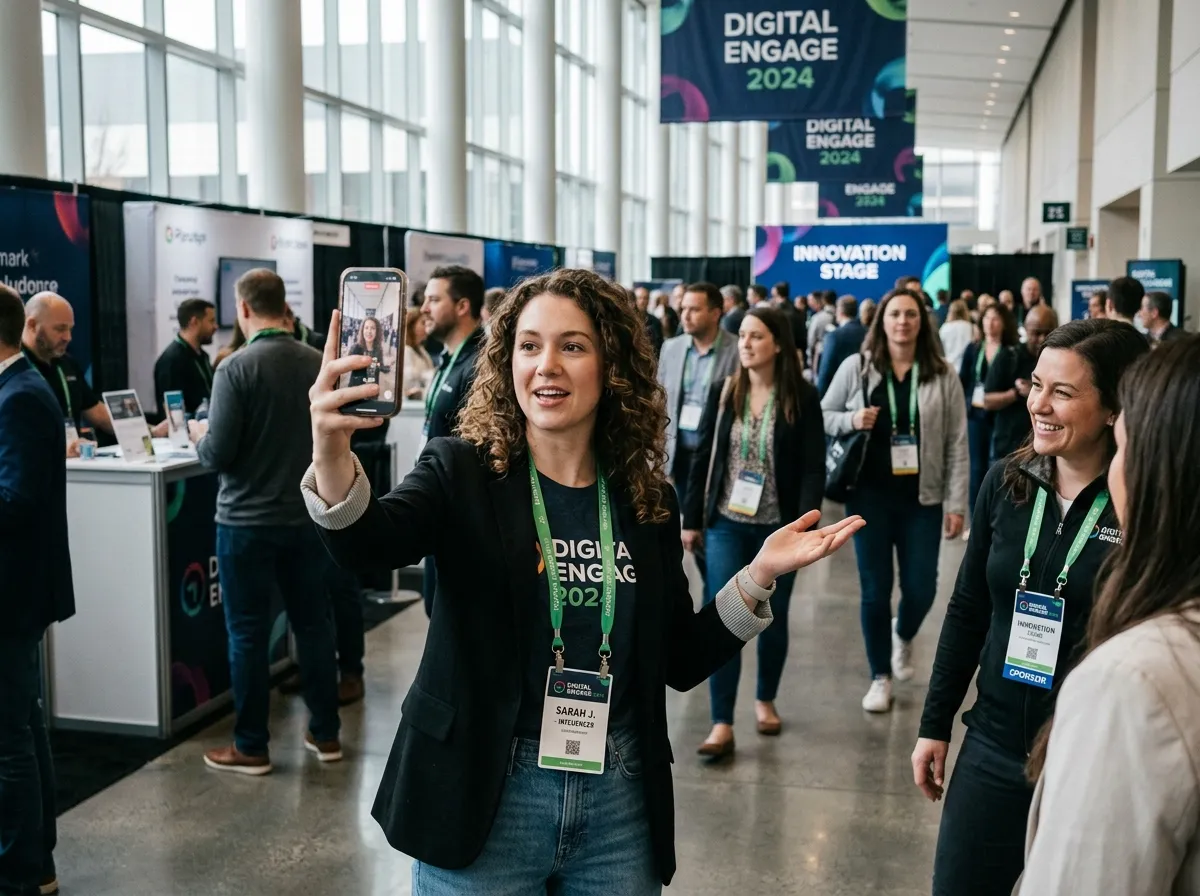
Authenticity is an important consideration in influencer campaigns because audiences are familiar with promotional content. A creator who suddenly promotes an event that has no connection to their usual interests may appear less credible to followers.
This does not mean every partnership needs to be informal. Professional sponsored content can still feel authentic when the collaboration makes sense for the creator and audience.
Giving influencers enough creative freedom can help preserve their natural communication style. At the same time, event organizers should provide accurate information and clear campaign requirements.
The balance between brand consistency and creator authenticity can make influencer promotion more effective as part of the wider event communication strategy.
Conclusion
Event Influencer Promotion can help event organizers expand awareness, reach relevant audiences, create engaging content, and maintain conversations before, during, and after an event. Through Event Influencer Marketing, Influencer Event Promotion, Influencer Marketing for Events, and strategic partnerships, creators can become an important extension of an event’s marketing presence.
The strongest campaigns are connected to the event’s broader objectives rather than treating influencer content as a standalone promotional activity. When creators have a genuine connection to the event and can communicate naturally with their audiences, their content can provide valuable perspectives that official event channels may not offer.
By combining influencer partnerships with social media, mobile marketing, event-based content, audience engagement, and measurable promotional campaigns, event organizers can create a more connected marketing experience that continues beyond the event itself.
Frequently Asked Questions
1. What is Event Influencer Promotion?
Event Influencer Promotion is the use of influencers and content creators to promote an event through their established audiences. Creators can publish videos, posts, interviews, stories, reviews, and other content designed to increase awareness and encourage event participation.
2. How does influencer marketing help events?
Influencer marketing can help events reach relevant audiences through creators who already have established communities. Influencers can also provide personal perspectives that make event information more relatable and engaging.
3. What is an Event Influencer Strategy?
An Event Influencer Strategy is a structured approach to integrating influencers into an event’s marketing activities. It connects creator selection, content, timing, audience targeting, and campaign objectives with the broader event promotion plan.
4. What types of influencers are suitable for event promotion?
Suitable influencers depend on the event’s audience and subject. Industry experts, niche creators, local influencers, lifestyle creators, professional personalities, and other relevant content producers may be appropriate depending on the event’s objectives.
5. Can influencers promote an event before it starts?
Yes. Influencers can promote events before they begin by discussing the event, introducing speakers, sharing expected experiences, highlighting activities, answering audience questions, and encouraging registrations.
6. How can influencers promote events during the event?
Influencers can create live or near-real-time content such as interviews, behind-the-scenes videos, attendee reactions, photographs, stories, session highlights, and other event experiences.
7. What is Event Audience Engagement?
Event Audience Engagement refers to interactions between an event and its potential or actual attendees. Influencers can encourage engagement through conversations, questions, live content, polls, discussions, and audience-generated content.
8. How can event organizers measure influencer campaigns?
Campaigns can be measured through reach, impressions, engagement, website traffic, registrations, conversions, referral links, promotional codes, social mentions, and attendee-generated content. The most relevant metrics depend on the campaign’s objectives.
9. Should influencers have creative freedom when promoting events?
Influencers can often create more natural content when they have some creative freedom. Event organizers can provide accurate information, campaign requirements, and brand standards while allowing creators to communicate in a style that fits their audience.
10. Can influencer promotion continue after an event?
Yes. Influencers can publish event recaps, interviews, key takeaways, reviews, photographs, videos, and other post-event content. This can extend the event’s visibility and provide useful content for audiences who could not attend.