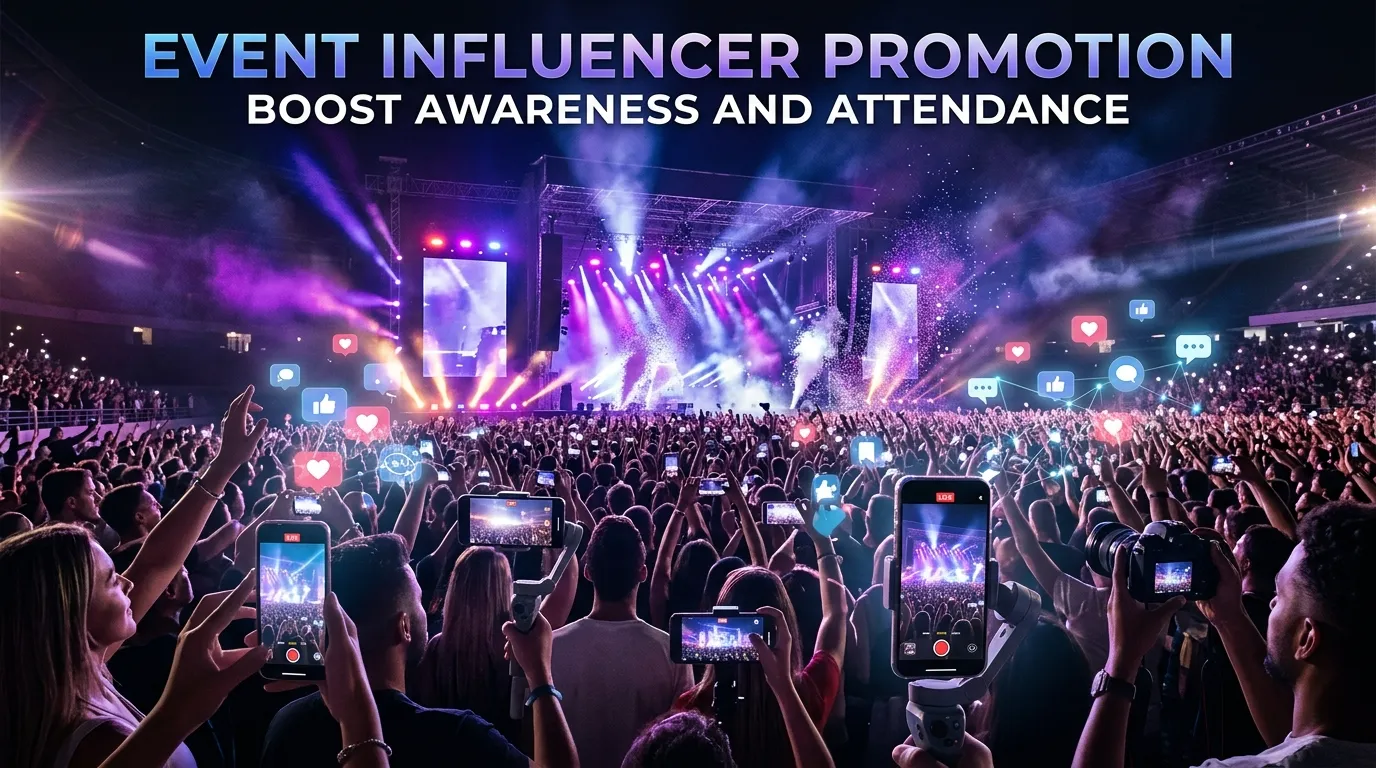
Event Influencer Promotion helps event organizers increase awareness, connect with relevant audiences, and encourage registrations through trusted content creators. By developing suitable influencer partnerships, coordinating social media content, and tracking campaign performance, businesses can improve event discoverability and attendance. Authentic messaging, clear agreements, and a smooth registration experience are essential for turning audience interest into meaningful participation.
Event Influencer Promotion helps businesses, event organizers, and brands connect with relevant audiences through trusted content creators who can generate interest, encourage participation, and improve event visibility. By collaborating with influencers whose audiences match an event’s target attendees, organizers can communicate event value in a more personal and engaging way than traditional advertising alone. Whether promoting a business conference, product launch, music festival, networking session, or industry exhibition, influencer partnerships can help events reach new communities and attract people who are genuinely interested in attending.
As audiences increasingly discover events through social media, recommendations from familiar creators can influence how they evaluate upcoming experiences. Influencers can introduce an event, explain its benefits, share behind-the-scenes content, and encourage followers to register or purchase tickets. When these collaborations are aligned with the event’s goals, audience expectations, and brand identity, they can strengthen awareness while creating a more engaging promotional experience.
Understanding Event Influencer Promotion
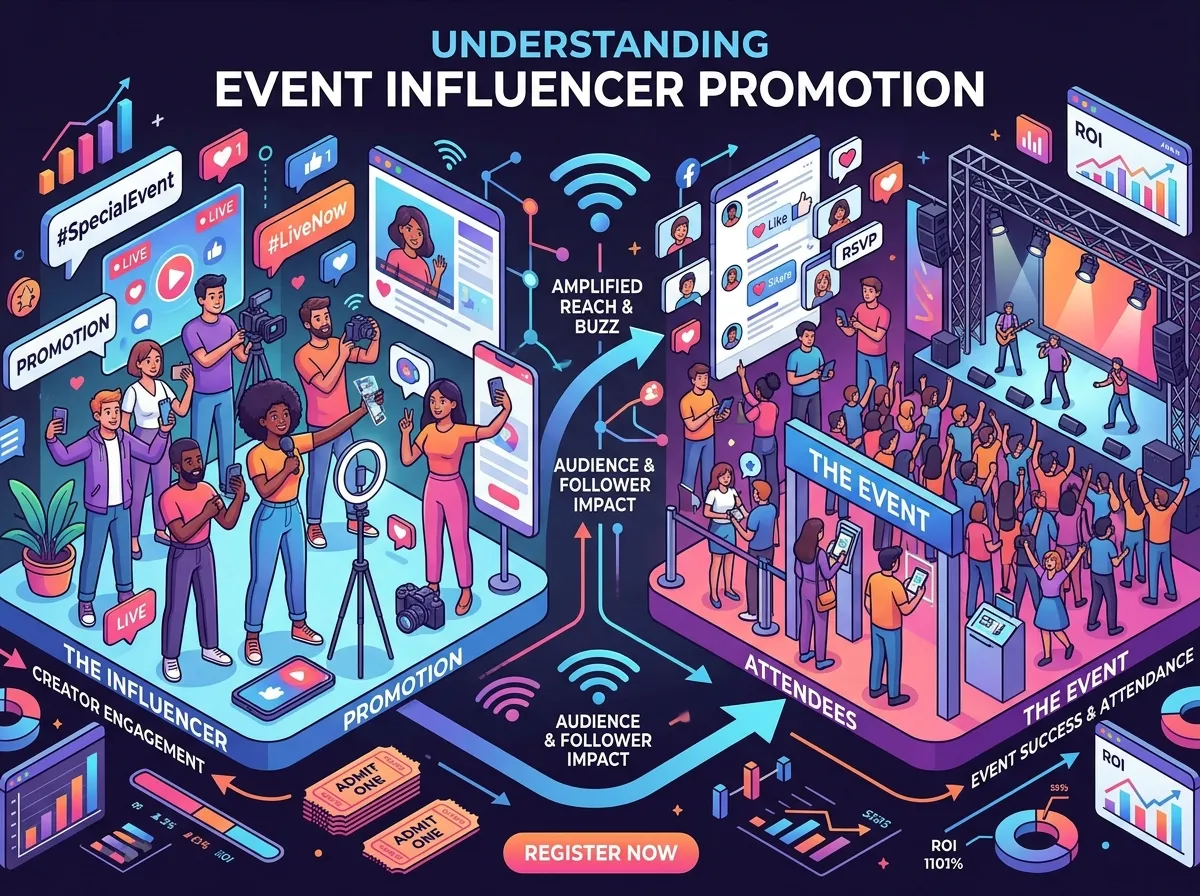
Event Influencer Promotion involves working with social media creators, industry experts, content publishers, and community personalities to increase awareness of an upcoming or ongoing event. These individuals use their platforms to introduce the event to their followers through posts, short videos, stories, livestreams, interviews, and other relevant content formats. Their recommendations can help organizers reach audiences who may not discover the event through search engines, email campaigns, or paid advertisements.
The value of influencer promotion extends beyond simply mentioning an event online. A suitable creator can explain why the event matters, highlight its most appealing features, and demonstrate how attending may benefit their audience. For example, a technology influencer might promote an industry conference by discussing its expert speakers and networking opportunities, while a lifestyle creator could showcase the atmosphere and experiences available at a cultural festival. This context makes the promotional message more meaningful to potential attendees.
Successful promotion depends on choosing influencers whose content, audience interests, communication style, and reputation align with the event. A large following does not automatically guarantee strong results. Creators with smaller but highly engaged communities may generate more relevant conversations and attract attendees who are genuinely interested in the experience.
Why Influencer Marketing Matters for Events
Event organizers compete for audience attention across social media, search platforms, email, and other digital channels. Influencer marketing for events offers another way to communicate with potential attendees through creators they already follow and trust. Instead of relying entirely on promotional messages from the event organizer, brands can introduce the event through voices that have established relationships with specific communities.
This approach can be particularly valuable when an event appeals to a defined audience. A business conference may benefit from partnerships with industry professionals, while a fitness event could attract participants through trainers, wellness creators, and sports personalities. The closer the relationship between an influencer’s audience and the event’s subject, the more relevant the promotional message is likely to feel.
Influencer promotion can also help events build anticipation before registration closes. Creators can reveal speakers, highlight special activities, share preparation updates, or explain what attendees can expect. These interactions give potential participants several reasons to learn more about the event rather than encountering a single advertisement and immediately moving on.
Another advantage is the opportunity to develop reusable promotional content. With clear permissions and agreements, event organizers may be able to repurpose selected influencer-created videos, photographs, and testimonials across their websites, social channels, or advertising campaigns. This can extend the value of a collaboration beyond its original publication.
Developing Strong Event Influencer Partnerships
Effective event influencer partnerships begin with a clear understanding of the event’s audience and objectives. Before approaching creators, organizers should identify the people they want to reach, the message they want to communicate, and the action they want audiences to take. These actions may include registering for an event, purchasing tickets, visiting an event website, following an official social account, or sharing information with interested peers.
Once these objectives are established, organizers can identify creators who consistently produce relevant content and attract audiences that match the intended attendee profile. Reviewing their previous partnerships, engagement quality, communication style, and audience interactions can reveal whether their promotional approach is appropriate for the event.
The partnership itself should offer value to both parties. Influencers may appreciate early access, exclusive interviews, opportunities to meet speakers, complimentary attendance, or compensation for their work. The most suitable arrangement depends on the event, the creator’s expectations, and the scope of the promotional activity.
Clear communication is equally important. Agreements should define deliverables, publication dates, platform requirements, payment terms, disclosure expectations, content approval procedures, and usage rights. When influencers understand the event’s central message but retain room to communicate naturally, the resulting content is more likely to feel authentic to their audiences.
Event organizers can strengthen these relationships by treating creators as promotional partners rather than simply as distribution channels. Providing accurate information, timely updates, and reasonable support helps influencers communicate confidently while reducing the risk of inaccurate details or inconsistent messaging.
Building an Effective Influencer Event Promotion Strategy
An influencer event promotion strategy should connect creator activity with the event’s broader marketing objectives. Rather than publishing disconnected posts, organizers can coordinate influencer content with registration announcements, ticket releases, speaker reveals, program updates, and other important milestones. This creates a consistent flow of information and gives audiences multiple opportunities to discover the event.
The promotional message should also reflect what makes the event distinctive. Depending on its purpose, this might include access to industry leaders, practical learning opportunities, exclusive entertainment, professional networking, product demonstrations, or memorable experiences. Influencers should have enough information to explain these benefits clearly without making unsupported promises.
Timing plays an important role. Early promotional content can introduce the event and generate initial interest, while later posts can address common questions, highlight popular features, and remind followers about registration deadlines. During the event, creators may share live updates and experiences that encourage additional engagement. Afterward, selected recaps and attendee reactions can help maintain interest in the brand and future events.
Coordination with the wider marketing team makes this process more effective. Event promotion can complement an established Event Promotion Timeline by aligning influencer publications with other campaign activities. This helps avoid conflicting announcements, inconsistent deadlines, and gaps between major promotional moments.
Although planning is important, an effective strategy should remain flexible. If a particular type of content attracts strong interest, organizers may work with creators to develop related posts. If audiences repeatedly ask about ticket availability, event access, or session details, the promotional message can be adjusted to address those questions.
Using Social Media Influencer Promotion to Reach the Right Audience
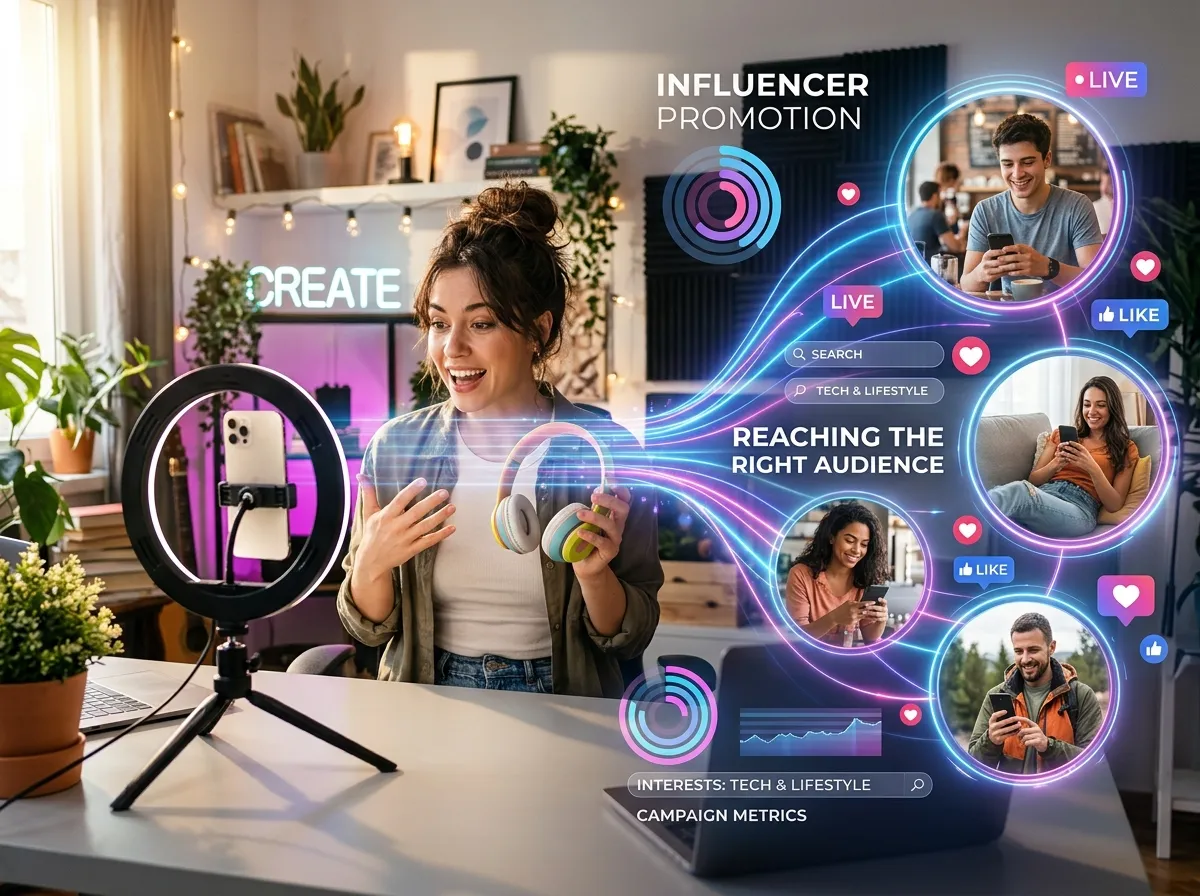
Social media influencer promotion allows event organizers to distribute information through platforms where their intended attendees already spend time. Different platforms support different types of event communication, so the choice should reflect audience behavior, content format, and the event’s objectives.
Short-form video can be useful for demonstrating the atmosphere of an event, introducing speakers, or showing what attendees can experience. Stories and brief updates can communicate registration reminders, countdowns, and time-sensitive announcements. Longer videos, livestreams, interviews, and professional posts may be more appropriate for events that require detailed explanations or attract specialized audiences.
Consistency across platforms is important, but identical content is not always necessary. A creator might publish a short teaser on one platform, share a detailed explanation on another, and answer audience questions through a live session. These different formats can reinforce the same central message while respecting the way people use each platform.
Organizers should also consider whether influencers can encourage meaningful interaction. Questions, polls, comment discussions, and audience responses can reveal which event features generate the most interest. This information may help organizers clarify their messaging and identify concerns that could prevent potential attendees from registering.
However, visibility alone should not determine success. A post that receives many views may not generate registrations if the audience has little interest in the event. The most valuable social media activity reaches relevant people and gives them a clear reason to take the next step.
Event Brand Ambassador Marketing and Long-Term Relationships
Event brand ambassador marketing can extend influencer promotion beyond a single sponsored post. Instead of engaging a creator for one announcement, organizers may develop ongoing relationships with individuals who consistently represent the event’s values, subject matter, or community.
This approach can be particularly effective for recurring conferences, annual exhibitions, membership events, professional communities, and festival series. Familiar ambassadors can introduce upcoming editions, share experiences from previous events, discuss new developments, and help returning audiences stay connected with the organization.
Long-term relationships can also create greater consistency in event communication. Ambassadors who understand the event’s purpose and audience may explain its value more naturally over time. Their familiarity can help followers recognize the event and understand how it differs from other opportunities.
Nevertheless, ambassador selection requires careful consideration. Organizers should evaluate professional credibility, audience relevance, communication standards, and previous conduct. The partnership should reflect the event’s identity without requiring creators to make claims that do not match their genuine experience.
A well-managed ambassador program should also include regular communication and opportunities for feedback. When organizers listen to creators and provide relevant updates, the relationship can become more productive for both sides. This ongoing collaboration may support awareness across multiple event cycles rather than delivering attention for only a short period.
Influencer Outreach for Events and Creator Selection
Influencer outreach for events is most effective when communication is relevant, professional, and specific to the creator. Generic messages that could apply to any event are less likely to establish a meaningful connection. A personalized invitation should explain why the organizer is contacting that particular influencer, how the event relates to their content, and what kind of collaboration is being proposed.
Before sending an invitation, organizers should review the creator’s recent publications, audience conversations, and previous event-related content. This research helps determine whether the partnership makes sense and provides useful context for the initial message. It also reduces the likelihood of approaching creators whose interests or audiences do not align with the event.
The outreach process should make practical details easy to understand. Influencers need information about the event date, location or access arrangements, intended audience, available experiences, expected deliverables, compensation, and deadlines. If the collaboration involves travel, accommodation, exclusive access, or special production requirements, these details should be discussed early.
Organizers should evaluate creators using more than follower counts. Engagement quality, audience relevance, content consistency, and the credibility of previous collaborations can provide a more realistic indication of potential value. Micro-influencers and niche experts may be especially useful when an event targets a focused professional or local community.
For additional perspective on building effective creator relationships, Influencer Collaboration Marketing explores how brands can work with influencers in ways that support shared objectives and audience trust. Applying these principles to event promotion can help organizers create partnerships that feel relevant instead of purely transactional.
Influencer-Generated Event Content and Audience Engagement
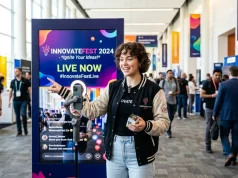
Influencer-generated event content can make an event easier for potential attendees to understand and imagine. Promotional materials created by the event team often focus on official information, whereas creator content can show how an event might feel, what participants could experience, and why particular features may be worthwhile.
Before an event, influencers can publish preparation videos, speaker introductions, venue previews, interviews, or explanations of sessions they are interested in attending. These formats provide useful context while building anticipation. During the event, creators may share live impressions, demonstrations, interviews, and highlights that communicate the atmosphere to people who are not present.
After the event, recap videos, photographs, discussions, and reflections can help extend its visibility. This content may also give organizers material to share with prospective attendees of future editions, provided the necessary permissions are in place.
Authenticity remains essential. Influencers should receive accurate information and clear creative direction, but their content should not be so tightly controlled that it loses their usual voice. Audiences are more likely to engage with material that fits naturally within the creator’s existing content.
Organizers should establish content usage rights before publication. Permission to post about an event does not automatically grant unrestricted rights to reuse a creator’s work in paid advertisements, promotional emails, or other marketing materials. Written agreements help clarify how the content may be edited, distributed, credited, and retained.
Increasing Event Attendance Through Influencer Promotion
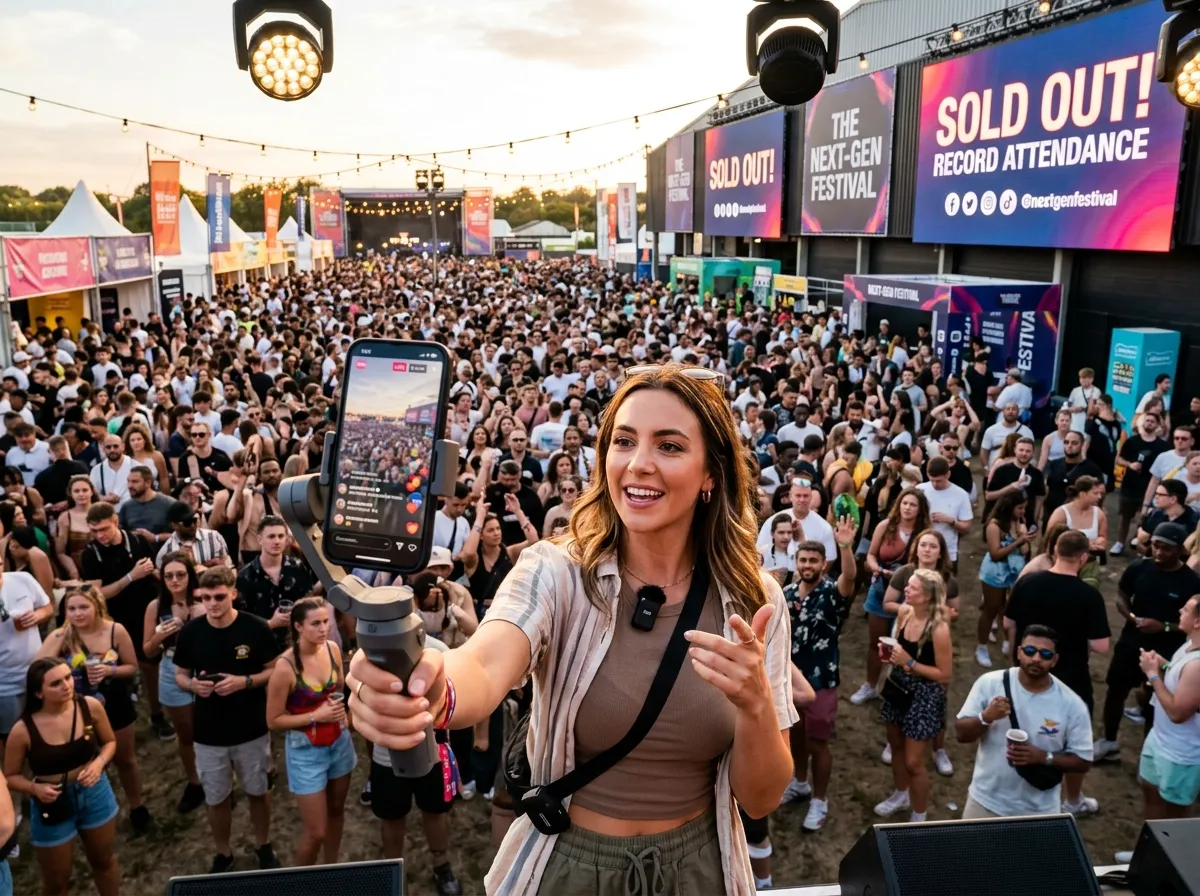
Event attendance growth strategies should connect promotional visibility with a clear registration journey. Influencers may introduce an event to interested audiences, but those audiences still need an easy way to find accurate details and complete the next action.
Each promotional post should direct people toward an appropriate destination, such as the official event page, ticketing platform, registration form, or detailed schedule. The destination should explain the event’s value, provide essential logistical information, and make registration straightforward. If the information is difficult to find or the process requires unnecessary steps, potential attendees may lose interest.
Organizers can use trackable links, campaign-specific discount codes, or unique referral identifiers to understand which partnerships generate meaningful results. These tools can help distinguish general engagement from traffic, registrations, and ticket purchases attributable to individual creators.
The attendee experience also matters after registration. People may need confirmation messages, access instructions, schedule updates, or reminders before the event. Providing clear information through appropriate channels helps reduce uncertainty and supports a positive experience. Organizers can strengthen this part of the journey by coordinating promotional promises with the practical support described in their Event Guest Services approach.
Event discovery should not rely on social media alone. A well-structured event page, relevant descriptions, accurate schedules, and consistent event details can help interested audiences find and evaluate the opportunity. Combining creator partnerships with strong Event Search Visibility can support discovery across social platforms and search engines.
Measuring the Performance of Event Influencer Promotion
Measuring performance helps organizers understand whether influencer activity contributes to the event’s objectives. The most appropriate indicators depend on whether the campaign is intended to build awareness, generate registrations, sell tickets, increase participation, or maintain relationships with an existing audience.
Awareness-related measures may include reach, impressions, video views, mentions, and growth in relevant social conversations. Engagement indicators, such as comments, shares, saves, and meaningful questions, can help reveal whether the content attracts genuine interest. Website visits, registration starts, completed sign-ups, and ticket purchases provide stronger evidence of direct action.
Organizers should evaluate the quality of these results as well as their volume. A creator who generates fewer clicks but attracts highly relevant attendees may provide more value than one whose content produces broad but poorly matched traffic. Where possible, campaign-specific tracking can help connect promotional activity with registration outcomes.
Comparing performance across creators and content formats can also improve future decisions. If interviews generate more registrations than general announcements, organizers may prioritize interview-based collaborations in subsequent campaigns. If one audience segment responds particularly well to practical event information, future content can emphasize those details.
Attribution should be interpreted carefully because attendees may discover an event through several channels before registering. An influencer may create initial awareness, while a search result, email, or recommendation completes the decision. Combining tracking data with registration surveys and other available evidence provides a more balanced view of campaign influence.
Building Sustainable Event Influencer Promotion
Event Influencer Promotion works best when it is integrated into a broader marketing strategy rather than treated as an isolated promotional tactic. The strongest collaborations connect the right creators with the right audiences, communicate the event’s value clearly, and make it easy for interested people to take action.
Organizers who prioritize relevant partnerships, authentic content, clear agreements, and consistent communication can create campaigns that support both immediate attendance and long-term brand awareness. Influencer content can introduce an event to new communities, demonstrate its value through relatable experiences, and keep audiences engaged before, during, and after the occasion.
Continual evaluation makes the approach more effective over time. By learning which creators, messages, and content formats produce meaningful outcomes, event teams can improve their promotional decisions and build stronger relationships with both influencers and attendees. With thoughtful coordination and a focus on audience relevance, influencer promotion can become a valuable part of creating successful, recognizable, and engaging events.
Frequently Asked Questions
1. What is Event Influencer Promotion?
Event Influencer Promotion is the practice of collaborating with social media creators, industry experts, and relevant personalities to promote an event. These partners share information, experiences, and recommendations with their audiences to increase awareness, encourage engagement, and support registrations or ticket sales.
2. How does influencer marketing help increase event attendance?
Influencer marketing introduces an event to audiences who may not discover it through traditional promotional channels. Relevant creators can explain the event’s benefits, answer common questions, and direct interested followers to registration pages. Trackable links and campaign codes can help organizers evaluate how these collaborations contribute to attendance.
3. How do I choose the right influencers for an event?
Choose influencers whose audience interests, content, reputation, and engagement align with the event’s target attendees. Review their previous collaborations and the quality of audience interactions instead of relying only on follower counts. A smaller creator with a highly relevant audience may be more effective than a larger creator with limited audience alignment.
4. Which social media platforms work best for event influencer promotion?
The best platform depends on the event and its intended audience. Short-form video platforms can support visual teasers and behind-the-scenes content, while professional networks may be more suitable for business conferences and industry events. Organizers should prioritize platforms where potential attendees are most active and receptive to the event’s subject.
5. What types of content can influencers create to promote events?
Influencers can create event announcements, short videos, speaker interviews, venue previews, countdowns, livestreams, registration reminders, and event recaps. The most suitable format depends on the event’s goals and the creator’s audience. Content should communicate genuine value while giving viewers a clear next step.
6. What is the difference between an event influencer and an event brand ambassador?
An event influencer may be engaged for a specific promotional activity or campaign, while an event brand ambassador usually maintains a longer-term relationship with the event or organization. Ambassadors may promote multiple editions, share ongoing updates, and help maintain familiarity with the event over time.
7. How much does event influencer promotion cost?
Costs vary according to the influencer’s audience, engagement, experience, platform, content requirements, and campaign duration. Some collaborations involve fixed fees, while others may include complimentary access, affiliate commissions, or negotiated combinations of benefits. Organizers should agree on deliverables, payment terms, and content usage rights before the campaign begins.
8. How can event organizers measure influencer campaign success?
Organizers can measure reach, impressions, engagement, referral traffic, registrations, ticket sales, and campaign-specific conversions. Unique tracking links and discount codes can help attribute results to individual creators. These figures should be considered alongside audience relevance and the overall cost of each collaboration.
9. Why is authenticity important in event influencer promotion?
Authenticity helps promotional content fit naturally with the creator’s usual communication style and established audience relationship. When influencers understand the event and can discuss its genuine benefits, their content is more likely to feel relevant and credible. Accurate information and transparent sponsorship disclosures also support audience trust.
10. Can event influencer promotion work for small or local events?
Yes. Local creators, community personalities, niche experts, and micro-influencers can help smaller events reach audiences in a particular location or interest group. Partnerships with relevant creators may be especially useful for local festivals, workshops, networking sessions, community activities, and small business events when the promotional message and audience are closely aligned.