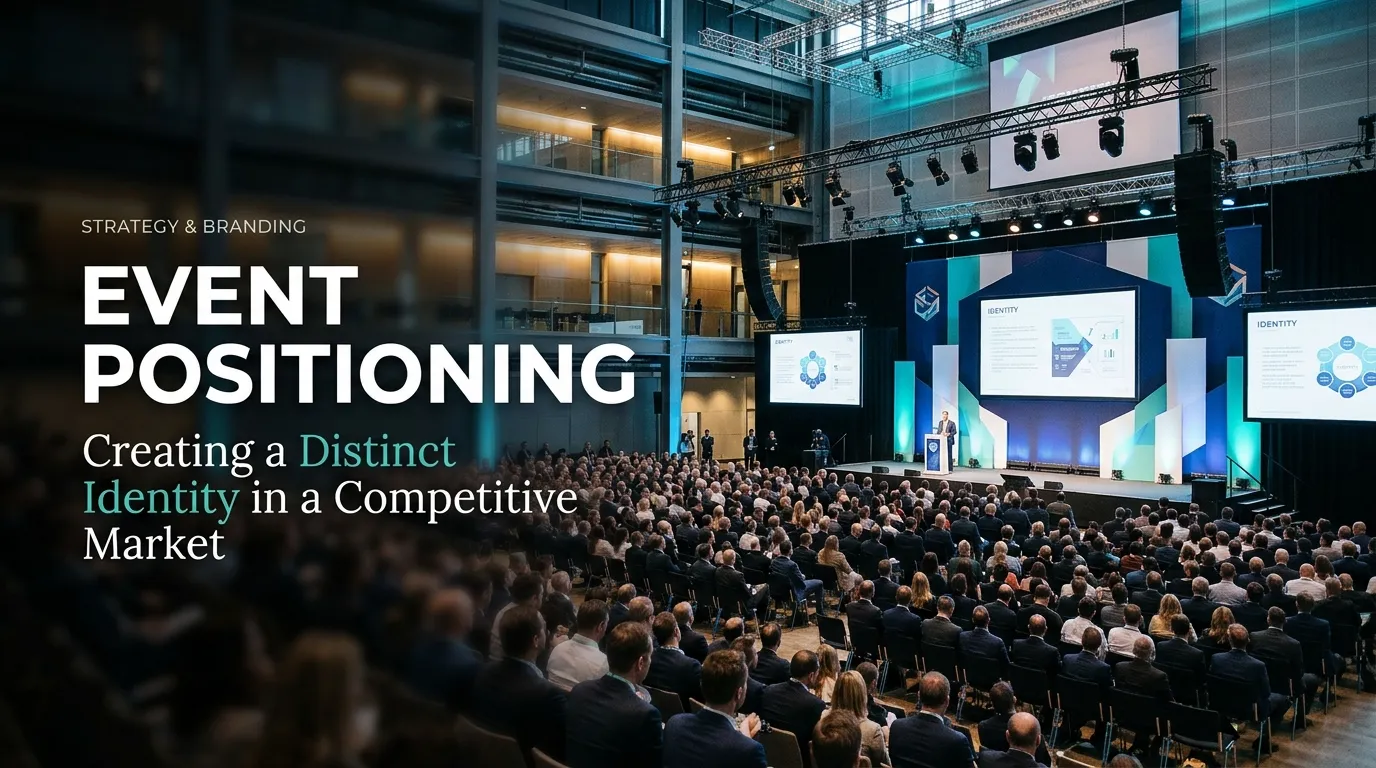
Event positioning defines how an event is perceived and why its intended audience should choose it over competing options. By combining audience targeting, competitive analysis, brand differentiation, and a clear value proposition, organizers can create a recognizable identity and consistent attendee experience. Effective positioning also guides event marketing, partnerships, audience engagement, and performance measurement.
An event can offer valuable information, engaging speakers, excellent networking opportunities, or memorable experiences and still struggle to attract the right audience. The problem is not always the quality of the event itself. Sometimes, potential attendees simply do not understand what makes it different from other events competing for their attention.
This is where event positioning becomes important. It defines how an event should be perceived by its intended audience and what makes it worth attending. A well-positioned event has a recognizable identity, a clear purpose, and a compelling reason for people to choose it over alternative opportunities.
Whether an organization is hosting a business conference, industry exhibition, community gathering, product launch, or professional workshop, positioning influences how people interpret its value. It shapes the event’s messaging, visual identity, audience selection, promotional activities, and overall experience.
Effective event positioning is not simply about creating an attractive slogan or presenting an event as unique. It requires a realistic understanding of audience expectations, competing offerings, and the specific benefits the event can deliver. When these elements work together, an event becomes easier to recognize, communicate, and remember.
What Makes Event Positioning Important?
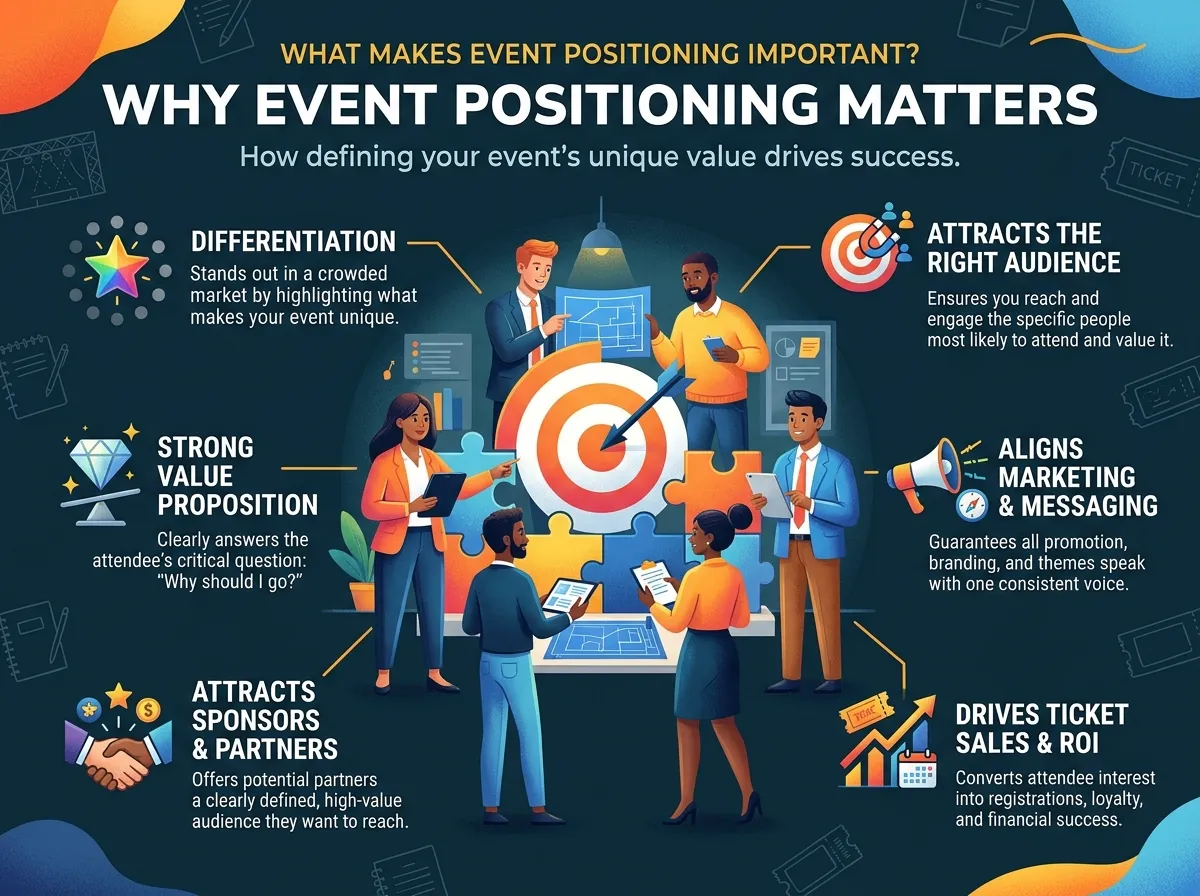
Event positioning establishes a clear place for an event in the minds of potential attendees. It answers an important question: why should someone choose this event instead of spending their time and resources elsewhere?
Consider two business conferences covering similar industry topics. One promotes a broad collection of presentations and networking opportunities. The other focuses on helping small business owners understand emerging market opportunities through practical discussions and connections with relevant professionals. Although their subject matter may overlap, their positioning communicates different experiences and benefits.
The second conference gives a particular audience a clearer reason to pay attention. Its message connects the event’s purpose with a specific need rather than relying on a general promise of value.
Strong positioning also creates consistency. When the event’s promotional materials, website, speakers, sessions, and attendee experience communicate the same central idea, people can develop a clearer understanding of what the event represents.
Without this consistency, an event may appear to offer too many unrelated benefits. Potential attendees can struggle to identify its main purpose, while sponsors and partners may find it difficult to understand where they fit into the event’s identity.
Finding the Right Place in the Event Market
Event market positioning begins with understanding the environment in which an event will compete. An event rarely operates in isolation. Its audience may also consider competing conferences, industry meetups, webinars, exhibitions, training programs, or other activities that offer similar benefits.
Understanding this environment helps organizers recognize opportunities that are not adequately addressed by existing events.
For instance, an industry may already have several large conferences designed for experienced professionals. A new event might find an opportunity by focusing on early-career specialists, emerging businesses, or a specific challenge that receives limited attention elsewhere. The objective is not to appear different for the sake of difference, but to serve an identifiable audience more effectively.
Competitive analysis should examine more than event names and ticket prices. Organizers need to consider the topics competitors emphasize, the audiences they attract, the experience they promise, and the reasons people value their events.
This information can reveal areas where an event could establish a more meaningful identity. It may offer a more specialized discussion, a different professional community, a more accessible format, or a stronger connection between educational content and practical business needs.
However, an opportunity should only become part of the event’s positioning when the organizers can genuinely deliver it. A promise of exclusive industry access, for example, will not create lasting differentiation if attendees experience the same generic networking opportunities available elsewhere.
Defining the Audience Before Defining the Message
Event positioning becomes more effective when organizers understand whom they want to attract. A broad audience may appear to provide more opportunities for attendance, but messaging designed for everyone can struggle to connect with anyone in particular.
Event audience targeting involves identifying the people most likely to benefit from the event and aligning its purpose with their interests, needs, and expectations.
A technology conference targeting business executives may emphasize strategic decisions, operational efficiency, and emerging opportunities. An event aimed at technical specialists may focus more heavily on implementation, industry developments, and professional knowledge. Both audiences may work in the same industry, but they respond to different reasons for attending.
Audience segmentation helps organizers understand these differences. Potential attendees can be grouped according to professional roles, industry sectors, experience levels, interests, geographic markets, or other characteristics relevant to the event.
Segmentation is most useful when it influences real decisions. If research shows that a particular audience values practical learning more than broad industry discussions, organizers can reflect that preference in the program, speaker selection, promotional messages, and event format.
It is also important to recognize that different groups may participate for different reasons. Attendees may want to learn, sponsors may want relevant exposure, speakers may seek professional recognition, and exhibitors may be interested in business connections. Event positioning should maintain one recognizable central identity while explaining the value the event offers to each important group.
Building an Event Value Proposition People Understand
A strong event value proposition communicates what attendees can expect to gain and why that benefit matters. It connects the event’s purpose with the audience’s priorities in language that is clear, specific, and credible.
A vague promise such as “an unforgettable experience” might sound appealing, but it does not explain why the event deserves attention. A more focused message can identify the type of knowledge, relationships, experiences, or opportunities attendees are likely to find.
The value proposition should reflect the event’s actual strengths. An industry summit might provide access to specialized expertise, while a local business gathering could offer meaningful relationships within a particular community. A professional workshop may be valuable because participants can apply what they learn directly to their work.
These benefits should influence the event itself rather than existing only in advertising. If an event promises practical learning, its sessions should provide useful insights. If it promises meaningful networking, the format should create genuine opportunities for interaction.
Credibility matters because attendees increasingly compare events before committing their time and budget. Clear descriptions of the program, speakers, intended audience, and expected experience help people make informed decisions.
When the value proposition is easy to understand, it also becomes easier for sponsors, partners, speakers, and promotional teams to communicate the event consistently.
Developing an Event Brand That People Recognize
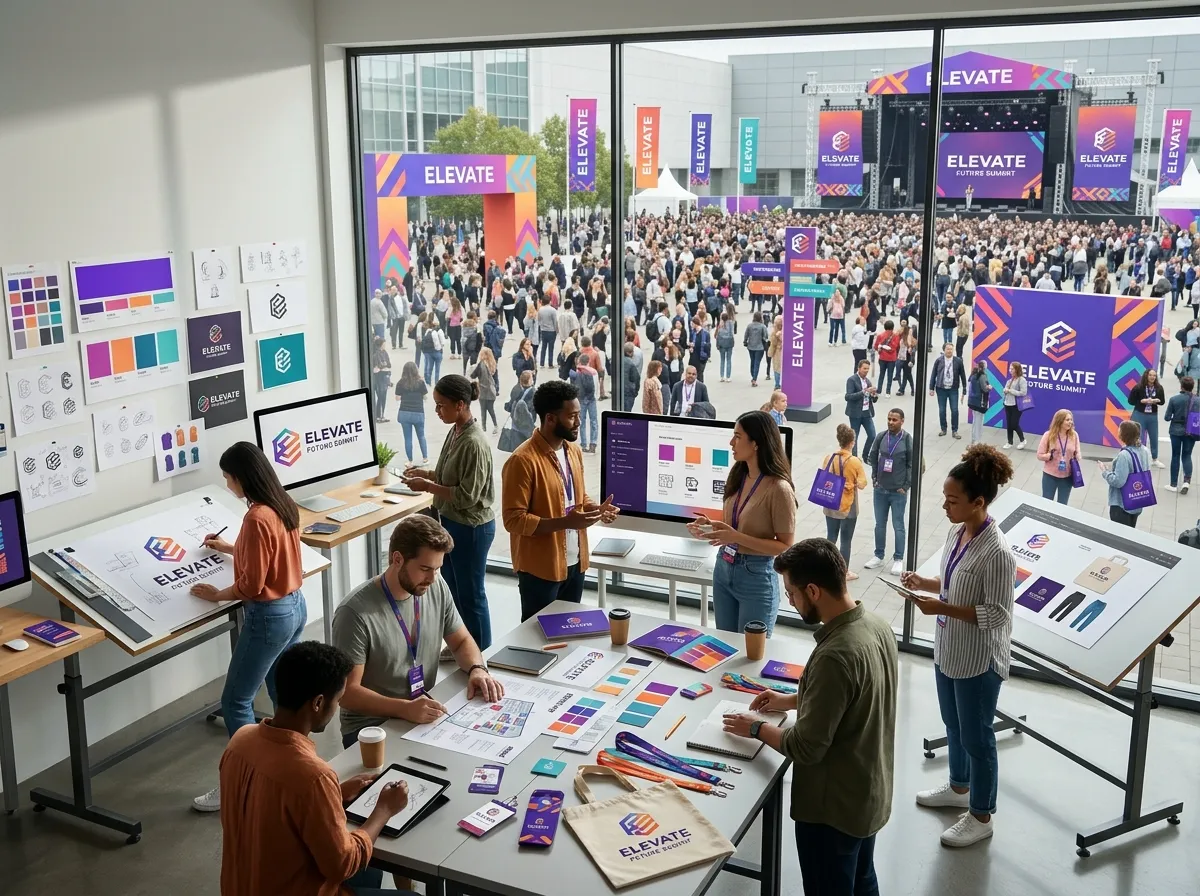
An event’s brand identity influences how people recognize and remember it. Its name, visual presentation, tone of communication, and recurring themes all contribute to the impression it creates.
Event brand positioning connects these identity elements with the event’s intended place in the market. A premium executive conference, for example, may communicate authority, exclusivity, and expertise through its visual style and messaging. A creative industry gathering may emphasize experimentation, collaboration, and fresh perspectives.
Neither approach is automatically better. The appropriate identity depends on the audience, the event’s purpose, and the experience organizers can provide.
Consistency is particularly important when an event returns each year. Familiar visual elements, recognizable messaging, and a clear connection to previous editions can help established audiences understand what the event represents. At the same time, organizers can introduce new themes or formats without abandoning the identity that attendees already recognize.
For new events, identity development requires careful attention to the relationship between appearance and substance. A polished website and attractive promotional materials can create initial interest, but the event’s actual experience determines whether that first impression develops into trust.
A distinctive identity is therefore not only a design decision. It is a commitment to delivering a recognizable type of value.
Differentiation Without Losing the Event’s Purpose
Event brand differentiation helps organizers explain what separates their event from alternatives. Yet differentiation should not become a search for unusual features that have little relevance to the audience.
An event can distinguish itself through its subject matter, depth of discussion, attendee community, format, location, accessibility, or approach to networking. The strongest distinction is one that matters to potential attendees and is difficult for competitors to reproduce without making meaningful changes to their own offerings.
For example, a regional business event might differentiate itself through a strong focus on local market challenges and relationships among nearby organizations. A specialist conference could build its identity around a narrow technical field that larger industry events cover only briefly.
The value of such positioning comes from relevance. Attendees can see why the event exists and how it meets a need that other options may not address as directly.
Organizers should also avoid creating too many competing claims. When every feature is described as the event’s main advantage, the overall message loses focus. A clear central distinction, supported by a few complementary benefits, is usually easier to communicate and remember.
This approach also improves decision-making. When the event’s defining purpose is clear, organizers can assess new ideas by asking whether they strengthen that purpose or distract from it.
Connecting Positioning With Event Marketing
An event’s positioning should guide its marketing rather than remain a statement that exists separately from promotional activity. Event marketing positioning ensures that the central value proposition remains consistent across the channels people use to discover and evaluate the event.
The event website should quickly communicate its purpose, intended audience, main benefits, and essential details. Promotional content can explore specific audience interests, while email campaigns can explain relevant program developments or registration information. Social media can reinforce the event’s identity through speaker discussions, topic previews, and useful industry content.
Search visibility also contributes to how potential attendees discover and understand an event. Accurate descriptions, consistent event information, and relevant page details help search engines and users interpret what the event offers. Organizers can strengthen this foundation through thoughtful Event Metadata that communicates essential details such as the event name, date, location, and subject matter where appropriate.
Influencer and industry partnerships can extend the event’s message to audiences that already trust particular voices. Effective Event Influencer Promotion can introduce the event to relevant communities while supporting its central positioning.
The important consideration is that each channel should reinforce the same core promise. If the website describes a specialized professional event but social posts promote it as a broad entertainment experience, potential attendees may receive conflicting impressions.
Keeping the Positioning Relevant Throughout the Attendee Journey
Event positioning does not end when someone registers. Every interaction leading up to, during, and after the event can reinforce or weaken the expectations created by marketing.
Before the event, registration confirmations, reminders, program updates, and practical information should reflect the event’s identity. A professional conference should communicate clearly and reliably, while a community-oriented event may adopt a more informal and welcoming tone.
During the event, the schedule, venue, speakers, staff interactions, and attendee services should support the promised experience. A networking-focused event needs opportunities for people to make connections, while an educational event should ensure that sessions deliver relevant knowledge.
Technology can also influence how consistently the event fulfills its promise. Organizers managing complex schedules, repeated attendee questions, or registration inquiries may benefit from Event Management Chatbots when these tools are appropriate for the audience and event format. Useful automated assistance can make essential information easier to access, although it should not replace human support where personal assistance is needed.
After the event, follow-up communication should continue the same relationship. Sharing relevant resources, gathering attendee feedback, and communicating future opportunities can reinforce the value people received.
This continuity matters because attendees judge an event through the complete experience, not only its promotional message.
Measuring Whether Event Positioning Is Working
Effective positioning should produce observable signs that people understand the event and consider it relevant. Registration numbers are important, but they do not explain the full picture.
Organizers can examine whether the intended audience is registering, which promotional messages attract qualified interest, and how potential attendees describe the event’s value. Feedback from participants, speakers, sponsors, and partners can reveal whether the event’s identity is clear and whether the experience matches expectations.
Registration conversion rates can help identify whether the event’s message encourages interested visitors to take action. Audience composition can show whether promotional efforts are reaching the right groups. Post-event surveys and repeat attendance can provide additional insight into perceived value and long-term recognition.
Remarketing can also help reconnect with people who previously expressed interest but did not register. Through Event Remarketing, organizers can communicate relevant information to previous visitors and interested audiences. These messages should reinforce the event’s actual value rather than simply repeat registration requests.
If feedback suggests that people do not understand the event’s purpose, the positioning statement or promotional content may need clarification. If the message is clear but attendance remains weak, organizers may need to examine pricing, scheduling, audience fit, distribution channels, or the strength of the event’s offering.
The goal is to use evidence to distinguish a positioning problem from other factors that affect event performance.
When an Event’s Positioning Needs to Change
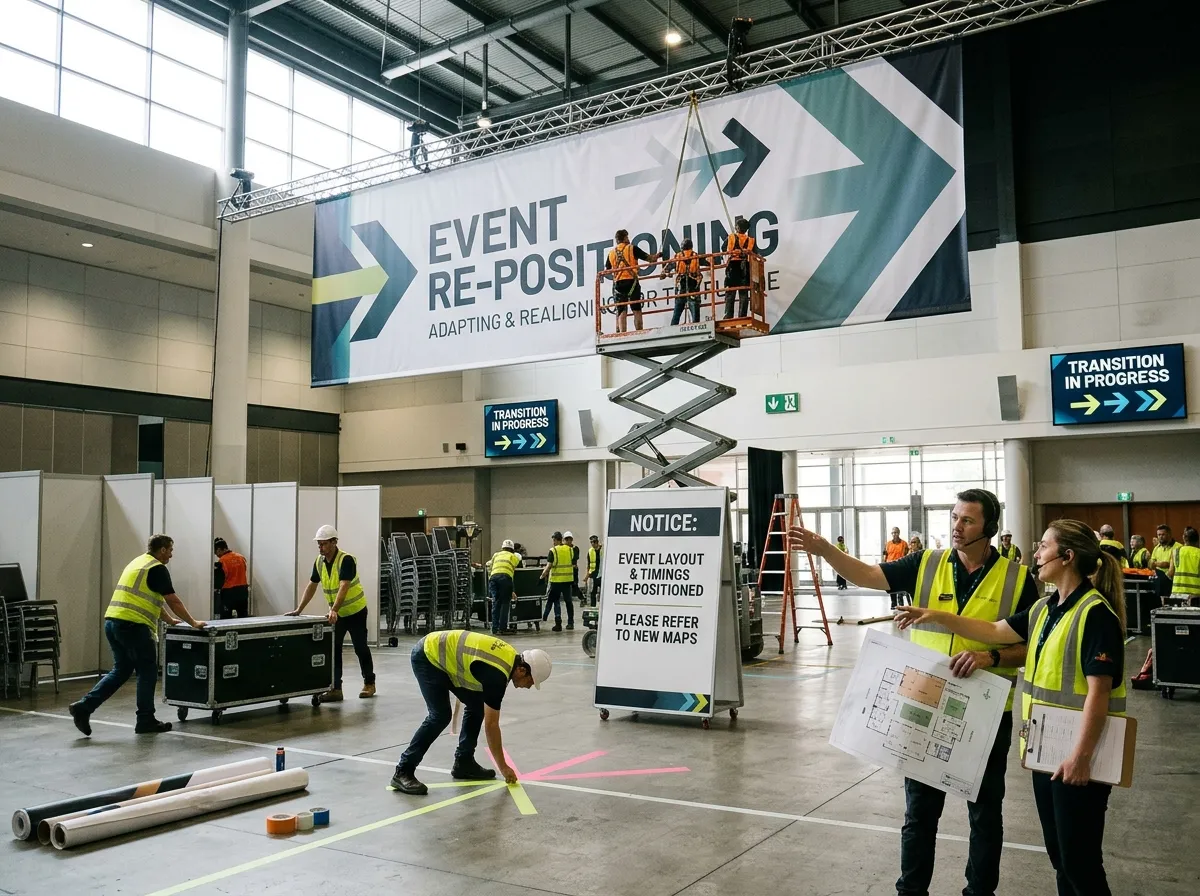
Markets evolve, audience expectations shift, and competing events introduce new experiences. An event’s original positioning may eventually become less relevant or fail to communicate its strongest qualities.
A change may be necessary when the event consistently attracts the wrong audience, receives feedback that its purpose is unclear, or becomes difficult to distinguish from competing offerings. New business objectives or changes in the industry may also create an opportunity to refine the event’s focus.
However, changing positioning does not always require a complete rebrand. Sometimes, organizers need to communicate existing strengths more clearly, narrow the intended audience, adjust the program, or improve how the event demonstrates its value.
More substantial changes should be supported by audience research and a realistic assessment of what the organization can deliver. If the event moves toward a different audience or purpose, its content, speakers, format, and marketing may need to change as well.
A successful repositioning preserves useful recognition where possible while making the event more relevant to the people it wants to reach.
Conclusion
Event positioning gives an event a clear identity and a meaningful reason to stand out in a competitive market. By understanding audience needs, analyzing alternatives, defining a credible value proposition, and building a consistent brand, organizers can communicate why their event deserves attention.
Its impact extends beyond promotional messaging. Positioning influences program decisions, audience selection, partnerships, attendee communication, and the experience delivered on the day. When these elements support the same promise, people can more easily understand the event and decide whether it meets their needs.
Strong positioning is not about claiming that an event is the best for everyone. It is about establishing why it is relevant to the right audience and ensuring that the experience lives up to that promise. Through thoughtful planning, consistent communication, and ongoing evaluation, event organizers can build recognition, strengthen audience trust, and create a more distinctive presence in their market.
Frequently Asked Questions
1. What is event positioning?
Event positioning is the process of defining how an event should be perceived by its target audience and communicating what makes it valuable compared with other available events.
2. Why is event positioning important?
It helps potential attendees understand an event’s purpose, recognize its benefits, and decide whether it meets their interests. It also creates consistency across marketing and event delivery.
3. What is an event value proposition?
An event value proposition explains the main benefits attendees can expect and why those benefits are relevant to them. It should be clear, specific, and supported by the actual event experience.
4. How does audience targeting affect event positioning?
Audience targeting identifies the people most likely to benefit from an event. Understanding their needs and expectations helps organizers develop relevant messaging, content, and experiences.
5. What is the difference between event positioning and event branding?
Event positioning defines the place an event aims to occupy in its audience’s minds. Event branding uses elements such as its name, visual identity, tone, and communication to express and reinforce that position.
6. How can event organizers differentiate their events?
Organizers can focus on a specific audience, specialized subject matter, distinctive attendee experiences, meaningful networking, or benefits that competing events do not address as directly.
7. What role does competitive analysis play in event positioning?
Competitive analysis helps organizers understand existing event offerings, identify audience needs that remain underserved, and find realistic opportunities to establish a distinctive position.
8. How does event positioning improve marketing?
It gives promotional activities a consistent message, helping websites, social media, email campaigns, partnerships, and other channels communicate the event’s purpose and benefits clearly.
9. How can businesses measure event positioning success?
They can evaluate audience fit, registration conversion rates, attendee feedback, brand recognition, sponsor satisfaction, repeat attendance, and whether the delivered experience matches the event’s promise.
10. When should an event’s positioning be updated?
Positioning should be reviewed when audience needs change, competitors introduce new offerings, the event attracts an unsuitable audience, or feedback suggests that its value and purpose are unclear.