Live event marketing helps brands create immersive, memorable experiences that engage audiences, build trust, and boost visibility. From workshops and product launches to trade shows and virtual events, it fosters real-time interaction and emotional connection. When executed strategically, live events drive leads, strengthen brand loyalty, and leave a lasting impression.
What is Live Event Marketing?
Live event marketing is a strategic approach where brands host or participate in in-person or virtual events to promote their products, services, or overall brand identity. These events can take many forms, ranging from intimate workshops, pop-ups, and networking meetups to large-scale conferences, trade shows, or live-streamed webinars. The core purpose of live event marketing is to create an interactive, memorable experience that engages attendees on a personal level while naturally communicating your brand message.
What sets live event marketing apart from traditional advertising is its ability to foster real-time connection. Unlike static digital ads or social media posts, live events allow for face-to-face interactions, hands-on demonstrations, and dynamic engagement that leaves a lasting impression. Attendees not only consume your brand’s content—they experience it. Whether it’s through immersive product trials, interactive sessions, or networking opportunities, live events provide a unique platform to showcase your brand personality, build meaningful relationships, and differentiate yourself in a crowded marketplace. The emotional resonance created during these events often translates into stronger brand loyalty, word-of-mouth promotion, and long-term customer engagement.
Why Live Event Marketing Works
Today’s consumers value experiences far more than simple transactions. A study by Eventbrite shows that 78% of Millennials would prefer to spend money on an experience rather than a physical item, highlighting a major shift in consumer behavior. Live event marketing capitalizes on this trend by offering immersive, interactive experiences that create meaningful emotional connections with your audience. Unlike traditional advertising, which often feels one-sided, live events allow participants to see, touch, and engage with your brand in real time. This hands-on interaction fosters trust, loyalty, and a sense of community, making your brand memorable long after the event ends. Whether it’s a product demonstration, a workshop, or a festival-style activation, live events give consumers a reason to feel personally connected to your brand and its story.
Some key benefits of live event marketing include:
- Stronger brand connection: Direct engagement fosters loyalty and trust.
- Lead generation: Engage with attendees who are genuinely interested in what your brand offers.
- Audience insights: Real-time interaction provides invaluable feedback and data.
- Brand visibility: Events help you stand out in a crowded digital landscape.
Types of Live Event Marketing
Live event marketing is highly versatile, and there isn’t a single approach that works for every brand or audience. The type of event you choose should align with your marketing goals, target audience, and the experience you want to create. From intimate, hands-on workshops to large-scale conferences and trade shows, each event type offers unique opportunities to connect with attendees, showcase your products or services, and leave a lasting impression.
By carefully selecting the right type of live event, businesses can maximize engagement, strengthen brand recognition, and foster meaningful relationships with customers, partners, or industry peers. Whether your goal is to generate leads, build thought leadership, educate your audience, or create buzz around a new product launch, integrating diverse event types into your marketing strategy ensures that your brand reaches the right people in a way that resonates. Understanding the benefits of each format allows marketers to tailor the experience, craft compelling content, and create memorable moments that go beyond traditional advertising. For B2B-focused events, check our B2B Event Marketing Tactics for Success.
Trade Shows and Expos
Perfect for B2B brands, trade shows allow you to showcase products or services to potential clients, network with industry professionals, and gain exposure.
Conferences
Hosting or sponsoring a conference positions your brand as an industry thought leader. Share insights, provide enriching value, and network with a room full of professionals who align with your brand.
Workshops and Educational Sessions
Interactive and collaborative, workshops cultivate a stronger connection to your product or service. Offering real-world applications during these events helps demonstrate your value. You can also combine live workshops with personalized data-driven marketing approaches to tailor content for attendees.
Product Launch Events
Create buzz around a product launch by showcasing it in an engaging, experiential event. Give attendees an exclusive first look while generating anticipation online through media coverage and social sharing.
Pop-Up Events
Temporary and unexpected, pop-up events surprise and delight local audiences. Perfect for retail brands or promotions, pop-ups are designed to create hype quickly.
Key Steps to Master Live Event Marketing
Executing a successful live event marketing campaign requires careful planning, strategic thinking, and attention to detail. It’s not just about booking a venue or sending out invitations—every aspect of the event contributes to the overall experience and the impression your brand leaves on attendees. From understanding your audience and defining clear objectives to creating engaging content and follow-up strategies, each step plays a crucial role in ensuring your event achieves its goals. By approaching live event marketing methodically, you can design experiences that are not only memorable but also generate measurable results, strengthen your brand presence, and foster lasting connections with your audience.
Define Your Goals
Start with a clear objective for your event. Are you highlighting a new product? Generating leads? Building brand awareness? Well-defined goals align your planning efforts and help measure your success post-event.
Understand Your Target Audience
Tailor every element of your event to your audience’s preferences and needs. From the theme and content to the activities, knowing your audience allows you to deliver a meaningful experience that resonates with them.
Choose the Right Type of Event
Select an event type that achieves your goals and aligns with your audience. If you’re targeting professionals, a conference may be ideal. For local consumers, a pop-up might work better.4. Promote Your Event Strategically
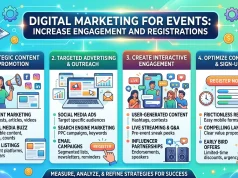
Promotion is key to getting attendees through the door. Use a mix of marketing channels for your pre-event promotion, including social media, email marketing, and paid ads. Consider offering early bird registration or exclusive perks to drive conversions.
Focus on Creating an Engaging Experience
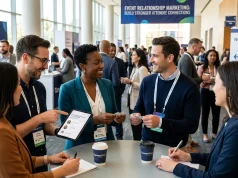
While content and activities are important, the overall vibe of your event plays a huge role in its success. Create opportunities for interaction, whether through Q&A sessions, live demos, or networking lounges. Use branded backdrops and creative photo opportunities to maximize social media sharing.
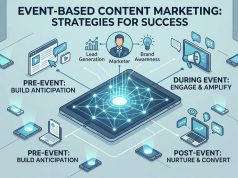
Follow-Up Post-Event
Your relationship with attendees doesn’t end once the event is over. Send thank-you emails, share content from the event, and engage attendees on social media to build stronger connections and keep your brand top-of-mind.
Examples of Live Event Marketing Done Right
Apple’s Product Launch Events
When Apple announces a major product launch, the world listens. With sleek visuals, in-depth product demonstrations, and an exciting sense of exclusivity, the tech giant nails live event marketing every time.
Red Bull’s Extreme Sports Events
By hosting spectator-thrilling events like the Red Bull Air Race, the brand aligns itself with adrenaline and excitement while creating memorable experiences that amplify brand loyalty.
Sephora’s Beauty Classes
Sephora offers free beauty workshops at its stores, blending education, hands-on demonstrations, and product sampling. These events build community and give attendees a firsthand look at Sephora’s products in action.
Measure the Success of Your Live Events
To ensure your efforts are worthwhile, track KPIs like the following after your event concludes:
- Attendance rates (and how they compare to registration)
- Social media engagement (mentions, hashtags, shared photos, etc.)
- Leads generated (sign-ups, email captures, etc.)
- Audience feedback (collected through surveys or conversations)
Analytics not only help measure success but also inform future event strategies.
Transform Your Brand with Live Event Marketing
Live event marketing offers a unique opportunity to connect with your audience in ways that digital channels alone cannot achieve. By hosting immersive, interactive events, you give attendees the chance to experience your brand firsthand, creating a personal and emotional connection that builds trust and loyalty. Whether it’s a high-profile product launch, a sponsored industry conference, a community pop-up, or an experiential activation, live events allow your brand to stand out in a crowded marketplace by offering memorable experiences that people will talk about long after the event ends. For inspiration, check our Experiential Marketing: Live Events Success guide.
Integrating live event marketing into your strategy begins with a clear understanding of your goals—whether it’s increasing brand awareness, generating leads, or driving conversions. Next, focus on your audience: know their preferences, interests, and behaviors to tailor an event that truly resonates. Finally, design an experience that is engaging, interactive, and authentic, using storytelling, multi-sensory elements, and technology where appropriate to leave a lasting impression. When done right, live event marketing not only promotes your products or services but also strengthens your brand identity, fosters community, and creates opportunities for meaningful connections.
For businesses eager to elevate their marketing strategy, exploring expert resources and case studies can provide valuable insights and inspiration to maximize the impact of every live event. With thoughtful planning and creative execution, live events become a powerful vehicle to transform your brand and build lasting relationships with your audience.
Frequently Asked Questions (FAQ)
What is live event marketing and why is it important?
Live event marketing involves hosting or participating in in-person or virtual events to promote your brand, products, or services. It’s important because it creates immersive, memorable experiences, fosters emotional connections, and allows real-time interaction with your audience—something traditional digital ads can’t achieve.
Can small businesses benefit from live event marketing?
Absolutely. Even small businesses can leverage live events to showcase products, connect with local communities, and generate leads. Workshops, pop-up shops, and small-scale launch events can be cost-effective ways to build brand awareness while creating meaningful experiences.
How do I measure the success of a live event marketing campaign?
Key metrics include attendance versus registration, engagement on social media, leads generated, survey feedback, and post-event conversions. These insights help assess ROI and guide improvements for future campaigns.
What types of events are most effective for live marketing?
Trade shows, conferences, workshops, product launches, and pop-ups are highly effective, but the best type depends on your brand goals and target audience. The key is to choose events that provide meaningful interaction and align with your marketing objectives.
How can I make my live event marketing memorable?
Focus on storytelling, multi-sensory experiences, interactive activities, and technology integration. Engaging attendees emotionally and providing unique, hands-on experiences ensures your event leaves a lasting impression.
Can live event marketing work online as well as offline?
Yes. Virtual events, webinars, and live streams can replicate many benefits of in-person events, including engagement, lead generation, and brand storytelling. Combining online and offline experiences can further extend reach and audience engagement.
How do I choose the right venue for a live event?
Selecting the right venue is crucial for the success of your live event marketing. Consider factors like location, accessibility, capacity, and the atmosphere you want to create. The venue should align with your brand image and allow for seamless execution of activities, whether that includes stage presentations, networking areas, or interactive demos. A well-chosen venue enhances the overall experience and leaves a lasting impression on attendees.
What budget considerations should I keep in mind for live event marketing?
Budgeting for live events involves more than just renting a space. You need to account for staffing, décor, technology, marketing, permits, catering, and promotional materials. Planning a detailed budget early ensures you allocate resources effectively while avoiding unexpected costs. ROI should be evaluated not only in terms of sales but also brand awareness, engagement, and lead generation.
How can I drive attendance to my live events?
Promotion is key to filling your event with engaged attendees. A combination of social media campaigns, email marketing, influencer partnerships, and paid advertising can help create buzz. Offering early bird registration, exclusive perks, or limited-time access encourages sign-ups. The goal is to build excitement and ensure your target audience knows the value of attending your live event.
What role does follow-up play after a live event?
Follow-up is essential for converting attendees into loyal customers or brand advocates. Send thank-you emails, share recap videos or event highlights, and engage attendees on social media. Gathering feedback through surveys helps refine future events. Effective follow-up strengthens relationships, extends the impact of your live event marketing, and maximizes ROI.