Gamification transforms events by integrating interactive game mechanics like leaderboards and rewards, significantly boosting attendee engagement, fostering networking, and providing organizers with deep, real-time behavioral data for measurable ROI.
In today’s digital landscape, event organizers face an uphill battle to capture attention and foster meaningful engagement. With so many conferences, trade shows, and virtual gatherings on the calendar, attendees have high expectations for interactive, memorable experiences. Innovative marketers are turning to gamification strategies to transform passive spectators into active participants. By weaving game design elements—such as points, leaderboards, and rewards—into event activities, planners can boost participation, amplify brand messaging, and gather deep behavioral insights.
Rather than relying solely on lectures or static exhibits, this playful approach encourages attendees to navigate curated attendee journeys, engage in both virtual and in-person interactions, and connect with sponsors through purpose-driven missions. This multifaceted system not only keeps participants invested but also generates rich data on interests, preferences, and networking patterns. According to a study by Stanford University, gamification can increase motivation by up to fifty percent, underscoring its potential impact on modern gatherings.
In the sections that follow, we will explore core components of effective gamification strategies, share tips on designing immersive challenges, and examine technology platforms that power these experiences. Armed with best practices and real-world examples, you will be prepared to elevate your next event, create lasting impressions, and drive measurable results in today’s competitive environment.
Understanding the Role of Gamification in Event Marketing
What Defines Gamification in Events
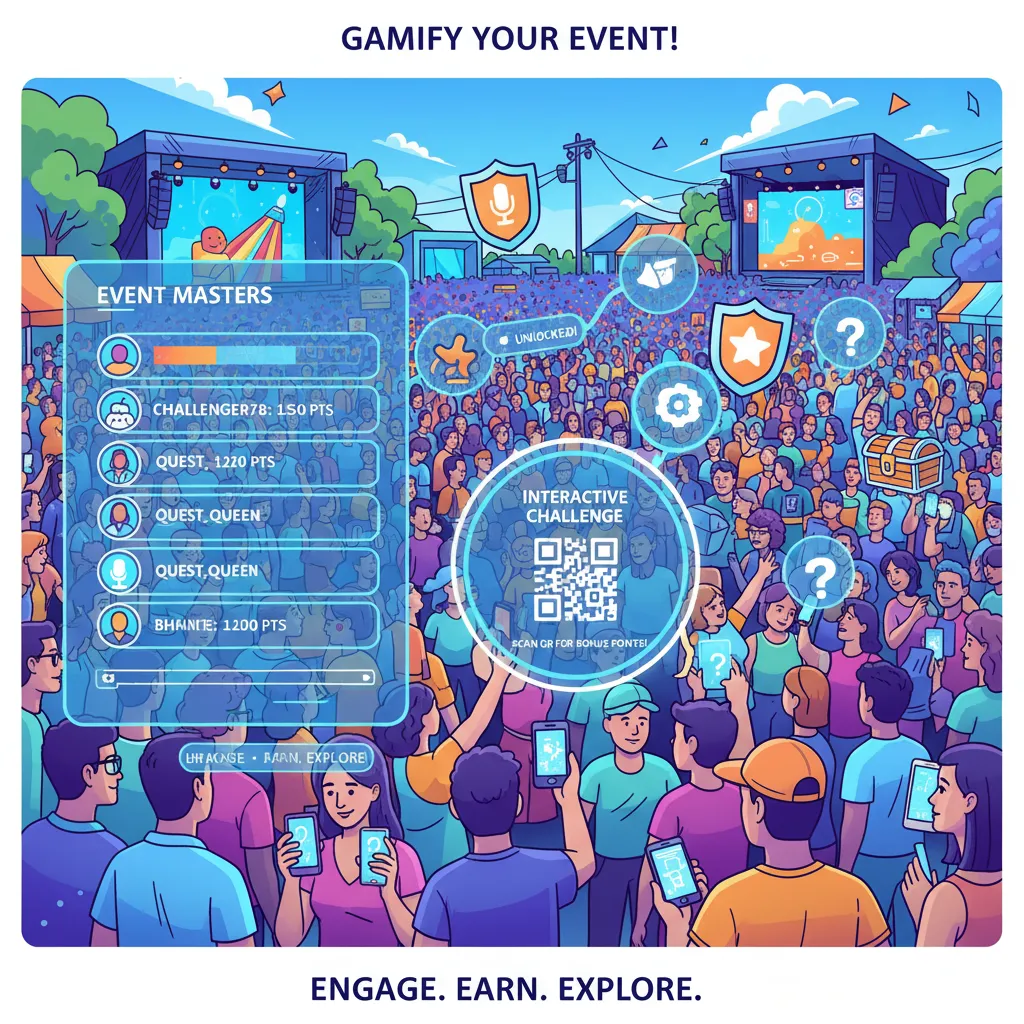
Gamification strategies bring elements commonly found in games—such as scoring systems, progress indicators, and reward cycles—into the realm of event planning. Rather than passively listening to presentations or wandering exhibit halls, attendees become active participants, motivated by the chance to earn points, unlock achievements, and compete with peers. In today’s digital landscape, these mechanics can be delivered through mobile applications, on-site kiosks, or even printed game cards that guide interactions at each touchpoint. The ultimate goal is to create a sense of challenge and accomplishment that aligns with your event objectives, whether that means promoting networking, highlighting sponsors, or reinforcing educational content.
Successful gamification strategies also consider diversity in player types. Some attendees thrive on competition and climb leaderboards, while others appreciate collaborative tasks or creative challenges. By analyzing your audience’s preferences and crafting varied engagement pathways, you ensure that both introverts and extroverts find meaningful ways to participate. Today, data from participant interactions helps planners refine difficulty levels and reward types in real time. This adaptability sets modern events apart from static formats, making them more memorable and shareable on social media platforms.
Benefits for Event Planners and Attendees
When implemented thoughtfully, gamification strategies offer a range of advantages for both organizers and participants. For event planners, one immediate benefit is increased attendee attention. Interactive elements encourage people to move purposefully through the venue, visit exhibitor booths, and join breakout sessions they might otherwise skip. These behaviors translate into higher session attendance rates and improved foot traffic analytics, enabling sponsors to see tangible returns on their investment. In addition, live leaderboards and point tallies create buzz, fostering a positive atmosphere throughout the agenda.
From the attendee’s perspective, a gamified environment transforms networking from a mundane task into an engaging adventure. Collaborative challenges and team-based quests break down social barriers, encouraging meaningful conversations and long-term connections. Earning digital badges and virtual rewards satisfies intrinsic motivations, providing attendees with visible proof of their achievements. Over time, this sense of progress can drive loyalty to a brand or community, extending engagement well beyond the event itself.
Moreover, the data generated through these interactive journeys—ranging from session attendance logs to real-time quiz responses—arms marketers with actionable insights. Planners can analyze which topics attract the most participation, identify high-impact sponsors, and tailor future experiences based on attendee interests. In this way, gamification strategies serve as both an engagement tool and a rich source of business intelligence, making them indispensable in today’s competitive landscape.
Furthermore, by integrating personalized challenges that adapt to individual progress, you create a dynamic environment where each participant feels valued. This level of personalization has been linked to higher satisfaction scores in peer-reviewed studies, including research conducted by the U.S. Small Business Administration at https://www.sba.gov. As a result, gamification not only amplifies immediate engagement but also fosters long-term community growth and brand advocacy.
Designing Effective Game Mechanics for Audience Engagement
Aligning Mechanics with Goals
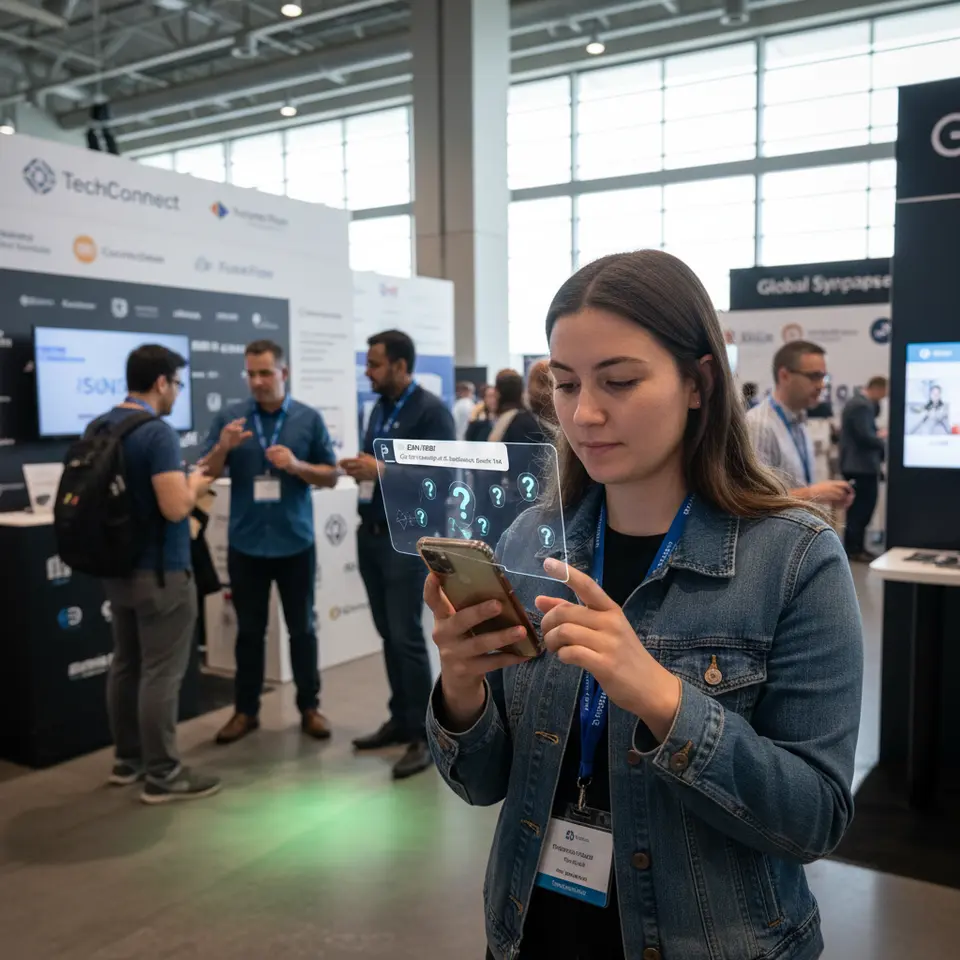
Effective gamification strategies begin with clear, measurable objectives that reflect your broader marketing goals—whether that means increasing session attendance, driving booth visits, or boosting social media engagement. By mapping each game element to a specific outcome, you can demonstrate return on investment (ROI) and refine your tactics in real time. For instance, awarding points for digital check-ins encourages participation in keynote presentations, while bonus points for event app tutorials ensure users understand how to navigate challenges. Collaborating with sponsors and speakers during this planning phase guarantees that each task feels relevant and rewarding to attendees.
In addition, immediate feedback and thoughtfully structured rewards are essential for sustaining motivation. Incorporate progress bars, pop-up notifications, and visual milestones into your event app to let participants see their growth as they move through each challenge. Tangible items like branded merchandise can recognize top performers, while intangible perks—such as exclusive networking sessions—appeal to those seeking deeper connections. By offering a balanced mix of incentives, you cater to diverse attendee motivations and ensure that your gamification strategies resonate across the entire audience.
Balancing Competition and Collaboration
Competition can drive motivation, but too much rivalry risks alienating participants who prefer cooperative experiences. When planning gamification strategies, find a balance by blending individual leaderboards with team-based quests. Leaderboards showcase top achievers and cater to competitive personalities, while collaborative tasks build camaraderie and support less outgoing attendees. Consider grouping participants into teams for specific challenges, incentivizing them to work together to solve puzzles or complete scavenger hunts. This hybrid approach fosters both friendly competition and meaningful networking.
Additionally, applying adaptive difficulty can help maintain engagement across skill levels. For example, beginner-level challenges might involve simple QR code scans or opinion polls, while advanced tasks could require creative submissions or extended networking missions. By tiering difficulty, you ensure that everyone can participate comfortably, gradually encouraging attendees to take on more complex tasks as they gain confidence. Transparency in rules and clear instructions also play a crucial role. Provide tutorials or demonstration videos within your event app to guide users through each game mechanic, reducing friction and maximizing participation.
Finally, keep an eye on real-time metrics to identify if certain tasks are too easy or too challenging. Adjust the point values or introduce bonus rounds dynamically to maintain excitement. This agile approach to balancing competition and collaboration lies at the heart of successful gamification strategies, ensuring that each attendee finds their ideal level of engagement.
Implementing Gamification Tools and Technologies
Choosing the Right Platform
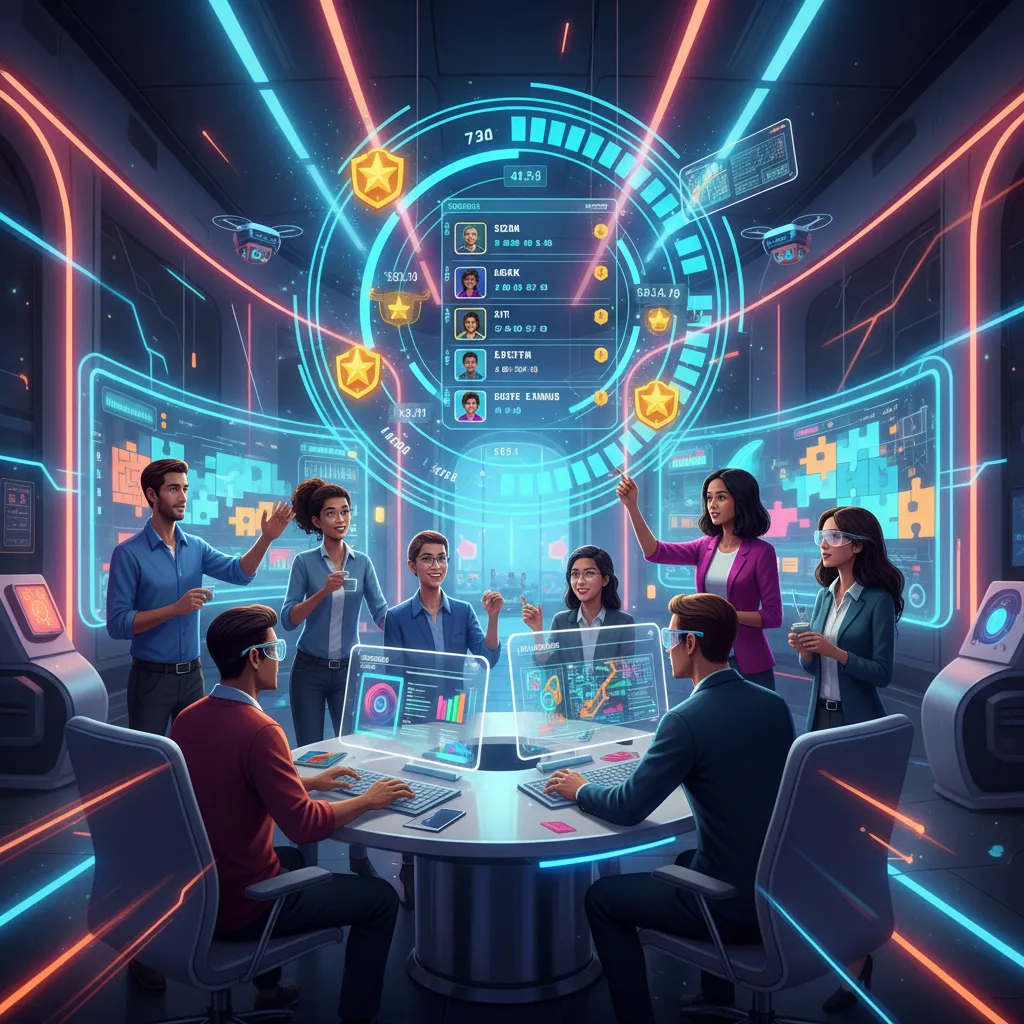
Selecting the appropriate technology is a critical step in bringing your gamification strategies to life. Today, event planners can choose from a variety of platforms—ranging from dedicated gamification suites to all-in-one event management systems. When evaluating solutions, look for features such as scalable leaderboards, real-time analytics dashboards, and flexible API integrations. These capabilities enable you to track participant behavior, adjust point values on the fly, and generate post-event reports that align with stakeholder requirements.
For organizations seeking academic insights into player motivation and behavior, research from institutions like Stanford University offers valuable guidance. Visit to explore studies on game design principles and cognitive engagement. Meanwhile, government agencies such as the U.S. Small Business Administration (SBA) highlight best practices for blending interactive marketing models with business objectives. By grounding your selection process in both theoretical frameworks and practical use cases, you can identify a platform that scales with your audience and supports a variety of challenge types.
Integrating Mobile Experiences
Mobile applications have become the primary interface for event-based gamification. A well-designed event app consolidates all game mechanics—points, quizzes, scavenger hunts, and more—into a single, user-friendly environment. Prioritize an app with offline capabilities and seamless synchronization, ensuring that attendees can participate even when network connectivity is limited. Features such as location-based triggers, push notifications, and augmented reality (AR) overlays can transform physical spaces into interactive playgrounds.
When planning mobile integrations, consider user experience at every step. Implement intuitive tutorials and tooltips that guide participants through new features. Leverage geofencing to trigger challenges as attendees move between areas, encouraging exploration and on-site engagement. For example, scanning AR codes near sponsor booths can unlock hidden puzzles, driving traffic and creating memorable brand interactions. Additionally, incorporate social sharing tools that allow users to broadcast achievements directly to their networks, expanding your event’s reach beyond the venue.
To ensure smooth deployment, partner with a provider that offers robust technical support and clear documentation. Conduct testing sessions with small user groups to uncover potential UX issues and gather feedback before launching to the full audience. By marrying thoughtful design with reliable mobile infrastructure, you can execute gamification strategies that feel effortless, yet deliver powerful engagement results.
Engaging Attendees with Interactive Experiences
Live Polls and Quizzes
Live polls and quizzes are a versatile way to inject excitement into presentations and maintain high attention levels. By embedding short, multiple-choice questions into sessions, you invite participants to test their knowledge and receive instant feedback. Gamification strategies that incorporate timed quizzes with real-time leaderboards can spark friendly competition, encouraging attendees to stay focused and actively engage with speaker content. Utilize multimedia elements—images, video clips, or audio snippets—to enhance question complexity and appeal to different learning styles.
Deploy these interactive features through an event app or a web-based tool, ensuring compatibility across devices. Provide clear instructions at the start of each session, and consider awarding bonus points for streaks—multiple correct answers in a row—to motivate continued participation. After the activity, share insights with the audience, highlighting common knowledge gaps and areas of excellence. This level of transparency not only reinforces learning objectives but also positions your brand as committed to delivering value-packed experiences.
Digital and Physical Challenges
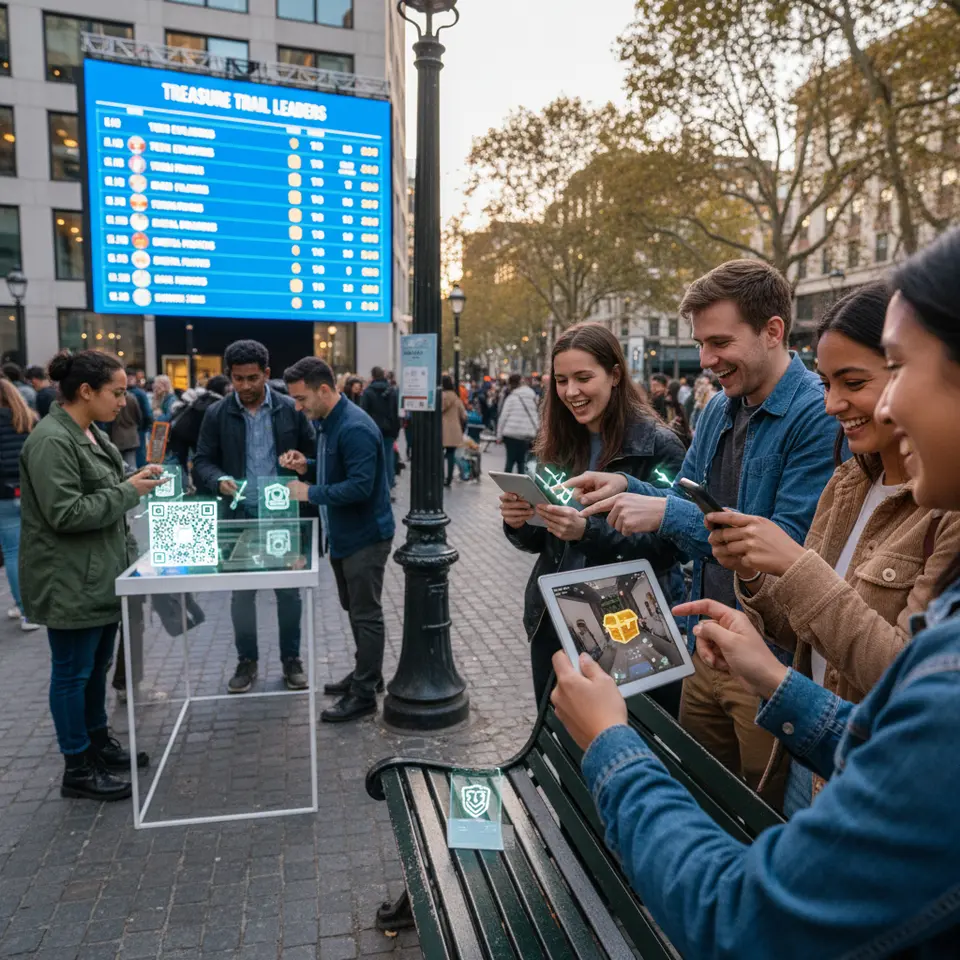
Beyond quizzes, combining digital tasks with real-world scavenger hunts can create a dynamic, multi-layered experience. Digital challenges may include virtual puzzles, AR treasure hunts, and social media missions that require attendees to post photos or check in at geotagged locations. Meanwhile, physical tasks—such as station visits, product demonstrations, or sample collections—encourage exploration of the event floor. Each completed task can reward participants with points or digital badges that appear instantly on a public leaderboard display.
Blending these modalities ensures diversity in engagement options and caters to a wide range of preferences. For example, tech enthusiasts might gravitate toward AR-based clues, while those who prefer face-to-face interaction will enjoy guided networking quests. To streamline participation, group tasks by difficulty level or theme, creating clear pathways that guide users through a curated adventure. Offer hints and real-time support through app messaging or staffed help desks to keep momentum high. Ultimately, these interactive experiences elevate the sense of discovery, foster memorable connections, and embody the most impactful gamification strategies deployed in today’s events.
Measuring Success and Optimizing Gamification Outcomes
Key Performance Indicators
Evaluating the impact of gamification strategies requires a clear set of key performance indicators (KPIs). Core metrics often include participation rate (the percentage of attendees engaging with game features), session attendance increases, and the volume of social media interactions tied to branded hashtags. Tracking networking behavior—such as the number of new connections made or meetings scheduled—provides insight into how effectively your challenges facilitate relationship building. Additionally, monitoring average session duration and time spent on gamified tasks reveals the stickiness of your content.
Leverage analytics built into your event technology to gather this data in real time. Many platforms offer customizable dashboards where you can visualize trends, benchmark performance against goals, and generate reports for sponsors and stakeholders. Ensure that data collection complies with privacy regulations and that participants clearly understand how their interactions contribute to aggregated insights. By correlating these KPIs with revenue and lead-generation figures, you can calculate the precise return on investment for each gamification initiative.
Continuous Improvement
Once you have gathered post-event analytics, adopt an iterative approach to refine your gamification strategies. Conduct thorough debriefs with your marketing and operations teams to discuss what worked well and which elements fell short of expectations. Survey participants to collect qualitative feedback on usability, enjoyment, and perceived value. These insights will guide modifications to game mechanics, reward structures, and communication tactics.
Implement pilot runs of revised features at smaller gatherings or internal meetings to test new ideas before scaling up. Use A/B testing for alternate challenge formats—like timed quizzes versus open-ended puzzles—to determine which drives higher engagement. Document all findings in a central knowledge base, creating a repository of best practices that can be shared across your organization. By treating gamification as an evolving discipline rather than a one-time activity, you ensure that each subsequent event becomes more polished, data-driven, and aligned with attendee preferences in today’s digital environment.
Frequently Asked Questions
What types of events benefit most from gamification?
Conferences, trade shows, and virtual summits all thrive with gamified elements. These strategies are particularly effective for guiding attendee behavior, such as increasing booth visits or session attendance, while collecting valuable engagement data.
How do I choose the right gamification platform?
Focus on features like real-time analytics, scalable leaderboards, and seamless mobile integration. It is also helpful to evaluate brand positioning in marketing to ensure the platform’s aesthetic aligns with your event’s identity.
What are the best practices for maintaining interest throughout an event?
Offer a variety of challenges, including individual tasks and team-based quests. Use “drip-fed” rewards and real-time notifications to provide immediate feedback, keeping the momentum high from the opening keynote to the final session.
Can gamification improve my influencer marketing results?
Yes. You can create specific “Influencer Quests” where attendees earn points for engaging with a creator’s content or attending their workshop. This clearly demonstrates how influencer marketing drives specific, measurable on-site actions.
Is gamification suitable for professional B2B summits?
Absolutely. For high-level summits, focus on “knowledge-based” gamification, such as expert trivia or networking missions. This maintains luxury brand marketing standards while encouraging the high-value connections that B2B attendees crave.
How does gamification help with sustainable branding strategies?
You can incentivize eco-friendly behavior, such as using digital business cards or opting for water refill stations. This turns sustainable branding strategies into an interactive challenge, rewarding attendees for helping reduce the event’s environmental footprint.
How do I evaluate the ROI of a gamified event?
Track key metrics like participation rates, the number of new leads generated via game tasks, and social media reach. Use Google Analytics to see how game-driven traffic converts on your post-event offer pages.
What is “micro-influencer marketing” in the context of event games?
It involves using niche creators to lead specific game challenges or “clans.” Because micro influencer marketing focuses on high engagement, these creators can motivate their followers to participate more deeply in the event’s interactive elements.
Can gamification help uncover “the truth behind branded sustainability”?
Yes. By creating “Fact-Check” quizzes about your green initiatives, you transparently share data. This helps prevent claims of “greenwashing” and ensures your brand perception is rooted in verifiable on-chain or audited facts.
What is the major objective of all brand marketing in gamification?
The major objective of all brand marketing here is to build long-term loyalty. By creating a positive, playful association with your brand, you convert passive attendees into active advocates who are more likely to return for future events.
Conclusion
In today’s fiercely competitive event landscape, integrating gamification strategies offers a proven path to transforming ordinary gatherings into highly engaging, data-rich experiences. By clearly defining objectives, designing intuitive game mechanics, and selecting the right technological platforms, you can create interactive journeys that delight attendees and deliver measurable business outcomes. From live quizzes and leaderboard contests to immersive AR scavenger hunts, the possibilities for boosting participation and fostering lasting brand connections are virtually limitless.
As you implement these tactics, remember to monitor key performance indicators—such as participation rates, session attendance lift, and social media engagement—to quantify success and inform future iterations. Soliciting attendee feedback and conducting pilot tests will help refine challenges, fine-tune reward structures, and maintain the ideal balance between competition and collaboration.
Embracing an agile mindset and staying informed about emerging trends—such as ‘AI-driven personalization or blockchain-based token rewards’—will keep your approach at the cutting edge. With thoughtful execution and a data-centric mentality, your next event can set a new standard for interactive engagement in today’s digital environment.
Begin by selecting one or two core gamification strategies to pilot at your next event, then scale successful mechanics across larger programs. This incremental approach minimizes risk and maximizes learning, ensuring each iteration outperforms the last.