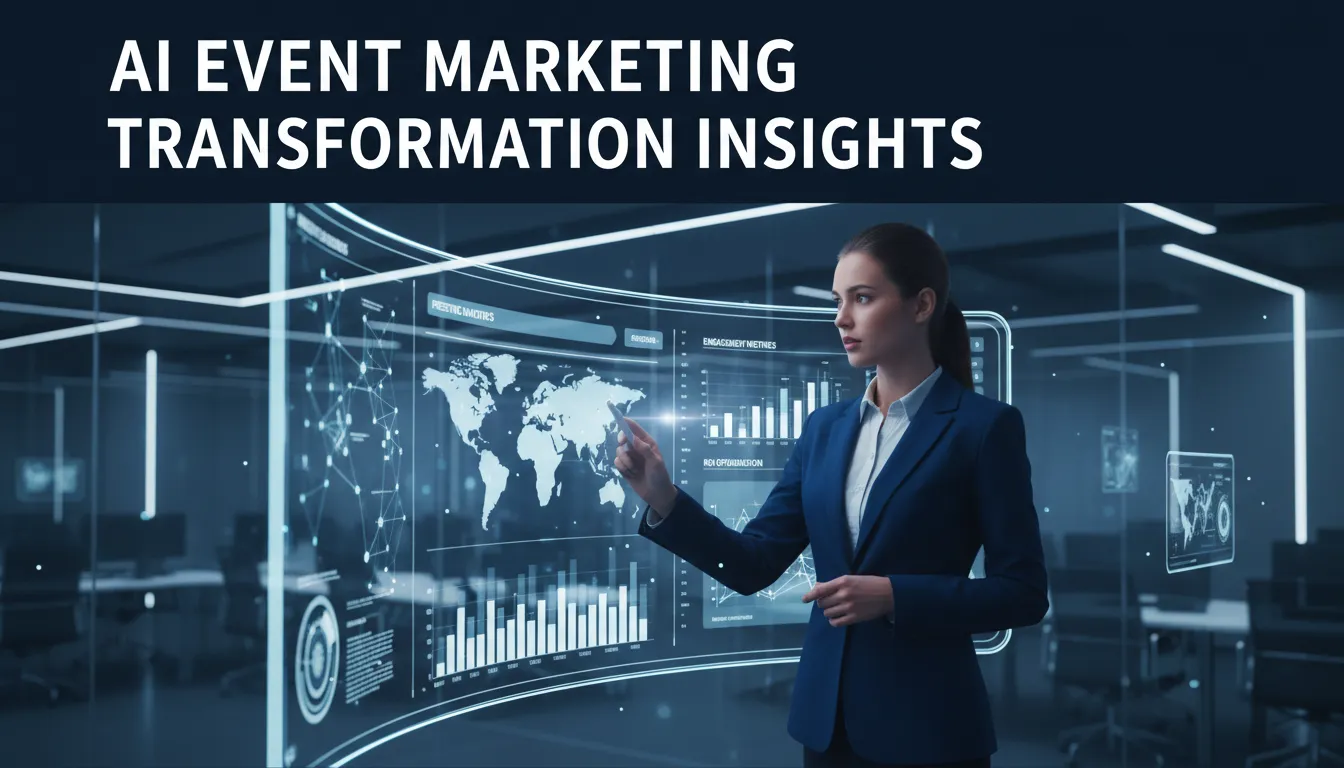
This article explores how artificial intelligence revolutionizes the way we promote and manage gatherings. You will discover actionable strategies for personalization, automated content creation, and predictive analytics. By mastering these tools, you can boost registrations, save time, and deliver massive value to your attendees.
Are you struggling to capture audience attention? The benefits of AI in event marketing offer a clear path to higher engagement, packed pipelines, and unforgettable experiences.
The Evolution of Event Promotion

Marketing a conference or webinar requires more than just sending a few emails. Attendees expect tailored experiences. They want relevant sessions, targeted networking, and seamless communication. Artificial intelligence steps in as your ultimate assistant, handling complex data while you focus on strategy.
Whether you manage massive trade shows or intimate workshops, integrating smart algorithms changes the game. You no longer have to guess what your audience wants. The technology tells you exactly how to reach them, when to engage, and what messages convert best.
Why the Shift Matters Now
Organizers face tighter budgets and higher expectations. Standing out requires precision. Machine learning models analyze thousands of data points instantly, revealing hidden patterns in registration behavior. This shift moves teams away from manual guesswork toward data-driven execution.
Mini-Conclusion: Adopting smart tech is no longer optional. It serves as the foundation for modern, high-converting promotional strategies.
Core Advantages and Impact
The true power of this technology lies in its versatility. Let us break down the specific advantages that revolutionize your workflow.
Hyper-Personalized Attendee Experiences
Generic blasts ignore individual needs. Algorithms analyze past behavior, ticket purchases, and session attendance to craft unique journeys. When a user registers, the system automatically suggests relevant speakers, exhibitors, and networking matches.
This level of customization makes attendees feel valued. It increases session attendance and drives higher satisfaction scores. You can easily integrate these personalized tracks into your virtual event planning workflows.
Streamlined Content Creation
Writing promotional copy drains resources. Generative tools act as your creative partner. They instantly draft social media captions, write event email marketing sequences, and design landing page copy.
You maintain editorial control while the software handles the heavy lifting. This allows your team to launch campaigns weeks faster. According to McKinsey, generative models significantly accelerate creative workflows, allowing marketers to test multiple variations of an ad in minutes.
Predictive Analytics for Better Decisions
Will your upcoming summit hit its registration goals? Predictive models analyze historical data to forecast attendance accurately. They identify which marketing channels drive the highest ROI and which demographics convert fastest.
If ticket sales lag, the system alerts you early. You can pivot your ad spend, adjust your messaging, and launch targeted retargeting campaigns before it is too late.
Mini-Conclusion: Leveraging automation transforms raw data into actionable growth, ensuring every marketing dollar works harder.
Step-by-Step Guide to Implementing AI Tools
You do not need an IT degree to leverage these platforms. Follow this straightforward framework to upgrade your promotional engine.
Step 1: Define Your Strategic Goals
Identify your biggest bottlenecks. Do you struggle with slow ticket sales? Is content creation taking too long? Pinpoint the exact metric you want to improve. This clarity helps you select the right software.
Step 2: Choose the Right Platforms
Evaluate tools based on your specific needs. Look for systems that integrate smoothly with your existing CRM and ticketing software. Prioritize user-friendly dashboards and responsive customer support.
Step 3: Run Targeted Pilot Campaigns
Do not overhaul your entire strategy overnight. Start small. Use an AI copywriter to draft your next newsletter or deploy a chatbot on your registration page. Measure the results against your historical benchmarks.
Step 4: Analyze and Scale
Review the data from your pilot campaigns. If the chatbot increased conversions, expand its capabilities. If the automated emails drove higher open rates, apply that framework to your entire communication strategy.
Mini-Conclusion: A phased rollout minimizes risk while allowing your team to build confidence with new technology.
Comparison: Traditional vs. AI-Powered Strategies
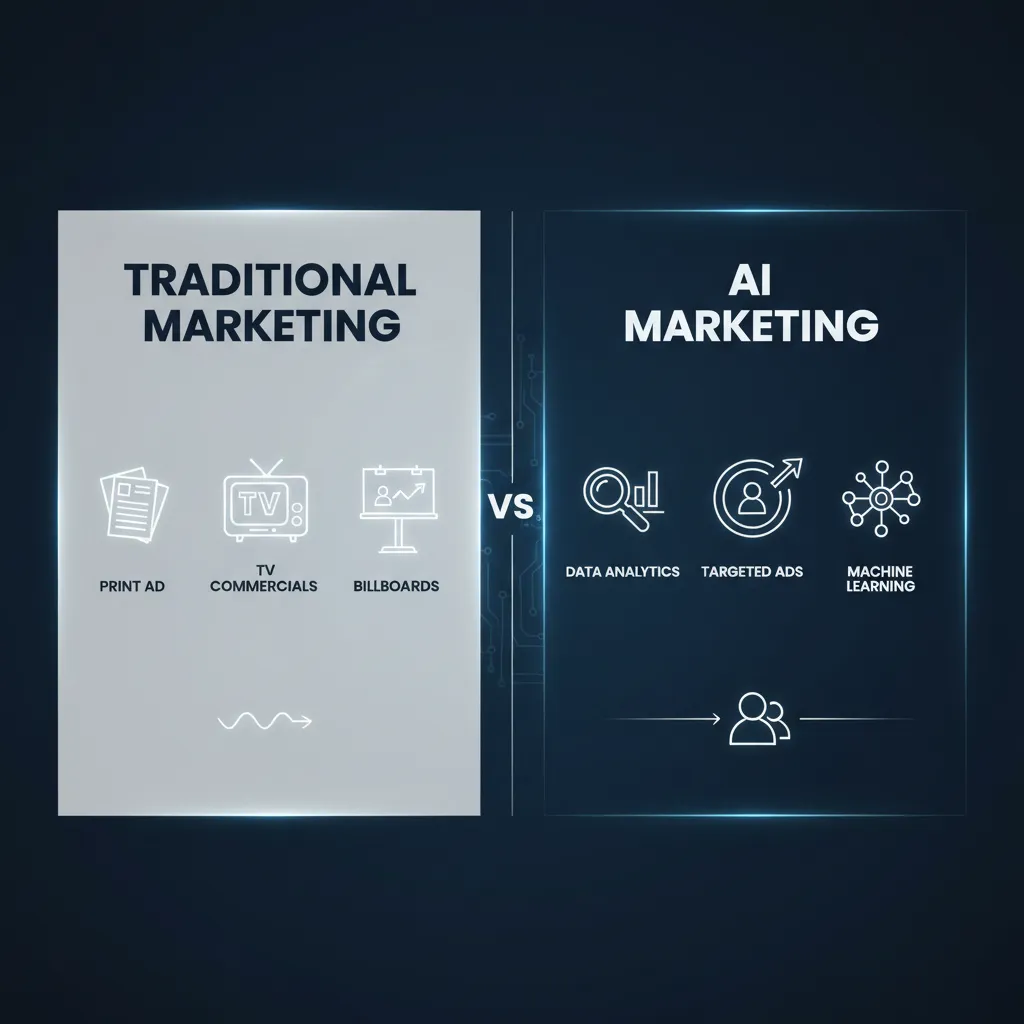
Understanding the contrast helps highlight the massive efficiency gains.
|
Feature |
Traditional Marketing |
AI-Powered Marketing |
|---|---|---|
|
Content Creation |
Takes days to write and approve |
Generates multiple drafts in seconds |
|
Audience Targeting |
Broad segments based on basic demographics |
Hyper-specific targeting based on behavioral data |
|
Customer Support |
Manual email replies during business hours |
24/7 instant chatbot responses |
|
Data Analysis |
Manual spreadsheet sorting |
Instant predictive forecasting |
|
Networking |
Attendees search lists manually |
Smart algorithms suggest perfect matches |
Expert Tips for Maximizing ROI
To get the absolute best results, keep these proven tactics in mind:
- Feed the Machine High-Quality Data: Algorithms learn from the information you provide. Ensure your CRM data stays clean and updated.
- Maintain the Human Touch: Never publish automated content without a human review. Inject your unique brand voice to keep messaging authentic.
- A/B Test Relentlessly: Let the software generate five different email subject lines. Test them all to see what resonates with your specific audience.
- Utilize Smart Scheduling: Use algorithms to determine the exact time your audience is most likely to open emails and schedule deliveries accordingly.
Common Mistakes to Avoid
Even the best technology fails if used incorrectly. Avoid these frequent pitfalls:
- Relying Completely on Automation: Machines lack emotional intelligence. Leaving your audience to interact solely with bots damages relationships. Always offer a clear path to a human representative.
- Ignoring Data Privacy: You must protect attendee information. Ensure your tools comply with regulations like GDPR. Transparency builds trust. Gartner highlights that privacy compliance remains a top priority for consumer trust.
- Choosing Complex Tools Too Soon: Do not buy an enterprise-level predictive model if you only need a basic copy generator. Match the tool to your current maturity level.
- Forgetting to Update Prompts: Generative tools require specific, detailed instructions. Vague prompts yield generic results. Continuously refine how you ask the software to perform tasks.
Mini-Conclusion: Combining smart algorithms with careful human oversight guarantees a smooth, compliant, and highly engaging promotional cycle.
Conclusion
Embracing the benefits of AI in event marketing changes how you connect with audiences. You save countless hours, boost your registration numbers, and deliver deeply personal experiences that attendees love. Stop relying on outdated, manual processes. Audit your current workflow today, choose one automated tool to test this week, and watch your engagement soar!
FAQs
What are the main benefits of AI in event marketing?
The primary advantages include automating repetitive tasks, generating highly targeted promotional content, analyzing massive datasets for accurate forecasting, and creating deeply personalized experiences for every single attendee.
How does artificial intelligence improve ticket sales?
Algorithms track user behavior to identify individuals highly likely to convert. They then deploy targeted ads and personalized email follow-ups at the exact moment a prospect is most active, significantly boosting conversion rates.
Can algorithms help with networking at conferences?
Yes. Smart matchmaking software analyzes attendee profiles, interests, and goals to suggest highly relevant connections. This removes the friction of networking and helps attendees secure valuable meetings instantly.
Will automation replace human marketers?
No. Technology handles data processing and repetitive tasks, freeing human marketers to focus on high-level strategy, creative direction, and building genuine emotional connections with the audience.
How do chatbots enhance the attendee experience?
Chatbots provide instant, 24/7 answers to common questions regarding schedules, parking, and speaker bios. This immediate support reduces frustration for attendees and lightens the workload for your support team.
Is it expensive to implement these smart tools?
Not necessarily. While enterprise platforms require a significant investment, hundreds of affordable or free tools exist for small teams. You can easily find budget-friendly software for copywriting, scheduling, and basic analytics.
How do predictive analytics work in this industry?
Predictive models analyze historical data from your past gatherings alongside current market trends. They use this information to forecast ticket sales, anticipate no-show rates, and identify the most profitable marketing channels.
What is the best way to start using these platforms?
Begin by automating your most time-consuming task. If writing emails drains your day, implement a generative text tool. Test it, measure the results, and gradually introduce more advanced technology as your team adapts.
How does machine learning help with content creation?
Machine learning models study successful marketing copy to understand what drives engagement. You can prompt these models to instantly generate blog posts, ad headlines, and social media captions tailored specifically to your target demographic.
Do these tools pose a risk to data privacy?
They can if mismanaged. You must ensure any software you adopt complies with global data protection laws. Always inform your attendees about how you collect and use their data to maintain absolute transparency.