Event mobile marketing helps event organizers connect with audiences before, during, and after an event through smartphones and mobile channels. From SMS promotions and mobile advertising to personalized notifications and event apps, mobile strategies can increase awareness, registrations, engagement, and attendee communication. A well-planned mobile approach makes it easier to reach attendees at the right time while creating a more connected event experience.
What Is Event Mobile Marketing?
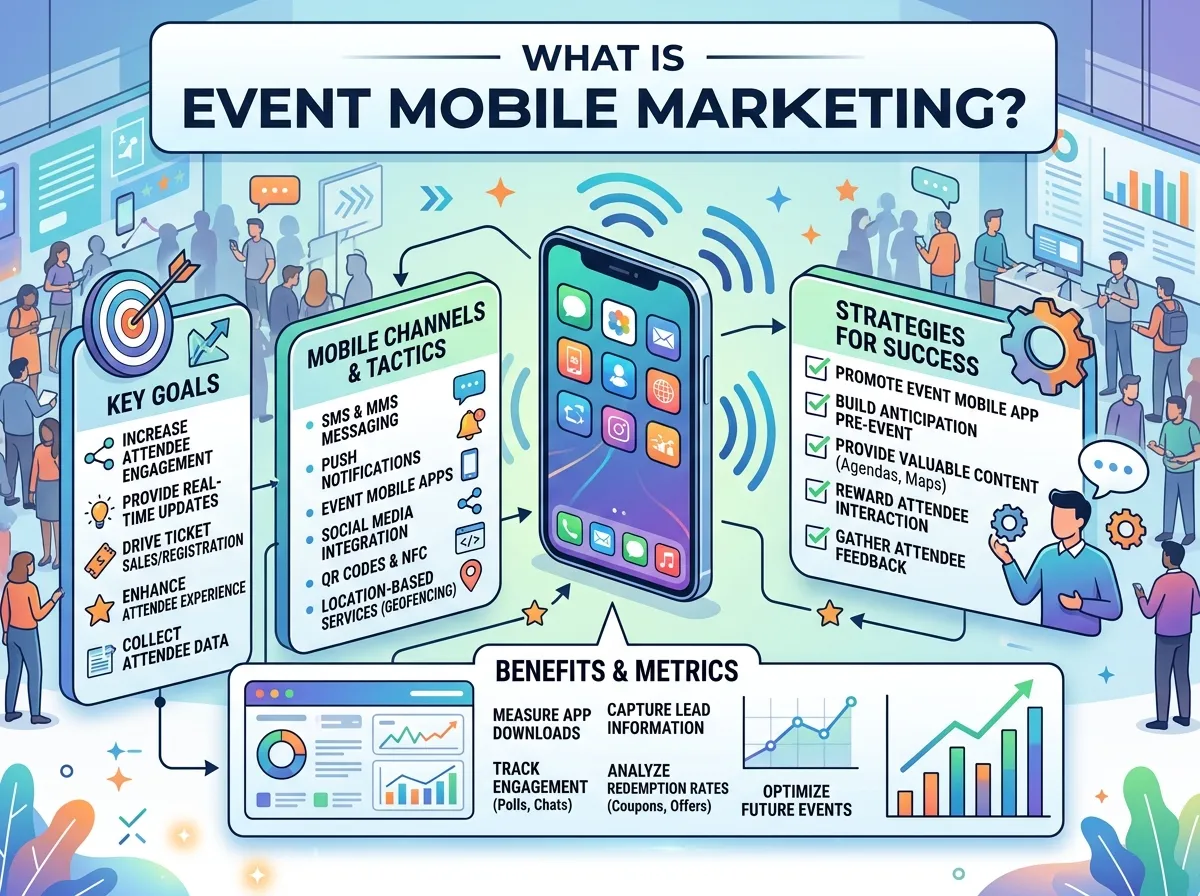
Event mobile marketing refers to the use of mobile devices and mobile communication channels to promote an event, communicate with attendees, encourage registrations, and maintain engagement throughout the event lifecycle. Since smartphones are a major part of how people discover information, communicate, and interact with brands, mobile has become an important channel for event marketers.
Unlike traditional event promotion, mobile marketing allows organizers to communicate directly with potential and registered attendees. Messages can be delivered through SMS, mobile apps, push notifications, mobile-friendly websites, social media, mobile advertising, and other smartphone-based channels. This creates opportunities to reach audiences before the event and continue the relationship during and after the experience.
Effective mobile marketing for events is not simply about sending promotional messages. It is about delivering useful and relevant information at the right moment. When mobile communication is planned around attendee needs, it can support registration, reminders, event discovery, networking, engagement, and post-event communication.
Why Event Mobile Marketing Matters
The popularity of smartphones has changed how people interact with event information. Potential attendees may discover an event through a mobile advertisement, visit the event website from their phone, register online, receive an SMS reminder, and check the event schedule from their mobile device. This makes mobile an important part of the overall event marketing journey.
An effective event mobile marketing strategy can connect different stages of the attendee experience. Before an event, mobile campaigns can create awareness and encourage registrations. As the event approaches, reminders can reduce missed registrations and improve attendance. During the event, mobile communication can help attendees find sessions, receive updates, interact with organizers, and participate in activities.
Mobile also gives marketers a more direct communication channel than many traditional promotional methods. Instead of waiting for someone to check an email or visit a website, marketers can use appropriate mobile channels to deliver timely information. This immediacy can be especially valuable when event schedules, locations, speakers, or session details change.
For organizers looking to strengthen the technology behind their campaigns, understanding broader Event Marketing Technology can help create a more connected attendee experience.
Building an Effective Event Mobile Marketing Strategy
A successful event mobile marketing strategy begins with understanding the audience. Different event attendees have different expectations, interests, and reasons for attending. A business conference audience may respond well to professional networking updates, while a consumer event audience may be more interested in entertainment, special offers, or interactive activities.
Audience segmentation makes mobile communication more relevant. Organizers can separate potential attendees, registered attendees, VIP guests, speakers, sponsors, and previous attendees into appropriate groups. Instead of sending every person the same message, marketers can deliver information based on the audience’s relationship with the event.
Timing is equally important. Too many messages can make attendees feel overwhelmed, while too few messages can result in missed opportunities. The most effective mobile communication focuses on useful information and delivers it when it has the greatest value.
Mobile messages should also have a clear purpose. A registration reminder, event announcement, speaker update, venue notification, or post-event thank-you message should provide something meaningful to the recipient. Clear messaging improves the chance that recipients will engage with the communication rather than ignore it.
Mobile Marketing for Event Promotion
Mobile marketing for event promotion can support awareness across the entire event lifecycle. Event organizers can use mobile-friendly landing pages, SMS campaigns, social media advertising, QR codes, push notifications, and mobile search campaigns to reach potential attendees.
A mobile-friendly registration experience is particularly important. If someone discovers an event on a smartphone but encounters a slow or difficult registration page, they may leave before completing the process. A simple mobile experience can reduce friction and make it easier for interested users to register.
Mobile promotion can also work effectively alongside other marketing channels. For example, an event advertisement on social media can lead users to a mobile registration page, while an SMS campaign can remind interested prospects to complete their registration. This combination creates a connected promotional journey rather than relying on one channel.
Mobile Event Marketing Campaigns
Mobile event marketing campaigns can take many forms depending on the event’s objectives. Some campaigns focus on registrations, while others aim to increase awareness, encourage engagement, or promote specific sessions and experiences.
Pre-event campaigns can introduce the event, highlight speakers, share important benefits, and encourage registration. As the event date approaches, mobile messages can create anticipation through countdowns, schedule announcements, and personalized reminders.
During the event, campaigns can become more interactive. Attendees might receive notifications about upcoming sessions, networking opportunities, special activities, or important announcements. Interactive mobile campaigns can also encourage attendees to participate in polls, surveys, contests, or other event activities.
After the event, mobile campaigns can maintain the relationship. Thank-you messages, feedback requests, content notifications, and follow-up offers can encourage attendees to stay connected with the organization.
Event SMS Marketing Strategy
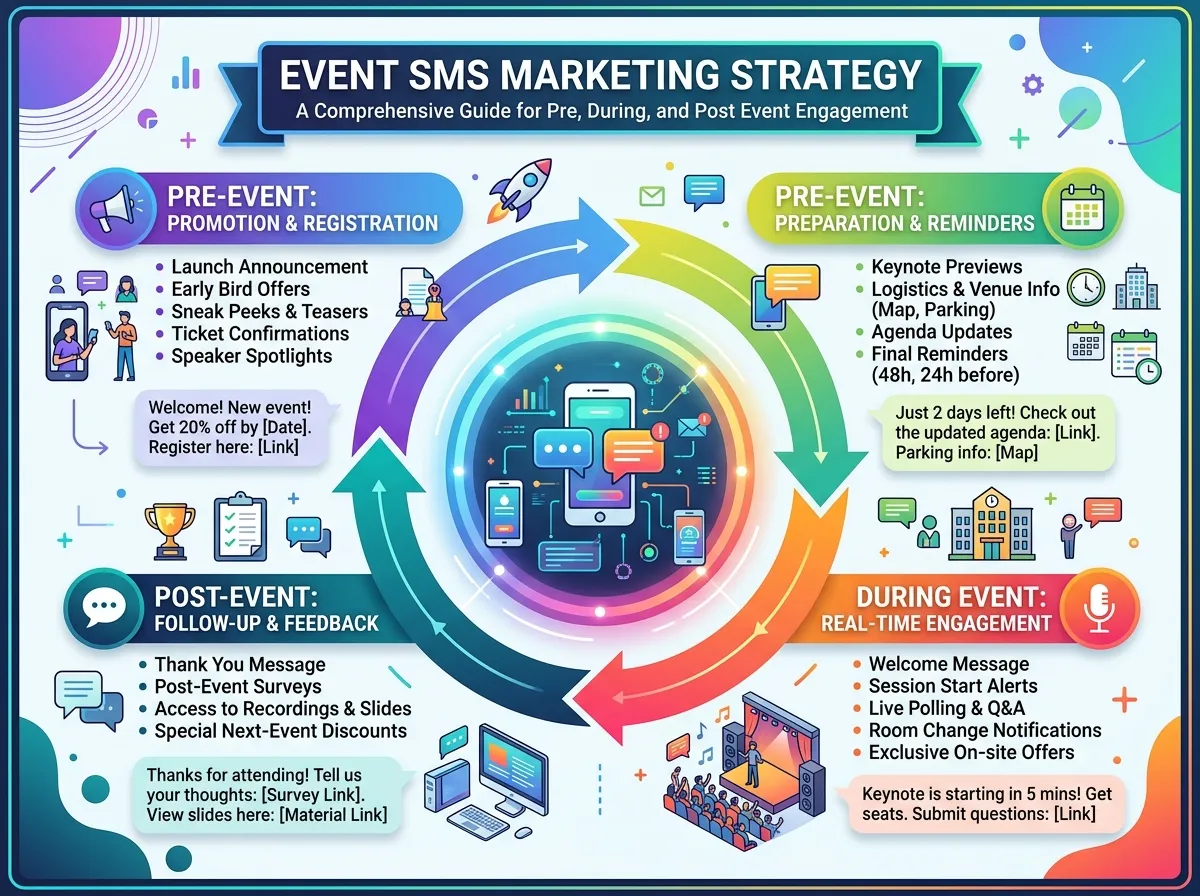
An event SMS marketing strategy can be particularly useful because text messages are direct and convenient. SMS can help organizers communicate important information such as registration confirmations, reminders, schedule updates, venue details, and last-minute announcements.
However, effective SMS marketing depends on relevance and permission. Attendees should understand what type of messages they may receive, and communication should respect applicable privacy and messaging requirements. Messages should also be concise and easy to understand.
For example, an organizer might send a reminder shortly before the event with the venue location and starting time. During the event, an SMS could notify attendees about a schedule change or important announcement. After the event, a short message could invite attendees to complete a feedback survey.
The value of SMS comes from its ability to deliver timely information without requiring attendees to search through multiple communication channels.
Improving Mobile Event Engagement
Mobile event engagement is about creating opportunities for attendees to interact with the event through their smartphones. Engagement can begin before attendees arrive and continue after they leave.
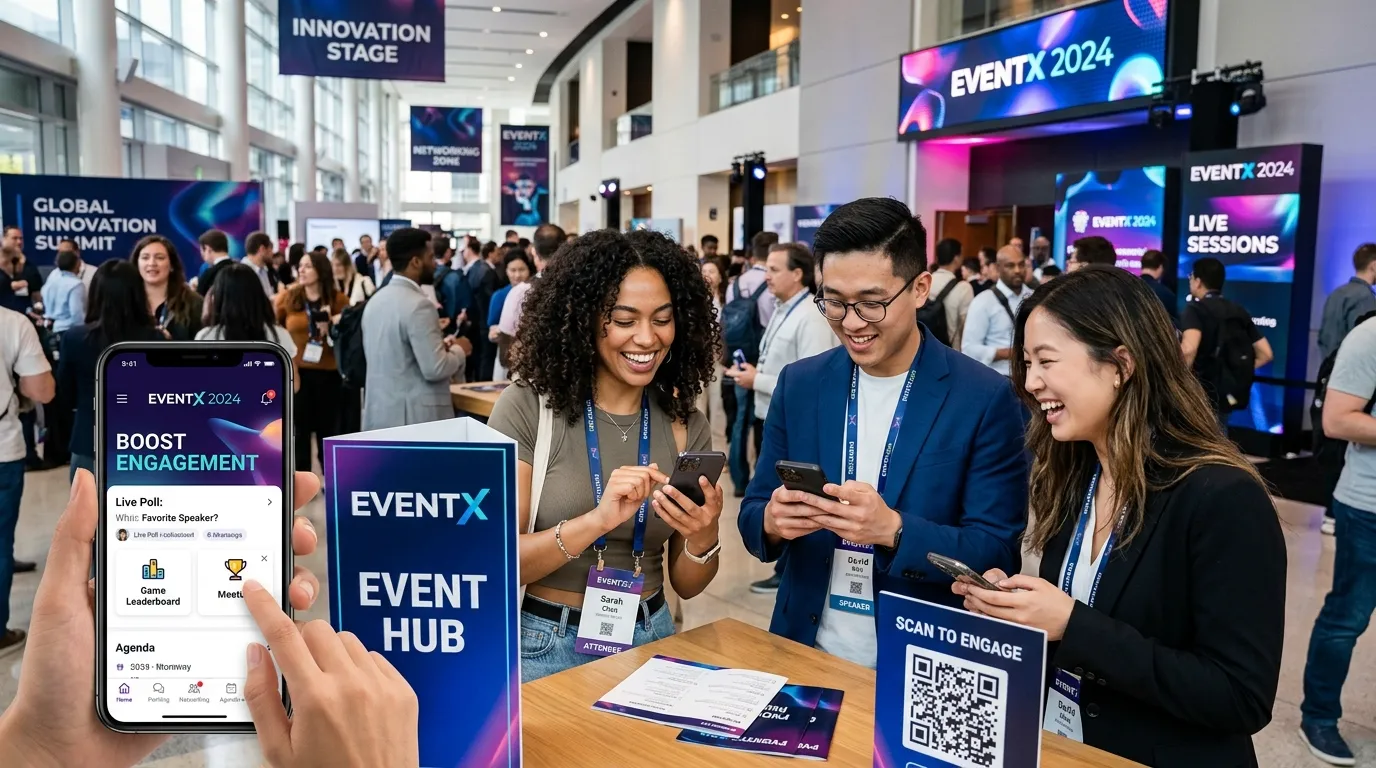
Mobile event apps can provide schedules, speaker profiles, maps, notifications, networking features, and personalized content. QR codes can also connect physical event experiences with digital content. Attendees might scan a code to access additional information, participate in a poll, download resources, or enter a promotional activity.
Interactive content can make mobile communication more valuable. Polls, surveys, quizzes, social sharing, and personalized notifications can turn smartphones from simple communication tools into part of the event experience.
The goal should not be to add technology simply because it is available. Mobile features should support the event’s objectives and make the attendee experience easier, more useful, or more engaging.
Mobile Event Promotion Ideas That Build Interest
There are many mobile event promotion ideas that can be adapted to different types of events. Countdown campaigns can create anticipation as the event approaches, while personalized messages can highlight sessions or speakers based on attendee interests.
Mobile-exclusive offers can also encourage registration. Organizers might provide early-access opportunities, special registration incentives, or exclusive event content through mobile campaigns. Social media promotions can complement these efforts by encouraging audiences to share event content with their networks.
Another effective approach is to use short-form mobile content. Speaker videos, event previews, testimonials, behind-the-scenes content, and quick announcements can work well on mobile devices and help potential attendees understand what they can expect.
When these ideas are connected to a broader event marketing strategy, mobile becomes more than a promotional channel. It becomes part of the overall attendee relationship.
Event Mobile Advertising
Event mobile advertising provides another way to reach potential attendees who may be interested in an event. Mobile ads can appear across search engines, social platforms, websites, apps, and other digital environments.
The effectiveness of mobile advertising depends heavily on targeting and message relevance. An event organizer promoting a professional conference, for example, can focus advertising on audiences with interests or behaviors related to the conference topic. Location-based targeting can also be useful for events where attendees are concentrated within a particular geographic area.
The landing page connected to an advertisement should be designed for mobile users. Fast loading, clear event information, strong calls to action, and simple registration can help turn advertising traffic into registrations.
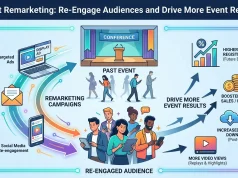
Mobile advertising can also support remarketing by reconnecting with people who previously visited an event website or interacted with promotional content.
Mobile Marketing for Event Attendees
Mobile marketing for event attendees should focus on usefulness rather than constant promotion. Once someone has registered, their communication needs change. They are likely more interested in practical information than general awareness messaging.
Organizers can use mobile channels to provide venue directions, schedules, speaker updates, session reminders, networking opportunities, and important event announcements. Personalized communication can make the experience even more relevant.
During an event, timely notifications can help attendees make better use of their time. A reminder about a session they selected, an announcement about a room change, or a notification about an upcoming networking activity can improve the overall attendee experience.
After the event, mobile communication can continue the relationship. Organizers can share recordings, presentation materials, feedback surveys, future event announcements, and relevant resources.
Event Marketing Through Mobile Channels
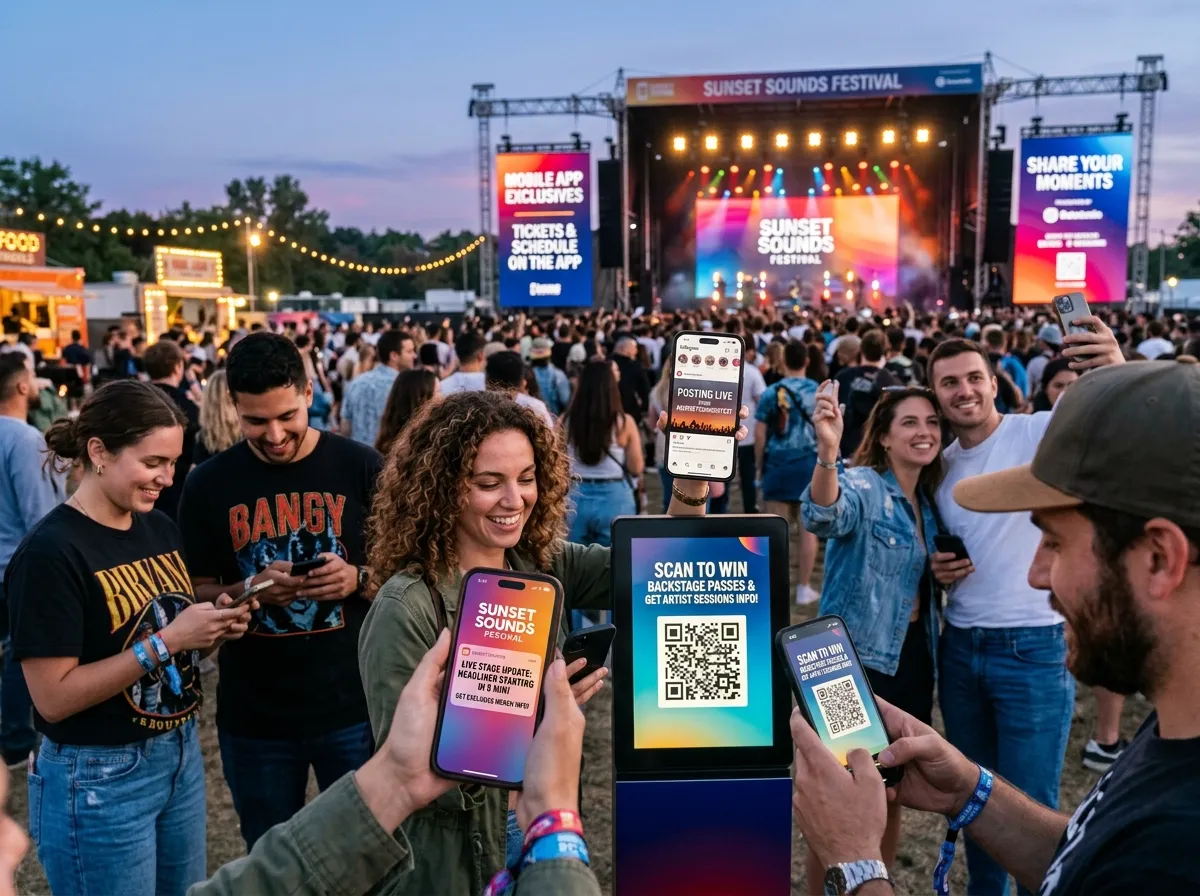
Event marketing through mobile channels works best when different mobile touchpoints support each other. SMS, mobile websites, apps, social media, push notifications, and mobile advertising can each serve different purposes within the same campaign.
For example, mobile advertising can generate awareness, a mobile landing page can support registration, SMS can provide reminders, and push notifications can support communication during the event. Afterward, mobile channels can help collect feedback and promote future experiences.
This integrated approach creates a more consistent attendee journey. Instead of treating each channel as a separate campaign, organizers can connect them around common goals and audience needs.
Mobile marketing can also complement sponsorship and partnership strategies. Sponsors may receive opportunities to appear within appropriate mobile experiences, promotional content, event apps, or attendee communications. A strong Event Sponsorship Strategy can help organizers create additional value for both attendees and sponsors.
Measuring the Success of Event Mobile Marketing
Measuring performance is essential for understanding whether an event mobile marketing campaign is producing meaningful results. Different campaigns require different performance indicators.
For registration-focused campaigns, marketers can evaluate mobile traffic, registration rates, conversion rates, and cost per registration. SMS campaigns can be evaluated through delivery, engagement, and conversion data. Mobile advertising can be assessed through impressions, clicks, click-through rates, conversions, and return on advertising investment.
Engagement-focused campaigns may use app interactions, notification engagement, poll participation, QR code scans, social interactions, or survey responses. Post-event campaigns can measure feedback participation, content downloads, repeat engagement, and registrations for future events.
The most useful measurement approach connects mobile activity with business and event objectives. High engagement is valuable, but marketers should also understand whether that engagement contributes to registrations, attendance, satisfaction, lead generation, sponsorship value, or other meaningful outcomes.
The Future of Event Mobile Marketing
Mobile marketing will continue to evolve as event technology becomes more connected and personalized. Organizers are increasingly able to combine attendee data, automation, mobile communication, digital advertising, and interactive experiences to create more relevant event journeys.
Emerging technologies can also create new possibilities. For example, mobile experiences can connect with virtual, augmented, or Web3-based event environments. Organizations interested in emerging approaches can explore Web3 Event Marketing to understand how newer technologies can support event engagement.
The strongest mobile strategies will remain focused on the attendee rather than the technology itself. Whether an organizer uses SMS, an app, advertising, QR codes, or interactive content, the purpose should be to make communication more relevant and the event experience more valuable.
Conclusion
Event mobile marketing gives event organizers a powerful way to connect with audiences throughout the event lifecycle. From mobile promotion and advertising to SMS communication, personalized notifications, and interactive experiences, mobile channels can support awareness, registration, attendance, engagement, and long-term relationships.
A strong strategy combines relevant messaging, thoughtful timing, mobile-friendly experiences, and meaningful measurement. When mobile communication is integrated with the broader event marketing strategy, it can create a smoother attendee journey and help organizers achieve stronger event outcomes.
The key is to focus on delivering useful information rather than simply increasing the number of messages. When every mobile interaction provides value, attendees are more likely to engage with the event and remain connected with the organization beyond the event itself.
Frequently Asked Questions
1. What is event mobile marketing?
Event mobile marketing is the use of smartphones and mobile channels to promote events, communicate with attendees, encourage registrations, and increase engagement. It can include SMS, mobile advertising, mobile websites, event apps, push notifications, QR codes, and social media.
2. Why is mobile marketing important for events?
Mobile marketing provides a direct way to communicate with potential and registered attendees. It can help increase event awareness, support registrations, provide timely reminders, improve engagement, and deliver important information before, during, and after an event.
3. What are the best mobile channels for event marketing?
The most useful channels depend on the audience and event objectives. SMS, mobile websites, event apps, push notifications, social media, mobile advertising, and QR codes can all contribute to an effective mobile marketing strategy when used appropriately.
4. How does SMS marketing help promote events?
SMS marketing can deliver registration reminders, event updates, venue information, schedule changes, and other important messages directly to attendees. Because SMS is a direct communication channel, it can be especially useful for time-sensitive event information.
5. How can mobile marketing increase event registrations?
Mobile marketing can increase registrations by reaching audiences through mobile advertising, social media, SMS, and mobile-friendly landing pages. A simple registration process combined with relevant messaging can make it easier for interested users to complete their registration.
6. What is mobile event engagement?
Mobile event engagement refers to interactions between attendees and an event through mobile devices. This can include app usage, push notifications, polls, surveys, QR code interactions, networking features, social sharing, and access to event content.
7. How can event organizers use mobile advertising?
Organizers can use mobile advertising to promote events across search engines, social platforms, apps, and websites. Targeting can be based on audience interests, behaviors, location, or previous interactions with event content.
8. How should organizers communicate with attendees through mobile?
Mobile communication should be timely, relevant, concise, and useful. Organizers can send reminders, schedules, venue details, session updates, networking opportunities, and important announcements while avoiding unnecessary or excessive messages.
9. How can event mobile marketing be measured?
Performance can be measured through mobile traffic, registrations, conversion rates, SMS engagement, advertising clicks, app interactions, QR code scans, survey participation, attendance, and other event-specific metrics. The most important metrics should connect mobile activity with the event’s broader goals.
10. What makes an event mobile marketing strategy successful?
A successful strategy combines audience understanding, relevant content, appropriate mobile channels, effective timing, personalization, mobile-friendly experiences, and consistent measurement. The focus should remain on providing value to attendees throughout the event journey.