Data-Driven Insights: Turning Mobile Engagement into Actionable Strategy
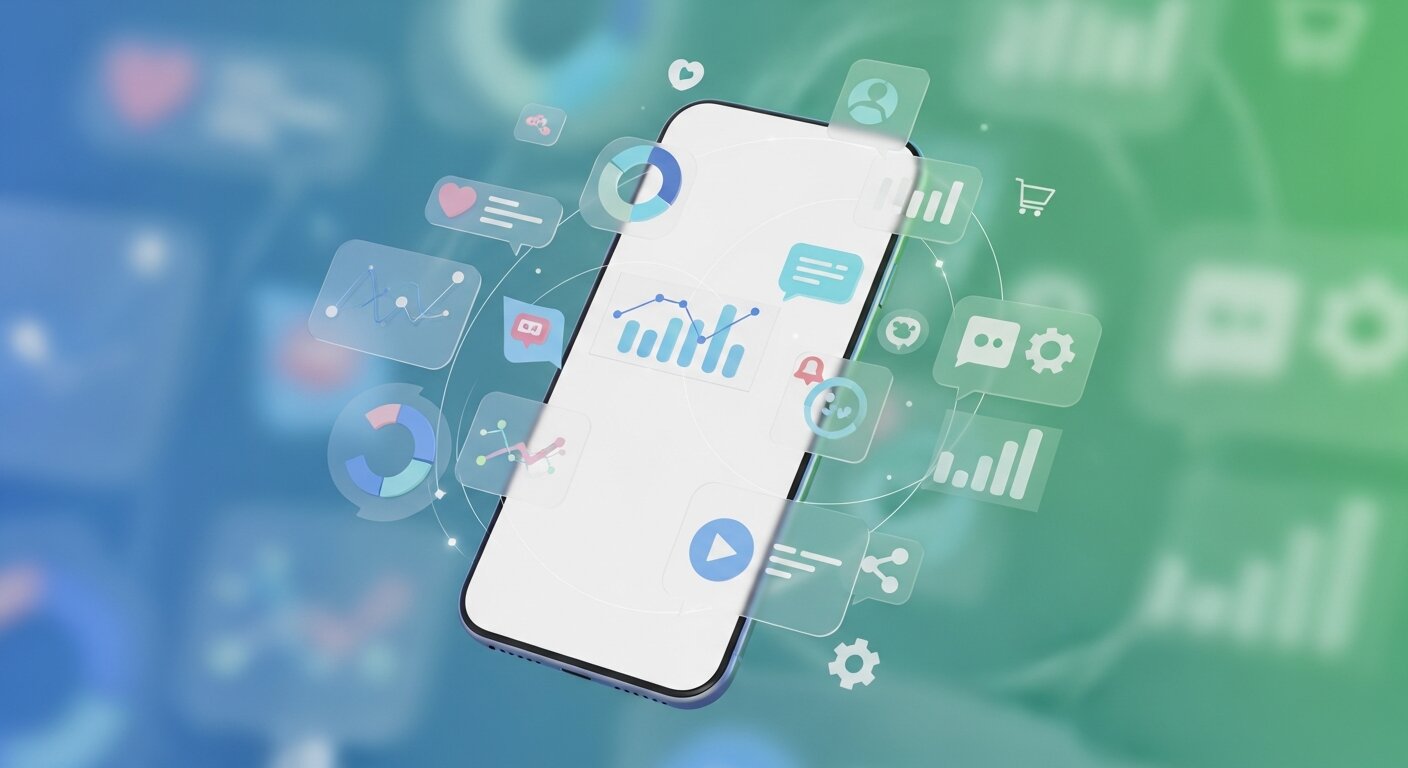
One of the most powerful advantages of Mastering Mobile Marketing for Events is the ability to collect and analyze real-time data. Every click on your event app, every SMS response, every QR code scan, and every push notification interaction provides valuable insights into attendee behavior. Instead of guessing what worked, organizers can rely on measurable performance metrics such as engagement rates, session popularity, dwell time, and conversion tracking.
By analyzing this data, you can identify which promotional channels drive the most registrations, which sessions attract the highest interest, and what type of content resonates most with your audience. These insights allow you to refine your future campaigns, personalize communication more effectively, and allocate marketing budgets with greater precision. In short, Mastering Mobile Marketing for Events transforms mobile engagement into a long-term growth strategy rather than a one-time promotional effort.
What Is Mobile Marketing for Events?
Mobile marketing for events is the strategic use of mobile-focused channels—such as event apps, SMS campaigns, social media platforms, push notifications, and mobile-responsive websites—to promote an event, engage attendees in real time, and deliver a seamless, personalized experience from start to finish. This approach ensures that communication, updates, and interactions happen directly on attendees’ smartphones, where they are most active. For a complete step-by-step plan, see Event Marketing Strategy Guide.
With mobile devices driving the majority of internet traffic, event organizers must meet their audience where they spend most of their time—on their phones. Effective mobile marketing for events allows organizers to send instant updates, share schedules, provide interactive maps, run live polls, and encourage social sharing during the event. Before the event, it helps build anticipation through reminders and targeted promotions. During the event, it enhances engagement with real-time notifications and networking features. After the event, it enables feedback collection, surveys, and follow-up campaigns to maintain long-term connections.
By integrating these mobile strategies, event planners can boost engagement, improve attendee satisfaction, gather valuable data insights, and ultimately increase the overall success and profitability of their events.
Why Mobile Marketing Matters for Events
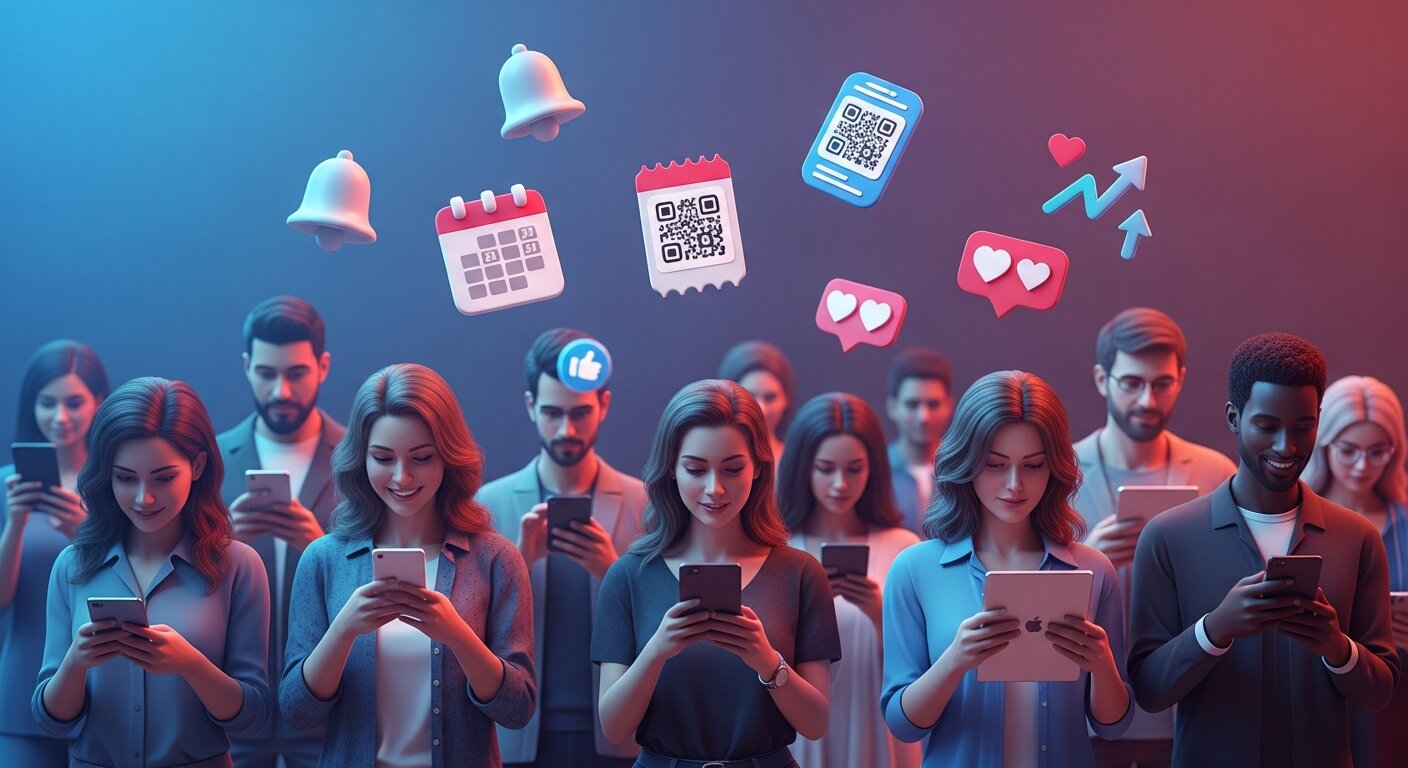
The importance of mobile marketing for events cannot be overstated. Here’s why:
- Smartphone Dominance: Over 85% of internet users access the web via their smartphones [source]. Your attendees will likely receive, research, and respond to event information on their mobile devices.
- Instant Communication: Mobile marketing enables real-time updates, ensuring attendees stay informed about schedule changes, session highlights, or special offers.
- Personalized Attendee Experience: Tools like push notifications, event apps, and geofencing allow you to create tailored experiences that resonate with individual attendees.
- Higher Engagement Rates: Mobile campaigns, such as SMS reminders, open rates as high as 98%, compared to email campaigns that average only 20% [source].
Now that you understand why mobile marketing is pivotal for event success, let’s break down how you can use it effectively.
Mobile Marketing Strategies for Event Success
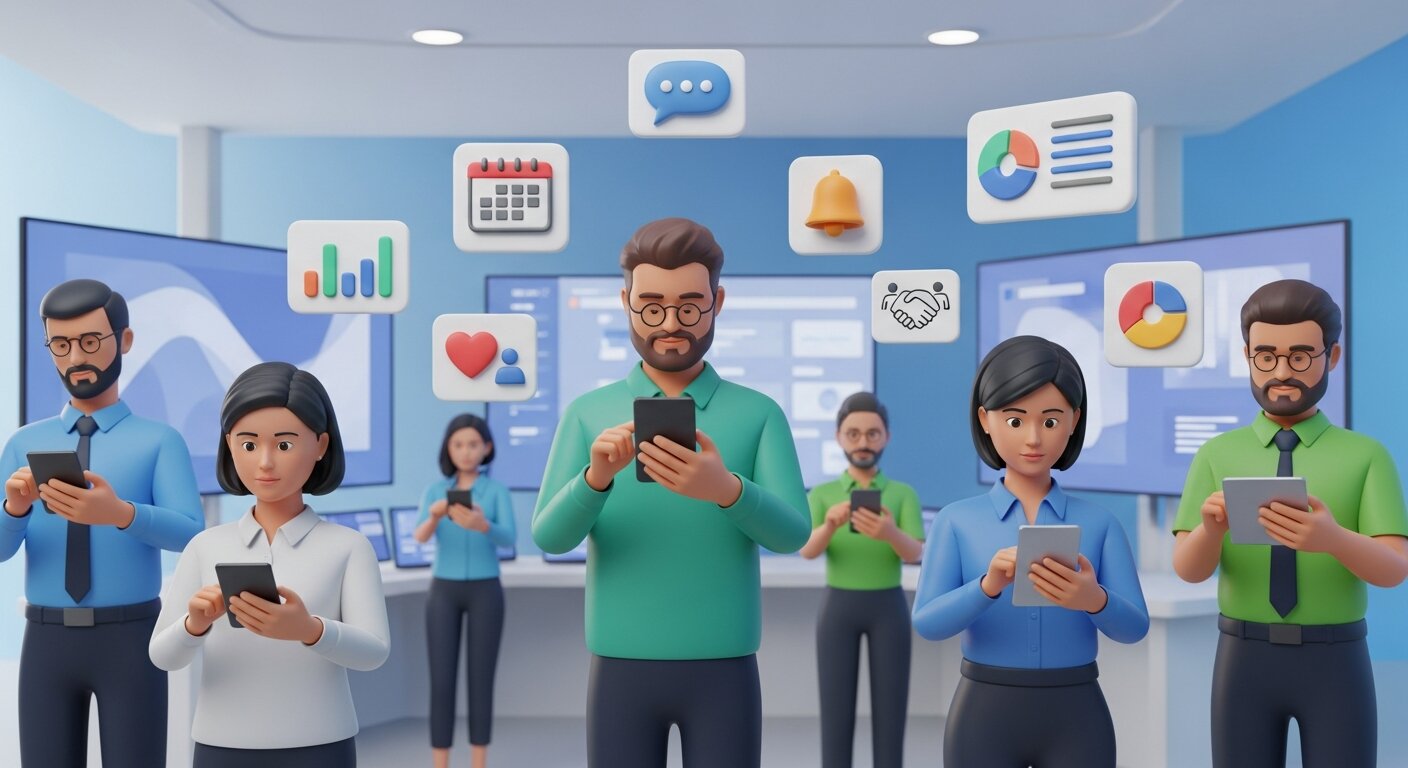
Optimize Your Event Website for Mobile
Your event website is your marketing hub. Make sure it’s mobile-friendly by focusing on:
- Responsive Design
Ensure your website adjusts seamlessly to different screen sizes. Visitors should be able to view event details, purchase tickets, and navigate easily, whether they’re on a phone, tablet, or desktop.
- Fast Loading Speed
Mobile users expect quick load times. Slow websites can lead to drop-offs, so optimize your site for speed using light images and efficient coding practices.
- Clear CTA Buttons
Make it effortless for visitors to register, buy tickets, or learn more about the event with prominent and clickable call-to-action buttons like “Get Tickets Now” or “Register Today.”
Use SMS Marketing to Keep Attendees Engaged
One of the most powerful aspects of mobile marketing is the immediacy of SMS campaigns. Some effective ways to use SMS include:
- Event Reminders
Send notification reminders with key event details like the start time, location, or parking instructions. Example text: “Hey [Name], the [Event Name] starts at 6 PM today. Don’t forget your ticket!”
- Exclusive Offers
Incentivize attendees with text-only discounts or promo codes. For example, “Flash Deal! Get 20% off your ticket to [Event Name] for the next 24 hours. Use code FLASH20.”
- Real-Time Updates
Alert attendees to any schedule changes, delays, or session adjustments. This strategy keeps the experience seamless and well-organized.
Promote Your Event via Social Media Ads
Social media platforms go hand-in-hand with mobile usage. With tools like Facebook Ads or Instagram Stories, you can target specific audiences and create buzz leading up to your event:
- Use Geo-Targeting
Promote your event to people in specific locations near your event venue.
- Create Story Ads
Design vibrant, engaging Instagram or Facebook Story ads with countdown timers to build anticipation.
- Include Shareable Content
Add buttons encouraging users to share your event details with their networks. Word-of-mouth marketing gets an extra boost when combined with mobile sharing options.
Build an Event App
An event app can offer unparalleled convenience for your attendees. Key features include schedules, push notifications, and networking tools. For broader planning strategies, see Mastering Event Management Marketing.
- Event Schedule
Include detailed agendas that attendees can personalize based on the sessions they plan to attend.
- Push Notifications
Use push notifications to remind attendees of important sessions or exclusive offers.
- Networking Features
Incorporate options like chat rooms or attendee matchmaking to enrich the networking experience through their mobile devices.
Engage Attendees With QR Codes
QR codes are making a comeback, and for good reason. They’re a simple, mobile-friendly way to engage with your attendees:
- Easy Registration
Use QR codes on physical or digital invites to make event registration as frictionless as possible. Scanning the code should take users directly to your event’s sign-up page.
- Interactive Experiences
Position QR codes throughout your venue that link to things like surveys, giveaways, or detailed session descriptions.
- Contactless Transactions
For ticket scanning, food purchases, or VIP lounge access, QR codes ensure touch-free convenience.
Leverage Geofencing During the Event
Geofencing technology lets you create a “virtual perimeter” around your event venue. Once attendees enter this space, specific mobile interactions can be triggered:
- Welcome Messages
Send attendees a personalized “Welcome to [Event Name]!” message as soon as they arrive at the event.
- Exclusive Deals
Target attendees on-site with pop-up offers or incentives. For example, you might offer a 10% discount on event merchandise.
- Navigation Assistance
Use geofencing to display venue maps or help attendees locate specific booths or sessions.
Collect Post-Event Feedback
Your mobile marketing strategy doesn’t end when the event is over. Use mobile tools to gather attendee feedback and improve future events:
- Follow-Up SMS or Emails
Send a thank-you message along with a survey link to collect valuable feedback about the event experience.
- Push Notifications
If you’re using an event app, use push notifications to gather reviews. For example, “How did we do? Tap here to rate your [Event Name] experience.”
Best Practices for Mobile Marketing in Events
When leveraging mobile marketing, remember these best practices to ensure success:
- Keep It Short and Sweet
Whether it’s SMS notifications or social media captions, concise messaging works best for mobile users.
- Test Before Launching
Preview mobile campaigns on multiple devices to confirm the design, layout, and functionality are flawless.
- Personalize, But Respect Privacy
Use attendee names or preferences in your campaigns when possible, but ensure compliance with data protection regulations like GDPR or CCPA.
Future Trends in Mobile Event Marketing
AI-driven personalization, augmented reality features, and hybrid/virtual event integration are transforming mobile engagement. Organizers who stay ahead in Mastering Mobile Marketing for Events ensure that attendees enjoy immersive, interactive, and highly relevant experiences. For AR-specific strategies, explore AR Event Marketing Strategies Guide. Instead of sending broad messages to everyone, AI can analyze engagement patterns in real time and trigger customized notifications that increase participation and satisfaction.
Augmented reality (AR) is also becoming a powerful feature within event apps, offering immersive experiences such as interactive venue maps, virtual product demonstrations, and gamified sponsor activations. Meanwhile, advanced geolocation and beacon technology allow organizers to send context-aware messages when attendees enter specific areas of the venue—enhancing navigation, promoting nearby booths, or delivering exclusive on-site offers.
Hybrid and virtual event formats further emphasize the importance of mobile accessibility. Mobile devices now serve as the primary gateway for live streaming sessions, interactive chat discussions, Q&A participation, and real-time polling. Attendees expect seamless access across devices, whether they are attending in person or remotely.
Staying ahead of these emerging trends is crucial for professionals focused on Mastering Mobile Marketing for Events. As attendee expectations continue to rise, embracing innovation not only improves engagement but also strengthens brand positioning and long-term competitive advantage in the evolving event landscape.
Personalized Content Delivery
Attendees are far more likely to engage and stay active throughout an event when the content they receive is tailored to their individual interests, preferences, and behaviors. Mobile apps and push notifications allow organizers to deliver highly personalized experiences, from session recommendations and sponsor messages to real-time schedule alerts and reminders about networking opportunities. For example, if an attendee frequently interacts with certain topics or sessions, the app can automatically suggest related sessions, highlight relevant speakers, or provide updates about similar activities happening during the event.
By continuously analyzing attendee behavior—such as clicks, session attendance, or app engagement—organizers can adjust content dynamically, ensuring every message, notification, or recommendation is relevant and timely. Personalized content can also extend to post-event follow-ups, including customized surveys, exclusive offers, or suggested resources, which helps maintain engagement even after the event concludes.
Personalization is a core pillar of Mastering Mobile Marketing for Events, as it creates a sense of individual attention and connection. Attendees feel recognized and valued, which increases satisfaction, promotes active participation, and encourages repeat attendance for future events. Ultimately, delivering tailored content transforms a standard event into an immersive, attendee-centric experience.
Using Mobile to Elevate Every Step
Mobile marketing has the power to transform ordinary events into highly engaging, memorable experiences. From the first promotional message to post-event follow-ups, mobile tools allow organizers to connect with attendees at exactly the right moment—when interest and excitement are at their peak. Through personalized notifications, event apps, live updates, interactive polls, and social media engagement, you can create meaningful touchpoints that strengthen attendee relationships before, during, and after the event.
Mastering Mobile Marketing for Events means going beyond basic promotion. It involves strategically using mobile channels to drive registrations, send timely reminders, enhance on-site experiences with real-time communication, and collect valuable feedback afterward. When done effectively, mobile marketing not only increases attendance and engagement but also builds lasting loyalty and stronger brand connections.
Are you ready to take your event marketing strategy to the next level? Start planning with a mobile-first mindset, apply the principles of Mastering Mobile Marketing for Events, and watch your audience engagement—and event success—grow significantly.
Frequently Asked Questions (FAQ)
What is Mastering Mobile Marketing for Events?
Mastering Mobile Marketing for Events refers to leveraging mobile-focused strategies—such as event apps, SMS campaigns, push notifications, and mobile-responsive websites—to enhance event promotion, attendee engagement, and post-event follow-up. It ensures that events are optimized for mobile users, delivering personalized, real-time experiences.
How can Mastering Mobile Marketing for Events improve attendance?
By integrating SMS reminders, push notifications, and mobile-friendly registration processes, Mastering Mobile Marketing for Events keeps attendees informed and engaged before the event. Real-time updates and interactive mobile campaigns also create a sense of urgency and excitement, boosting attendance rates.
Can Mastering Mobile Marketing for Events increase attendee engagement?
Absolutely. Using mobile tools like event apps, QR codes, and geofencing allows organizers to provide personalized experiences, interactive sessions, and real-time notifications, keeping attendees active and involved throughout the event lifecycle.
Is Mastering Mobile Marketing for Events effective for virtual or hybrid events?
Yes. Mobile marketing is highly versatile and can be applied to virtual or hybrid events. It enables real-time updates, interactive polls, and live streaming access, ensuring that both in-person and remote attendees remain fully engaged.
How do I measure success in Mastering Mobile Marketing for Events?
Success can be measured using mobile analytics such as app engagement rates, SMS click-throughs, QR code scans, and push notification interactions. Tracking these metrics provides insights into attendee behavior and helps optimize future mobile marketing strategies.
Can small events benefit from Mastering Mobile Marketing for Events?
Definitely. Even small events can leverage mobile marketing tools to streamline registration, send reminders, and engage attendees effectively. Mobile strategies scale well, making them practical for events of any size.