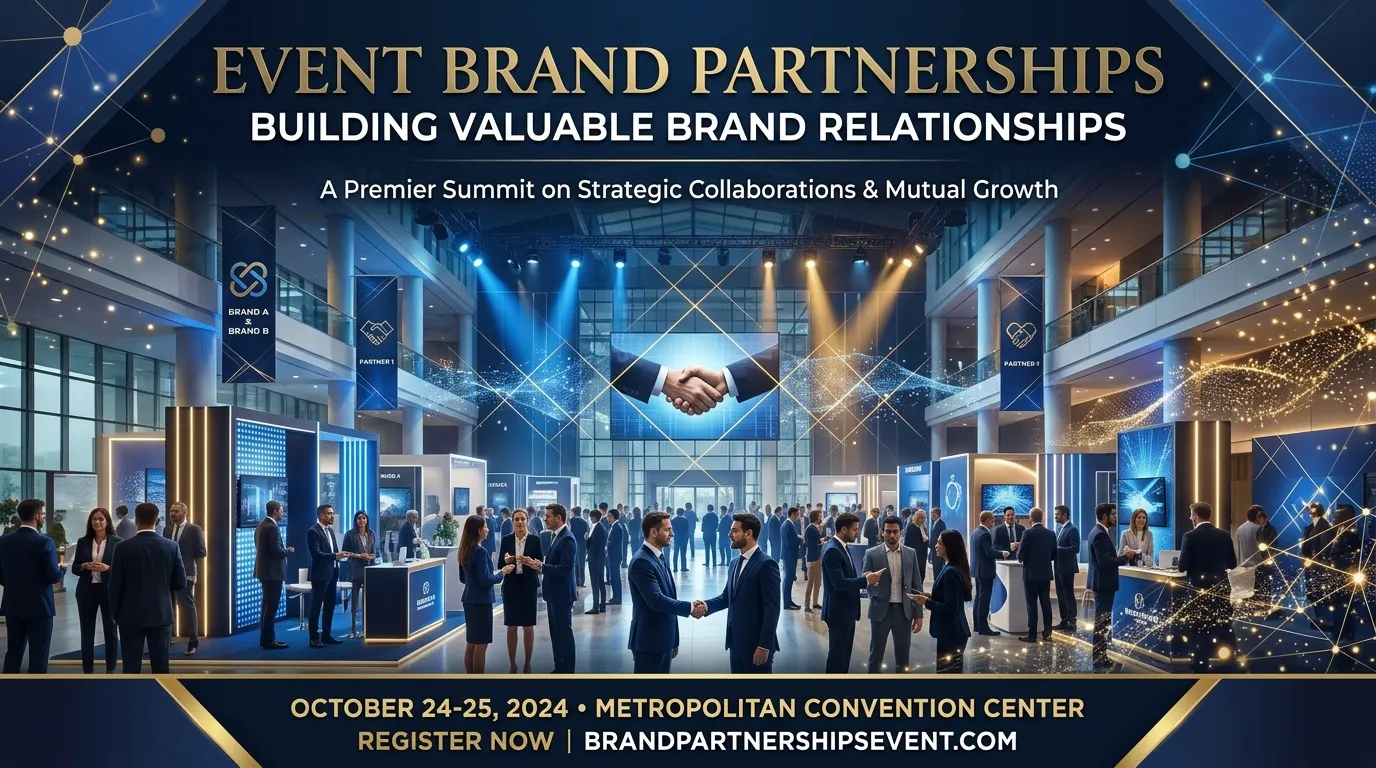
Event Brand Partnerships help organizers and businesses create mutually valuable relationships through sponsorship, collaboration, shared marketing, and audience engagement. Successful partnerships depend on brand alignment, clear objectives, meaningful activations, transparent agreements, and consistent communication. By measuring results and developing relationships beyond individual events, organizations can improve attendee experiences, strengthen brand credibility, and create lasting business opportunities.
An event can attract a large audience, create memorable experiences, and generate valuable business opportunities. However, its success often depends on more than the quality of its program or the number of people attending. The brands associated with an event can influence its credibility, financial stability, audience experience, and long-term growth.
For businesses, events provide an opportunity to connect with potential customers in an environment where people are already interested in a particular subject, industry, or experience. For organizers, working with the right companies can provide financial support, specialist resources, promotional reach, and additional value for attendees.
Event Brand Partnerships bring these interests together. They create professional relationships in which event organizers and brands collaborate around shared objectives rather than treating sponsorship as a simple financial transaction.
A successful partnership should benefit both sides while improving the experience of the audience. Whether an organization is planning a corporate conference, an industry exhibition, a community festival, or a virtual event, the right brand relationships can make the entire experience more valuable.
Why Brand Partnerships Have Become Important to Event Success
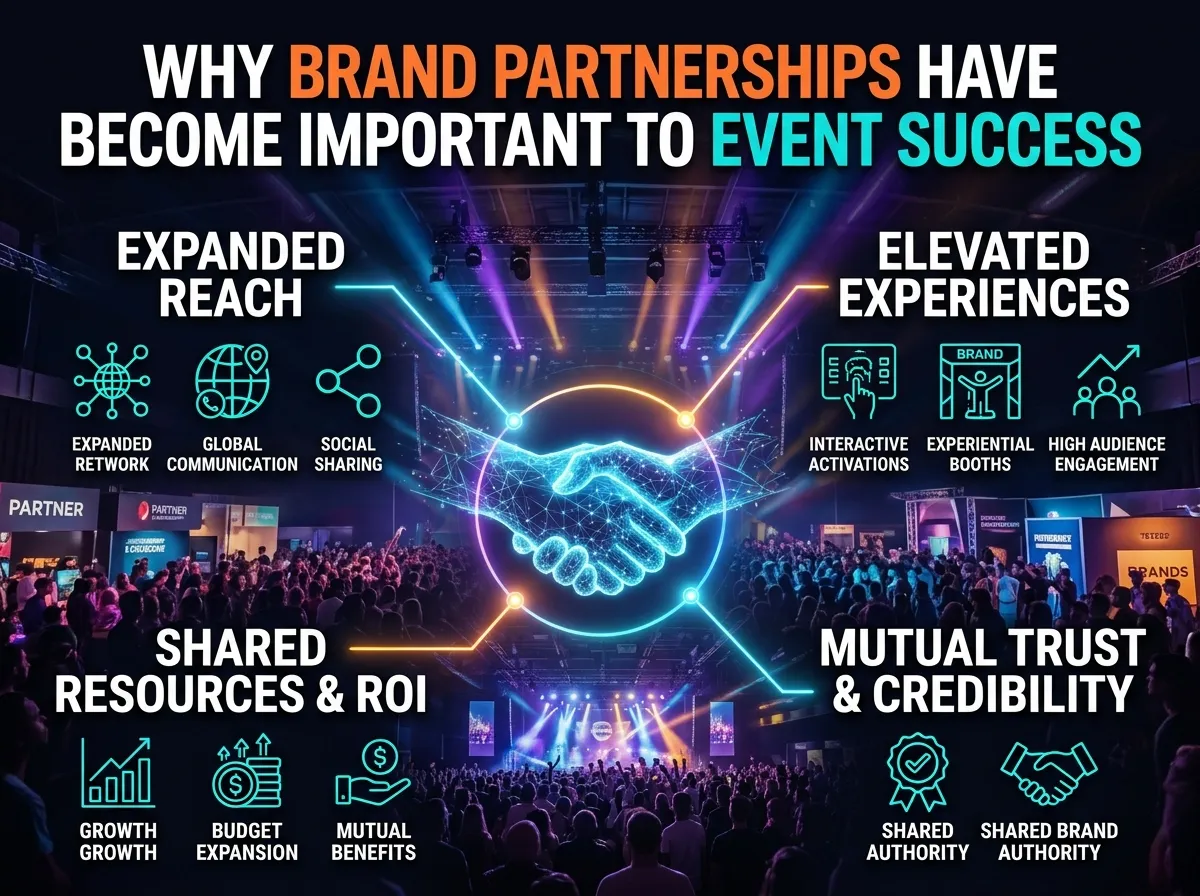
Events compete for attention, resources, and audience participation. Organizers must manage venues, production, promotion, technology, speakers, and attendee expectations. At the same time, brands are looking for meaningful ways to reach people and build stronger relationships with their target markets.
This creates a natural opportunity for collaboration.
Through Event Sponsorship Partnerships, a business may provide financial support, products, technology, or professional services in exchange for relevant exposure and engagement opportunities. An event organizer gains resources that can improve the program, while the partner receives access to an audience that may already have an interest in its products or services.
However, the strongest partnerships go beyond displaying a logo on a banner. A technology company might support an event’s digital experience, a food brand might provide refreshments, or a professional services company might contribute industry expertise. Each relationship becomes more valuable when the brand’s contribution has a clear purpose.
The key is relevance. A recognizable company may attract attention, but a less familiar brand with a strong connection to the event’s audience can sometimes provide greater value.
Choosing Partners That Fit the Event’s Identity
Not every brand belongs at every event. A partnership that looks attractive from a financial perspective may create confusion if the company’s products, values, or communication style do not match the event.
For example, a sustainability conference may benefit from partnerships with environmentally responsible businesses, renewable energy providers, or organizations supporting sustainable development. A technology exhibition, meanwhile, may find greater value in collaborating with software companies, hardware manufacturers, and digital service providers.
This is where Brand Collaboration for Events requires careful consideration. Organizers need to understand their event’s identity before approaching potential partners.
Audience expectations should be a major part of that decision. Businesses should consider the interests, professional backgrounds, purchasing behavior, and needs of the people attending. A partnership becomes more relevant when the participating brand has something useful to offer those attendees.
Brand reputation matters too. A company may have a strong market presence but still be unsuitable if its public image conflicts with the event’s positioning. Organizers should review a potential partner’s business practices, communication style, and previous collaborations before making commitments.
The goal is to establish a relationship that feels natural to the audience. When a brand genuinely belongs in the event environment, its presence can improve the experience rather than interrupt it.
Moving Beyond Sponsorship Toward Strategic Alliances
Traditional sponsorship often focuses on financial contribution and promotional visibility. While these benefits remain important, modern event relationships can involve much deeper cooperation.
Strategic Event Brand Alliances are built around shared objectives, complementary capabilities, and long-term opportunities. Instead of simply purchasing exposure, a partner may become actively involved in developing the event experience.
A technology provider, for instance, could supply registration systems, interactive displays, or networking platforms. A media company might support content distribution and audience awareness. A professional organization could contribute speakers, research, or specialist knowledge.
These arrangements allow partners to contribute something more substantial than money.
They can also create opportunities that continue after the event. Organizers and brands might collaborate on educational content, industry reports, follow-up campaigns, or future programs. Such activities help extend the value of the relationship beyond a single event date.
For businesses, a strategic alliance can provide deeper access to a relevant audience. For organizers, it can improve event quality while reducing the pressure of managing every resource independently.
The most effective alliances are based on a clear understanding of what each organization brings to the relationship and what both sides expect to achieve.
Corporate Events and the Value of Business Relationships
Corporate events offer a particularly strong environment for professional brand collaboration. Conferences, product launches, executive meetings, trade exhibitions, and industry networking programs attract audiences with specific interests and business needs.
Corporate Event Partnerships can help organizations strengthen these experiences through relevant products, services, and expertise.
A financial technology company might support a finance conference by providing a payment demonstration or expert session. A business software provider could sponsor a networking area where attendees explore practical solutions. A consulting firm might contribute research or facilitate a discussion about industry developments.
These partnerships are more effective when they contribute directly to the event’s purpose.
Corporate organizers should also consider how partnerships influence the event’s reputation. A well-matched partner can strengthen professional credibility, while an unsuitable commercial presence may make the program feel overly promotional.
This is why partnership decisions should connect with the wider event strategy. Organizations interested in improving their broader Corporate Event Marketing Best Practices can treat brand collaboration as part of their overall approach to audience engagement, business visibility, and measurable outcomes.
A corporate partnership should not exist simply because a company is willing to pay. It should contribute something meaningful to the event and its participants.
Finding Sponsorship Opportunities That Offer Real Value
For many event organizers, sponsorship is an important source of funding. It can help cover production expenses, venue costs, marketing activities, equipment, staffing, and attendee services.
However, businesses are increasingly interested in understanding what their investment actually provides. General promises of exposure are rarely enough to establish a strong commercial relationship.
Event Sponsorship Opportunities should therefore be developed around specific benefits and measurable objectives.
A sponsorship proposal might include opportunities such as:
- Visibility across event websites, registration pages, and promotional materials.
- Product demonstrations or interactive brand experiences.
- Speaking opportunities where the subject is relevant to the event.
- Sponsored networking spaces or attendee facilities.
- Access to approved audience engagement opportunities.
- Post-event content collaboration and campaign exposure.
These benefits should be connected to the sponsor’s objectives. A brand focused on awareness may value broad visibility, while a company seeking qualified business opportunities may prefer demonstrations, networking, or meaningful conversations with potential customers.
Organizers should avoid promising results they cannot control. Audience attendance, engagement, and lead quality can vary. A transparent proposal explains the available opportunities, expected delivery, measurement methods, and any limitations.
Clear expectations make sponsorship more professional and reduce the likelihood of disagreements later.
Brand Activation as Part of the Attendee Experience
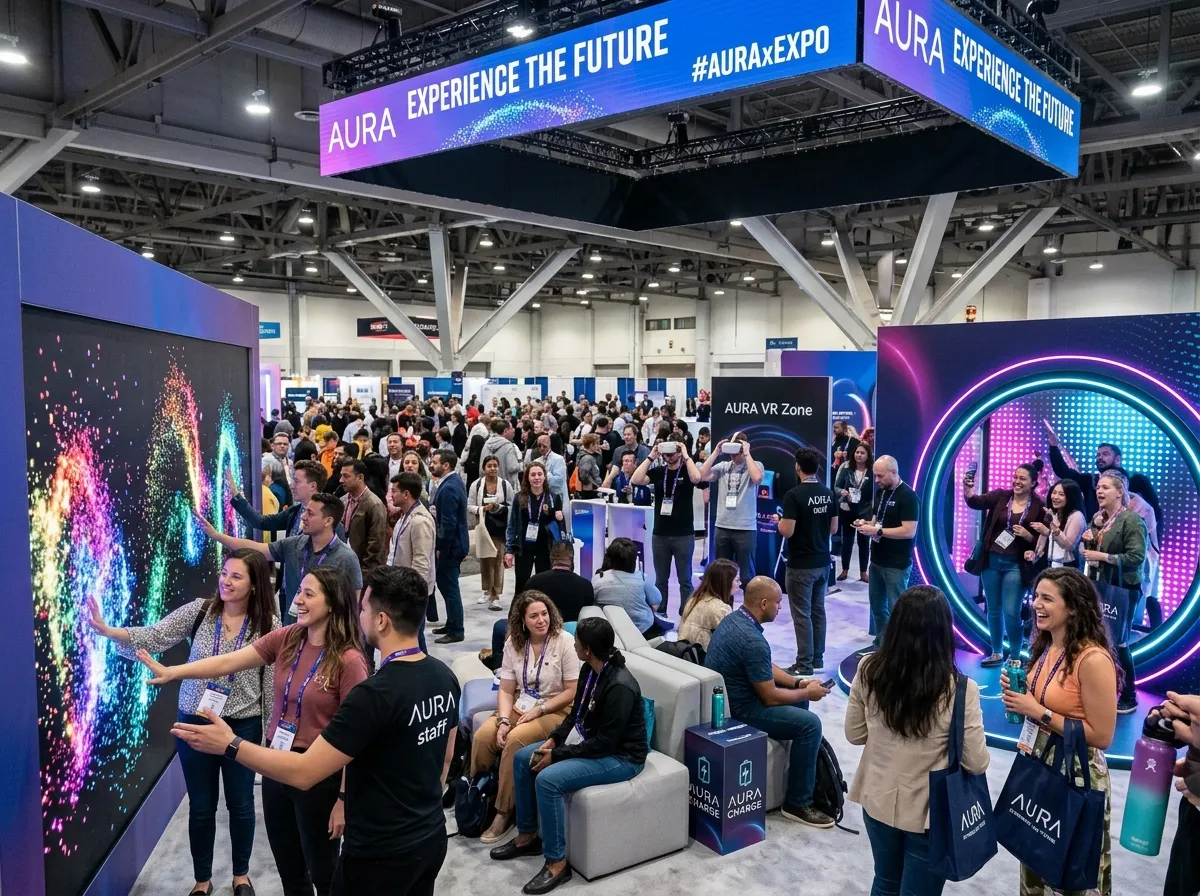
One of the biggest advantages of event partnerships is the opportunity to bring a brand into a real-world experience. Rather than communicating through advertisements alone, companies can interact with attendees through demonstrations, activities, product experiences, and useful services.
Brand Activation Partnerships are particularly valuable when the experience gives people a reason to engage.
At a fitness event, a sports brand might create a product-testing area. At a technology conference, a software company could offer a practical demonstration. During a business exhibition, a financial services provider might host a useful educational session.
The strongest activations are designed around attendee interests instead of focusing exclusively on promotional messages.
A partnership should also respect the event’s atmosphere. Too many branded activities, aggressive sales messages, or intrusive promotional materials can reduce the quality of the experience. Attendees should feel that a brand is contributing to the event rather than competing with it for attention.
Organizers can make these experiences more effective by coordinating activation areas, schedules, signage, staff responsibilities, and audience communication in advance.
When a brand offers something genuinely useful, attendees are more likely to remember the interaction and associate it with a positive experience.
How Event Marketing Collaborations Extend Audience Reach
An event’s audience is not limited to the people who attend in person. Promotional campaigns, partner networks, social media communities, email subscribers, and industry publications can introduce the event to a much wider group.
Event Marketing Collaborations allow organizers and participating brands to combine these communication resources.
For example, an event organizer may promote a conference through its website and email list, while a sponsor shares the announcement with its customers and professional network. Both organizations can create relevant content, coordinate announcements, and encourage their audiences to participate.
The value of this approach depends on audience alignment. A partner with a large but unrelated following may generate little meaningful interest. A smaller company with an established relationship with the event’s target audience may deliver stronger engagement.
Consistent communication is essential. Organizers should agree on campaign messaging, publication dates, approved visuals, and the responsibilities of each partner. This helps prevent conflicting information and makes the event easier to recognize across different channels.
The same principle applies to online events. Businesses planning digital programs can explore Virtual Event Marketing Strategies to understand how promotional activities, digital experiences, and audience communication support participation.
When partners coordinate their marketing efforts, the event benefits from broader visibility without depending entirely on the organizer’s promotional channels.
Managing Partnerships Without Damaging Brand Trust
A partnership may look successful on paper but still create problems if responsibilities are unclear or the participating brands are not properly managed.
Event Partnership Management involves coordinating expectations, deliverables, communication, approvals, and performance throughout the relationship.
The process should begin with a written agreement. Both sides need to understand what is being provided, when activities will take place, which promotional assets can be used, and how the partnership will be evaluated.
Brand permissions are especially important. Organizers and sponsors may want to use each other’s logos, photographs, videos, trademarks, and other marketing materials. These assets should not be treated as freely available simply because a partnership exists.
The parties should agree on approved uses, permitted channels, campaign periods, and any restrictions. Businesses can strengthen their understanding of these responsibilities through a review of Brand Permissions, particularly when marketing materials involve third-party intellectual property.
Communication should continue throughout the event cycle. A dedicated contact on each side can help resolve questions, coordinate updates, and ensure that agreed activities are delivered correctly.
After the event, both organizations should review the results and discuss potential improvements. A professional management process protects the relationship and creates a stronger foundation for future collaboration.
Building Business Partnerships That Continue After the Event
Some of the most valuable event relationships begin with a single sponsorship but develop into ongoing business opportunities.
Business Partnerships for Events can create long-term value when organizations discover shared interests that extend beyond the original program.
An event organizer might continue working with a technology sponsor on future conferences. A media partner could support interviews and industry content throughout the year. A professional association might collaborate with an event company on training sessions, research, or networking programs.
These opportunities are easier to develop when both sides communicate after the event rather than ending the relationship immediately after the final session.
Post-event discussions should examine what worked, which audience interactions were valuable, whether the partnership delivered its promised benefits, and what opportunities remain.
The quality of the relationship also depends on trust. Organizers should deliver agreed benefits, provide accurate performance information, and communicate challenges honestly. Sponsors should respect the event’s audience, follow agreed promotional rules, and contribute as promised.
A long-term partnership is not simply a repeated financial agreement. It is a relationship in which both organizations continue to find reasons to work together.
Measuring the Results of Event Brand Partnerships

Partnership performance should be evaluated according to the objectives established before the event. Without clear measurements, organizations may struggle to determine whether their collaboration produced meaningful value.
For an awareness-focused sponsor, useful indicators might include brand visibility, relevant audience reach, content engagement, and post-event recognition. A partner focused on business development may be more interested in qualified conversations, product demonstrations, inquiries, or agreed lead-generation outcomes.
Organizers should also evaluate the value of the contribution they received. Financial support is only one part of the picture. Technology, professional expertise, promotional reach, equipment, and attendee services may also improve the event.
A balanced review should consider both commercial and audience outcomes. Did the partnership improve the attendee experience? Were the sponsor’s activities relevant? Did the organizer deliver the agreed benefits? Were both sides satisfied with the communication and execution?
Not every result needs to be measured through immediate revenue. Some partnerships create value through reputation, industry relationships, knowledge sharing, and future opportunities.
The important thing is to select realistic indicators that reflect the purpose of the collaboration and report them transparently.
The Future of Brand Partnerships in Event Marketing
Event partnerships are becoming more connected to audience experience, content, technology, and long-term business development. Brands increasingly have opportunities to contribute expertise and useful services rather than relying only on traditional promotional placements.
Digital platforms also allow partnerships to extend beyond physical venues. Sponsors can support online sessions, interactive content, virtual networking, and post-event resources. This creates additional opportunities to maintain audience engagement before and after the main event.
At the same time, audiences are becoming more selective about the brands they interact with. Partnerships that feel unrelated or overly promotional can weaken trust, while relevant collaborations can make an event more useful and memorable.
Organizers will therefore need to focus on quality rather than simply increasing the number of sponsors. A smaller group of well-matched partners may create a better experience than a large collection of brands with limited relevance.
Ultimately, Event Brand Partnerships are most successful when they connect business objectives with genuine audience value. By selecting compatible organizations, developing meaningful activations, managing expectations, and measuring outcomes, event organizers and brands can build relationships that deliver benefits long after the event ends.
Frequently Asked Questions
1. What are Event Brand Partnerships?
Event Brand Partnerships are professional collaborations between event organizers and businesses. They may involve financial sponsorship, promotional support, products, services, technology, or shared activities that benefit both organizations and the event audience.
2. Why are brand partnerships important for events?
They can provide financial resources, increase promotional reach, improve attendee experiences, strengthen credibility, and create opportunities for long-term business relationships.
3. What is the difference between event sponsorship and a brand partnership?
Event sponsorship often focuses on financial or in-kind support in exchange for agreed benefits. A broader brand partnership may include shared marketing, event planning, content creation, product experiences, and ongoing strategic collaboration.
4. How can event organizers find suitable brand partners?
Organizers should identify their audience, event objectives, industry relevance, and potential partner categories. They can then approach companies whose products, services, and values align with the event.
5. What should an event sponsorship proposal include?
A proposal should explain the event, audience profile, partnership objectives, available sponsorship opportunities, expected deliverables, promotional benefits, timelines, pricing, and performance measurement methods.
6. What are brand activation partnerships?
Brand activation partnerships involve creating interactive experiences that connect a company with event attendees. Examples include demonstrations, product trials, educational activities, sponsored spaces, and hands-on experiences.
7. How do event marketing collaborations increase audience reach?
Partners can share event announcements and content through their own websites, email lists, social channels, and professional networks. This introduces the event to relevant audiences beyond the organizer’s existing channels.
8. Why is event partnership management important?
It helps both organizations coordinate responsibilities, manage promotional activities, track deliverables, protect brand assets, and resolve problems. Clear management also supports stronger long-term relationships.
9. How can businesses measure the success of an event partnership?
Businesses can evaluate relevant indicators such as audience engagement, brand visibility, qualified inquiries, event participation, product interactions, promotional reach, and agreed business outcomes.
10. Can event brand partnerships continue after an event ends?
Yes. Organizers and brands can continue collaborating through future events, educational content, promotional campaigns, industry research, networking programs, and other shared business activities.