

Event marketing tools help businesses plan, promote, manage, and measure events effectively. Popular options include Eventbrite, Mailchimp, Hootsuite, Zoom Events, and Google Analytics. These tools streamline registrations, improve audience engagement, automate marketing tasks, and provide valuable insights for better event outcomes.
The best tools for successful events include event management platforms like Eventbrite and Cvent, email marketing software like Mailchimp, social media schedulers like Hootsuite, and analytics tools like Google Analytics. Together, these tools help you plan, promote, and measure events while boosting attendance and engagement.
Planning an event can feel overwhelming. You have to manage registrations, send invitations, promote across channels, and track who actually shows up. Doing all of this by hand is exhausting—and it leaves too much room for mistakes. That’s where the right tools come in.
The good news? You don’t need a massive budget or a huge team to run a great event. With the right mix of software, even a solo marketer or small business can pull off a polished, well-attended gathering. From free options to enterprise-grade platforms, there’s something for every need and budget.
What Is Event Marketing and Why Do the Right Tools Matter?
Event marketing is the practice of promoting a brand, product, or service through in-person, virtual, or hybrid events. It covers everything from webinars and conferences to product launches and trade shows. The goal is to create memorable experiences that build relationships and drive action.
The right tools matter because events have many moving parts. You’re juggling deadlines, audiences, budgets, and data all at once. Quality software automates the repetitive work, keeps your team aligned, and gives you clear numbers to measure success. Without good tools, even a brilliant idea can fall flat due to poor execution.
Using proven tools for successful events also saves you time and money. Automation handles tasks like sending reminder emails or processing payments, freeing you to focus on strategy. And with built-in reporting, you can see exactly what’s working—so your next event performs even better.
What Are the Best Tools for Event Marketing?

There’s no single tool that does everything well. Instead, most marketers build a stack of specialized software. Below, we break down the essential categories and the top tools for successful events in each one.
Event Management and Registration Platforms
These platforms are the backbone of any event. They handle registration, ticketing, attendee management, and often promotion too.
- Eventbrite — A popular choice for events of all sizes. It makes ticketing and registration simple and includes built-in promotion features. Great for both free and paid events.
- Cvent — A robust, enterprise-level platform built for large conferences and corporate events. It offers deep features for venue sourcing, attendee tracking, and reporting.
- Splash — Known for beautiful, branded event pages. Splash is ideal for marketers who want polished landing pages without coding.
- RSVPify — A flexible option for managing guest lists, invitations, and check-ins, especially for private or smaller gatherings.
These platforms shine because they centralize the core logistics. Instead of tracking sign-ups in a spreadsheet, you get a single dashboard for everything.
Email Marketing Tools
Email remains one of the highest-performing channels for event promotion. The right email software helps you invite, remind, and follow up with your audience.
- Mailchimp — Beginner-friendly with strong automation and templates. Perfect for small businesses sending invitations and reminders.
- Constant Contact — Offers event-specific features like RSVP tracking inside your email campaigns.
- HubSpot — A full marketing platform with powerful email tools, ideal if you want to connect events to your wider CRM and sales pipeline.
A smart email sequence—save the date, invitation, reminder, and thank-you—can dramatically lift attendance rates.
Social Media and Promotion Tools
Social media spreads the word fast. Scheduling and management tools let you plan campaigns and engage your audience in real time.
- Hootsuite — Schedule and manage posts across multiple platforms from one dashboard. Excellent for coordinating a full promotion calendar.
- Buffer — A simpler, affordable scheduler that’s great for small teams and solo marketers.
- Canva — Create eye-catching graphics, flyers, and social posts without design skills. A must-have for visual promotion.
Pairing scheduling tools with creative design software ensures your event looks professional everywhere it appears.
Virtual and Hybrid Event Platforms
With virtual and hybrid events now common, dedicated streaming and engagement platforms are essential tools for successful events.
- Zoom Events — Reliable video for webinars and virtual conferences, with networking and registration features.
- Hopin — Built specifically for virtual and hybrid events, with virtual booths, stages, and networking rooms.
- Airmeet — Strong on interactive features like speed networking and live Q&A, ideal for community-driven events.
These platforms recreate the energy of in-person gatherings online, helping you reach a global audience.
Analytics and Measurement Tools
You can’t improve what you don’t measure. Analytics tools tell you which efforts paid off and where to focus next.
- Google Analytics — Track website traffic, registration page conversions, and where your attendees came from. Free and powerful.
- Eventbrite Reports — Built-in analytics that show ticket sales, traffic sources, and attendee trends.
- Hotjar — See how visitors interact with your event landing page so you can fix friction points.
Good measurement turns each event into a learning opportunity, sharpening your strategy over time.
How Do Event Marketing Tools Improve Attendance?
The right tools boost attendance in several practical ways. First, they make registration effortless. A clunky sign-up form scares people away, while a smooth one keeps them moving forward.
Second, automated reminders reduce no-shows. Many people register and then forget. A well-timed email or text reminder keeps your event top of mind and gets more people through the door.
Third, promotion tools widen your reach. By scheduling content across social channels and segmenting your email lists, you put your event in front of the right people at the right time. More visibility means more sign-ups.
Finally, analytics help you target better. When you see which channels drive the most registrations, you can double down on what works and stop wasting effort on what doesn’t.
How to Choose the Right Event Marketing Tools
Picking the right software depends on your goals, budget, and team size. Here’s a simple framework to guide your decision.
Start with your event type. A small webinar has very different needs than a 500-person conference. Match the tool to the scale and format of your event.
Set a budget. Many tools offer free tiers that work well for beginners. Choose paid plans only when you need advanced features like deeper automation or larger attendee limits.
Check integrations. Your tools should talk to each other. Look for software that connects with your CRM, email platform, and payment processor to avoid manual data entry.
Prioritize ease of use. A powerful tool is useless if your team can’t figure it out. Test free trials before you commit, and pick options with strong support and tutorials.
Think about reporting. Choose tools that give you clear, actionable data. Measurement is what turns one good event into a series of even better ones.
A Quick Comparison Table
|
Tool Category |
Best Free Option |
Best for Small Business |
Best for Enterprise |
|---|---|---|---|
|
Registration |
Eventbrite (free events) |
Eventbrite |
Cvent |
|
Email Marketing |
Mailchimp (free tier) |
Constant Contact |
HubSpot |
|
Social Promotion |
Buffer (free plan) |
Buffer |
Hootsuite |
|
Virtual Events |
Zoom (basic) |
Airmeet |
Hopin |
|
Analytics |
Google Analytics |
Hotjar |
Cvent Reports |
This table makes it easy to spot the right fit based on your size and budget.
Free Event Marketing Tools for Small Businesses
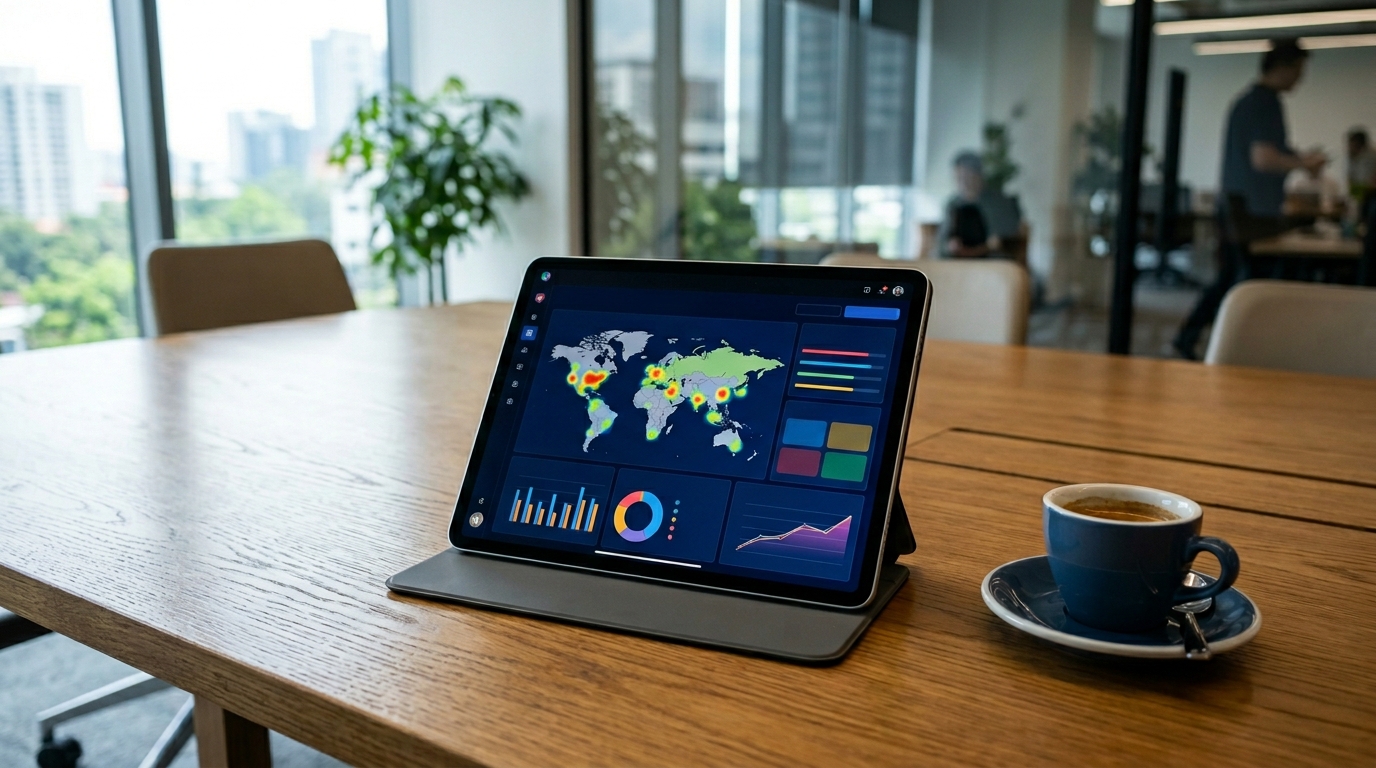
Running an event on a tight budget? You can still access excellent tools for successful events without spending a cent. Here are some standout free options:
- Eventbrite — Free for free events, with full registration and promotion features.
- Mailchimp — Free tier supports up to a few thousand contacts, perfect for early-stage invitations.
- Canva — A generous free plan for creating professional event graphics.
- Google Analytics — Completely free, with deep insights into your traffic and conversions.
- Buffer — Free plan lets you schedule posts across a few social channels.
For small businesses and solo marketers, combining these free tools creates a surprisingly powerful event marketing stack. You can always upgrade as your events grow.
Bringing Your Event Marketing Stack Together
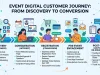
The secret to successful events isn’t finding one magic tool—it’s combining the right tools into a smooth workflow. Use a registration platform to manage sign-ups, email software to nurture your audience, social schedulers to spread the word, and analytics to measure it all.
Start small. Pick one tool from each essential category, test it on your next event, and refine from there. As your events grow in size and complexity, you can add more advanced software to your stack. The tools for successful events you choose today will set the foundation for every event you run tomorrow.
Ready to level up? Audit your current process, identify your biggest gaps, and try a free trial of one new tool this month. Small upgrades add up to big results.




[…] channels. Businesses that want to understand the broader technology ecosystem can explore What Tools Are Used for Event Marketing for additional insights into tools that can support event promotion and […]