Event launch promotion helps businesses create awareness, generate excitement, and encourage people to register for a new event. A strong promotion plan combines social media, email, content, partnerships, paid advertising, early announcements, and audience engagement to build momentum before the event begins. By using the right channels and measuring performance, businesses can turn an event launch into a successful marketing opportunity.
Launching a new event requires more than simply announcing the date, location, and registration link. People need a reason to care about the event before they decide to attend. This is why event launch promotion plays an important role in building awareness, attracting the right audience, and increasing registrations.
Whether the event is a conference, webinar, workshop, networking session, product launch, trade show, or virtual experience, promotion should begin well before the event date. Early communication gives potential attendees enough time to understand the value of the event, explore the agenda, and decide whether it is worth their time.
A successful event launch marketing strategy connects the event with the interests and needs of its target audience. Instead of relying on one promotional channel, businesses can combine social media, email marketing, search engine optimization, partnerships, paid advertising, content, and direct communication. This creates multiple opportunities for potential attendees to discover and interact with the event.
Why Event Launch Promotion Matters
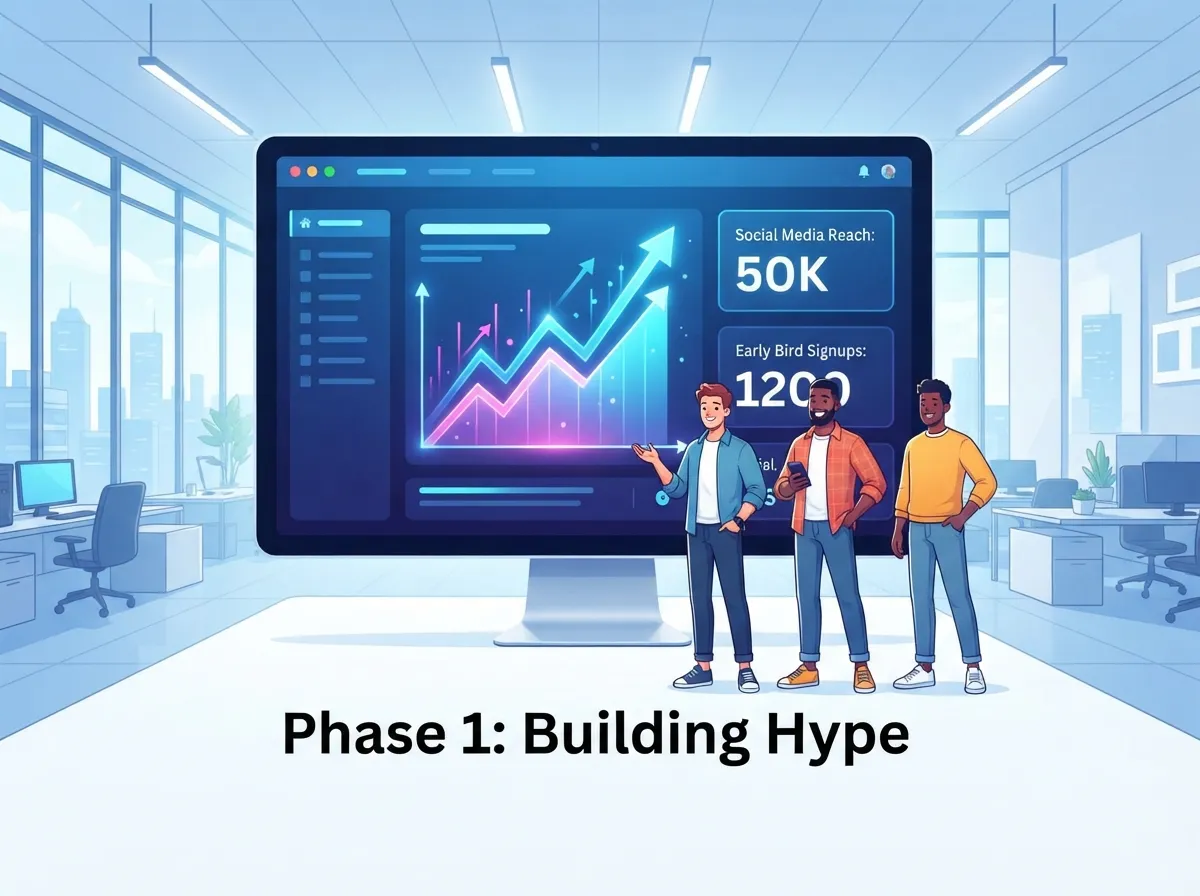
A well-planned event launch promotion strategy can influence how people perceive an event before they attend it. Strong promotion creates anticipation, communicates value, and gives potential attendees clear reasons to register.
An event may have excellent speakers, valuable sessions, or an attractive venue, but these benefits have little impact if the target audience does not know about them. Promotion bridges that gap by bringing the event in front of potential attendees through channels they already use.
Promotion also gives organizers an opportunity to build momentum gradually. Instead of making one announcement and hoping people respond, businesses can introduce the event, reveal important details, share speakers or activities, highlight benefits, and remind audiences as registration deadlines approach.
Build a Strong Event Launch Marketing Campaign
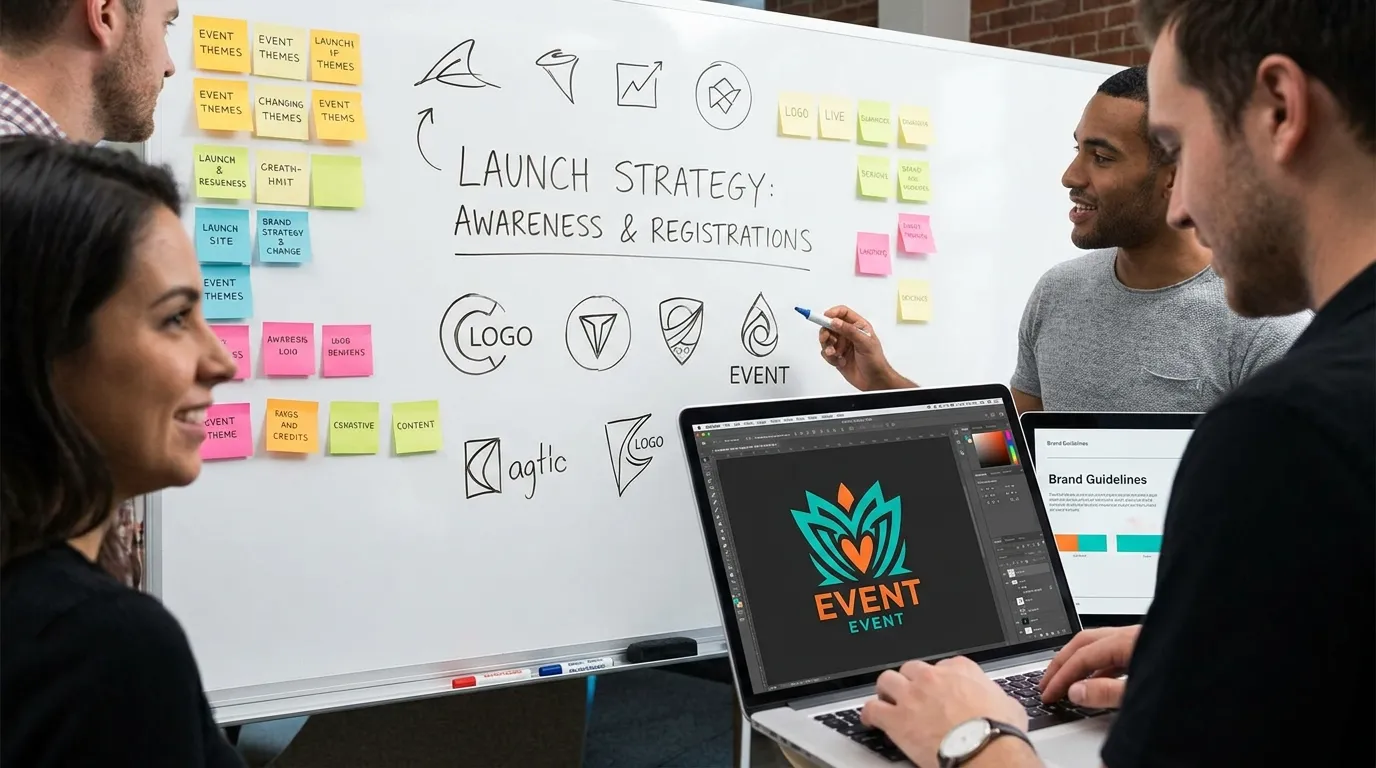
A successful event launch marketing campaign should begin with a clear understanding of the event’s audience and purpose. Before creating promotional content, determine who the event is designed for and what attendees should gain from participating.
The campaign should communicate a simple and compelling value proposition. Instead of only saying that an event is happening, explain why people should attend. This could include opportunities to learn from industry experts, discover new solutions, meet professionals, experience a product, or participate in valuable discussions.
The messaging should remain consistent across the event website, social media posts, emails, advertisements, and other promotional materials. Consistent messaging makes the event easier to recognize and helps establish credibility.
Create New Event Promotion Ideas
Businesses can experiment with different new event promotion ideas to keep their campaigns interesting. A simple announcement may generate initial awareness, but creative content can maintain attention over a longer period.
Speaker introductions are one effective approach. Introducing speakers individually allows organizers to highlight their expertise and explain what attendees can expect from their sessions. Behind-the-scenes content can also make an event feel more personal by showing preparation, venue setup, team activities, or event planning moments.
Short videos can create another layer of engagement. A speaker invitation, event teaser, previous attendee testimonial, or short preview of an upcoming session can communicate the event’s value quickly.
Businesses can also create countdown content as the event approaches. Messages such as “30 days to go,” “one week remaining,” or “registration closes soon” can encourage people who are interested but have not yet registered to take action.
Develop an Effective Event Announcement Strategy
An event announcement strategy should introduce the event in stages rather than communicating everything at once. The first announcement should provide enough information to generate interest while encouraging people to learn more.
The initial announcement can include the event name, date, general theme, location or online format, and registration information. Later announcements can reveal speakers, session topics, special activities, sponsors, attendee benefits, and other important details.
Email is particularly useful for announcements because it allows businesses to communicate directly with an existing audience. A launch email can introduce the event and provide a clear registration call to action.
Social media should support the announcement with visually appealing posts, short videos, speaker content, questions, polls, and reminders. Using multiple content formats gives audiences different ways to interact with the event.
Use Event Launch Advertising Strategically
Event launch advertising can help expand reach beyond an organization’s existing audience. Paid advertising can be useful when the event needs to attract people who have not previously interacted with the brand.
Social media advertising can target audiences based on interests, professional characteristics, behaviors, or previous interactions. Search advertising can help capture people actively looking for conferences, workshops, webinars, or similar events.
The advertising message should focus on the event’s strongest benefit rather than simply repeating basic event information. A clear headline, compelling value proposition, strong visual, and simple call to action can make the advertisement more effective.
Retargeting can also be valuable. People who visited an event page but did not register may need additional reminders before making a decision. Retargeting advertisements can bring them back to the registration page while the event is still relevant.
Start With a Pre-Event Promotion Strategy
A strong pre-event promotion strategy creates momentum before the event takes place. Starting early gives organizers more opportunities to reach potential attendees and allows the audience to become familiar with the event.
Early promotion can focus on awareness. At this stage, businesses can introduce the event and explain why it matters. As the event approaches, communication can become more specific by highlighting speakers, sessions, activities, benefits, and registration deadlines.
Content can also be used during the pre-event period. Blog posts, videos, interviews, social media discussions, email newsletters, and educational content can connect the event with topics that matter to the target audience.
The goal is to make the event part of the audience’s conversation before the actual event date arrives.
Build an Event Awareness Campaign

An event awareness campaign should make it easy for people to understand what the event is, who it is for, and why they should participate. Awareness is particularly important when launching an event for the first time because the audience may not already recognize the event name.
Social media can provide broad exposure, while email can nurture people who already know the organization. Search-optimized content can attract people researching related topics, and partnerships can introduce the event to new communities.
Attendee testimonials can also strengthen awareness. When previous participants share their experiences, potential attendees can better understand what they may gain from participating.
Improve Event Registration Promotion
Creating awareness is only the first stage. Businesses also need effective event registration promotion to turn interest into confirmed attendees.
The registration process should be simple and easy to understand. Visitors should quickly find essential information such as the event date, location, agenda, speakers, pricing, and registration button.
Promotional messages should create a sense of value without overwhelming the audience. For example, registration campaigns can emphasize limited seats, early-bird pricing, exclusive access, special sessions, or other genuine benefits.
Email reminders can be especially useful for people who showed interest but have not completed registration. Different messages can be used at different stages, from the initial invitation to the final registration reminder.
Use Digital Event Launch Marketing
Digital event launch marketing makes it possible to promote an event across multiple online channels while measuring audience behavior. This makes digital promotion particularly useful for businesses that want to understand which channels generate the most interest and registrations.
Social media, search engines, email, websites, online communities, influencers, paid advertising, and content marketing can all contribute to the launch. Each channel can serve a different purpose.
For example, social media can generate awareness and conversations, email can nurture interested audiences, search can capture active interest, and paid advertising can extend reach. The event website then becomes the central destination where people can learn more and register.
For virtual and hybrid events, technology becomes an additional part of the promotional experience. Organizers can explore Virtual Event Production to understand how professional production can improve the quality and experience of online events.
Use the Right Event Marketing Tools
Technology can make promotion more organized and measurable. Event marketers can use email platforms, social media management tools, analytics platforms, registration software, advertising platforms, customer relationship management systems, and content management tools.
Choosing the right tools depends on the event’s size, audience, budget, and promotional channels. Businesses that want to understand the broader technology ecosystem can explore What Tools Are Used for Event Marketing for additional insights into tools that can support event promotion and management.
The important point is not to use every available tool. Instead, businesses should select technologies that solve specific marketing needs and make the promotional process easier to manage.
Connect Promotion With the Full Event Journey
Event launch promotion should not operate separately from the rest of the event marketing process. Awareness, registration, communication, attendance, engagement, and follow-up should work together.
A strong campaign can guide audiences from the first announcement through registration and eventually into post-event communication. This creates a smoother experience and gives organizers more opportunities to build relationships with attendees.
Businesses can also learn from a broader Event Marketing from Start to Finish approach to understand how planning, promotion, execution, and measurement can work together throughout the event lifecycle.
Work With Sponsors and Partners
Sponsors and strategic partners can expand an event’s promotional reach. They may already have audiences that match the event’s target market, giving organizers an opportunity to reach potential attendees through trusted channels.
Sponsors can promote the event through their websites, newsletters, social media profiles, customer communities, or professional networks. In return, they may receive brand visibility, access to relevant audiences, or other agreed benefits.
A clear partnership structure is important. Organizers should define promotional responsibilities, timelines, messaging requirements, and audience expectations before the campaign begins. Businesses seeking additional ideas can explore How to Attract Sponsors for an Event for strategies related to securing event partnerships.
Measure Event Launch Promotion Results
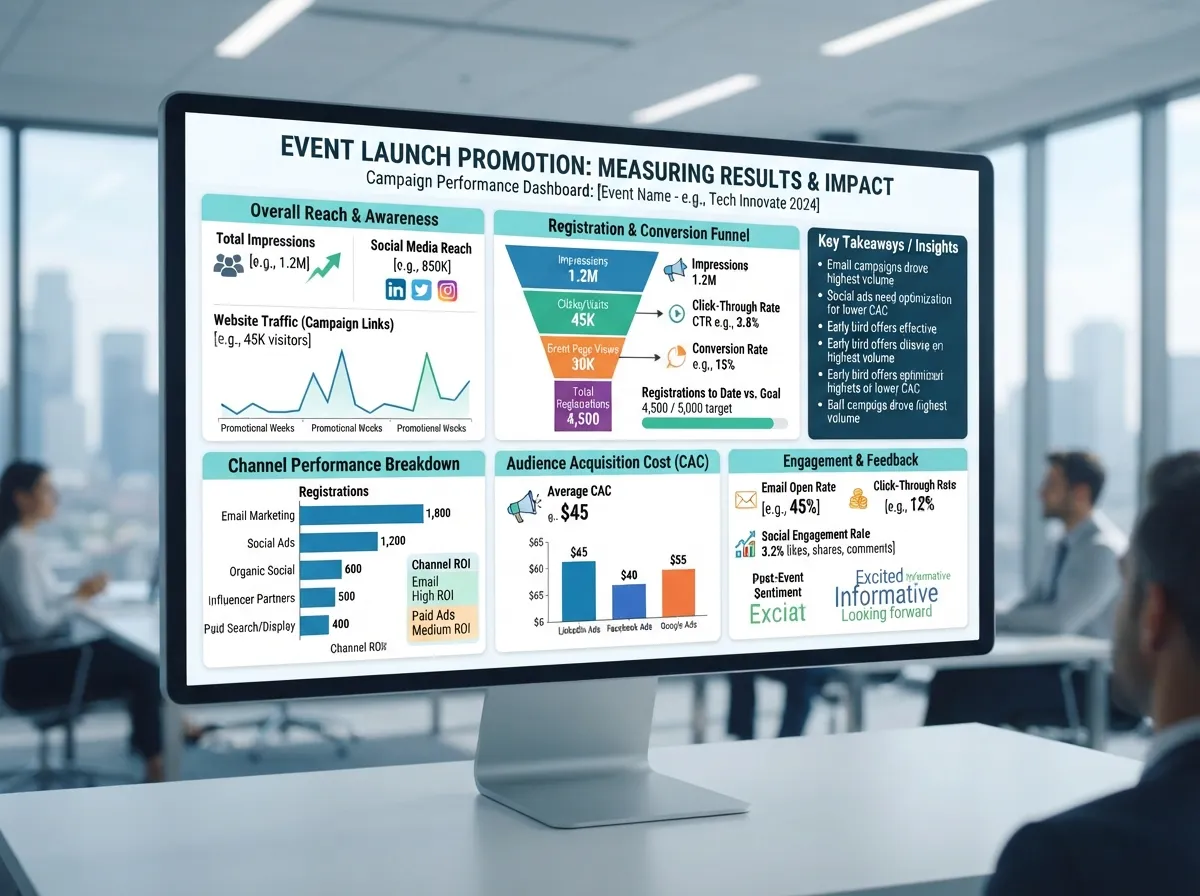
Measurement helps organizers understand whether their promotion is working. Important metrics can include website traffic, social media engagement, email open and click rates, advertising performance, registration numbers, conversion rates, and cost per registration.
It is also useful to identify which promotional channels generate the most valuable attendees. A channel may produce a large amount of traffic but very few registrations, while another may generate fewer visitors but a much higher conversion rate.
Reviewing these results during the campaign allows marketers to make adjustments instead of waiting until the event is over. Strong-performing channels can receive more attention, while weak campaigns can be modified or replaced.
Conclusion
Effective event launch promotion requires consistent communication, strong messaging, creative content, and a clear understanding of the target audience. Rather than relying on one announcement, businesses can build momentum through a combination of social media, email marketing, content, paid advertising, partnerships, and digital engagement.
A successful launch also connects awareness with registration. When audiences understand the value of an event and receive timely reasons to participate, they are more likely to move from interest to action. By planning promotion early, using appropriate marketing tools, creating engaging content, and measuring results, businesses can give new events a stronger opportunity to attract attention and achieve their registration goals.
Frequently Asked Questions
1. What is event launch promotion?
Event launch promotion is the process of creating awareness and generating interest in an upcoming event. It can include social media marketing, email campaigns, advertising, content marketing, partnerships, search optimization, and other promotional activities.
2. When should event launch promotion begin?
Promotion should ideally begin several weeks or months before the event, depending on its size and audience. Larger conferences and major events may require longer promotional periods, while smaller webinars or workshops can often be promoted within a shorter timeframe.
3. What is the best strategy for promoting a new event?
The best strategy combines several channels rather than depending on one platform. Social media, email marketing, content, paid advertising, partnerships, and event websites can work together to create awareness and drive registrations.
4. How can social media promote an event launch?
Social media can be used to announce the event, introduce speakers, share videos, publish countdown posts, highlight benefits, answer questions, and create conversations with potential attendees.
5. How can email help with event promotion?
Email allows organizers to communicate directly with interested audiences. Businesses can use email to announce the event, share updates, promote registration, provide reminders, and encourage people who have not completed registration to take action.
6. What are some new event promotion ideas?
Speaker videos, behind-the-scenes content, attendee testimonials, countdown campaigns, interactive polls, short event teasers, referral campaigns, and partner promotions can provide fresh ways to promote an event.
7. Is paid advertising useful for event launches?
Yes. Paid advertising can help events reach audiences beyond their existing followers and subscribers. Targeted campaigns can be especially useful when organizers want to reach specific geographic, professional, or interest-based audiences.
8. How can businesses increase event registrations?
Businesses can improve registrations by communicating the event’s value clearly, simplifying the registration process, using strong calls to action, promoting genuine benefits, sending reminders, and retargeting interested visitors who have not registered.
9. How can sponsors help promote an event?
Sponsors can introduce the event to their own audiences through newsletters, websites, social media, communities, and professional networks. This can increase reach while providing sponsors with valuable visibility among relevant attendees.
10. How can event promotion performance be measured?
Event promotion can be measured using metrics such as website traffic, registrations, conversion rates, email engagement, social media engagement, advertising results, cost per registration, and attendance rates.